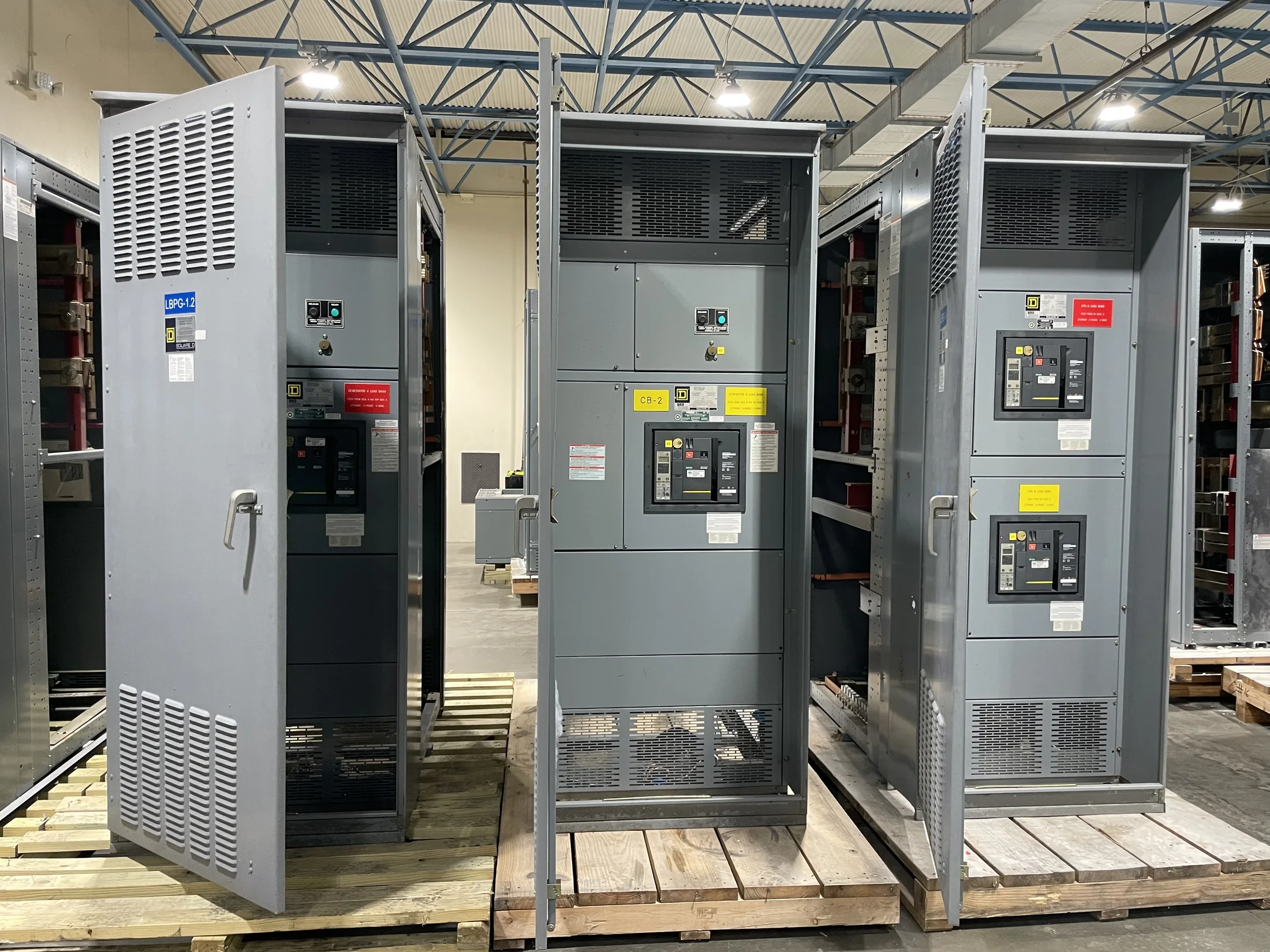
Begin with the project and purchasing scope
Identify the project location, facility type, application, and requested equipment quantity. Note whether this is a new installation, an expansion, or replacement within an active project; this helps frame interfaces and schedule questions without assuming existing equipment is being purchased or evaluated for resale.
Describe what you want included in the quotation: equipment, factory assembly, drawings, documentation, and any requested coordination with other suppliers. List the desired quotation date, bid deadline, delivery destination, and known milestones. If requirements are still developing, mark them as provisional rather than presenting assumptions as approved design criteria.
Identify the equipment class and system role
State whether the request concerns a low-voltage switchboard, low-voltage switchgear, or medium-voltage equipment, and describe its role in the distribution system. UL 891 applies to switchboards; UL 1558 applies to low-voltage switchgear. Neither designation should be treated as a blanket specification for medium-voltage equipment.
Include nominal system voltage, phase, frequency, grounding arrangement, and the source feeding the assembly. Identify whether it serves as service equipment, a distribution lineup, generator paralleling interface, or another function. The responsible engineer should confirm the equipment class and applicable codes with the utility and authority having jurisdiction where relevant.
Provide ratings and available fault information
Send the required continuous current, bus ratings if specified, and the available short-circuit current at the proposed connection point. Include the source transformer data, impedance, and upstream protective-device information when available. These details help assess interrupting and withstand requirements; they do not establish a rating until the design basis is reviewed.
Clarify whether the specification calls for a short-circuit current rating, a short-time withstand rating, or both, and identify the governing study or coordination basis. If fault-current or protection data are pending, say so and provide the expected source conditions. Do not infer equipment capability from voltage or ampacity alone.
Describe the lineup and circuit schedule
Attach a one-line diagram and preliminary equipment layout, even if marked for quotation. Provide a circuit schedule showing breaker or switch functions, frame or trip requirements if known, feeder destinations, and spare or future positions. Identify main-tie-main arrangements, multiple sources, and transfer or interlocking functions that affect the lineup.
For each feeder, indicate load type, estimated or calculated demand, conductor entry, and any special protection or metering needs. Call out motor loads, transformers, capacitor banks, sensitive electronic loads, or other operating characteristics that may affect configuration. Label unknown values for engineering confirmation instead of allowing them to be silently assumed.
Capture installation and environmental constraints
Give available room dimensions, access routes, floor and anchorage constraints, and required working clearances from the project documents. Note whether the equipment is indoors or outdoors and identify ambient temperature, altitude, moisture, dust, corrosive exposure, or seismic criteria when specified. These conditions can influence enclosure and construction decisions, subject to design review.
Specify cable entry direction, conduit or busway interfaces, connection locations, and whether a top or bottom arrangement is preferred or required. Include site limitations for moving sections into the electrical room and any known ceiling or door restrictions. Confirm dimensions and installation conditions with the project team before treating preliminary drawings as final.
List control, monitoring, and accessory needs
Describe control power sources, protective relaying, metering, communications, alarms, and remote operation requirements. Name preferred protocols or interfaces only when the project documents establish them, and provide relevant control diagrams or points lists. State whether coordination with a building management system, generator controller, or utility scheme is part of the requested scope.
Identify requested accessories such as ground-fault functions, surge protective devices, arc-energy reduction features, or specific test and maintenance provisions. These are application-dependent and should be confirmed against the specification, system study, and applicable requirements. Distinguish mandatory requirements from preferences, and flag features that remain under engineer review.
Attach specifications and mark exceptions
Include the electrical specification, one-line, schedules, controls documents, and any relevant site or interface drawings. Identify the governing edition of applicable codes and standards if the project documents specify one. A clear document list, revision date, and drawing status help prevent a quote from relying on conflicting or superseded information.
Tell the manufacturer how to present deviations, options, and unanswered questions. If a requirement is unclear or appears inconsistent with another document, point it out rather than resolving it by assumption. The quotation can then identify its stated basis and open items for review, while the responsible engineer determines final design acceptance.
Confirm commercial and delivery assumptions
Provide the requested delivery location, receiving limitations, preferred shipping approach if known, and any site access or unloading requirements. State whether the quote should include freight, installation, startup, or field services; availability and scope must be confirmed for the particular project. U.S. manufacturing, domestic components, custom fabrication, short lead times, and nationwide shipping are part of our approach; the quote defines the specific project scope and schedule.
Ask for the quotation validity period, payment terms, submittal expectations, and any required documentation or packaging conditions. Include the customer contact responsible for technical questions and the procurement contact for commercial matters. Before release for manufacture, have the responsible engineer review the final proposal, drawings, ratings, and interfaces; coordinate with the utility and AHJ where applicable.