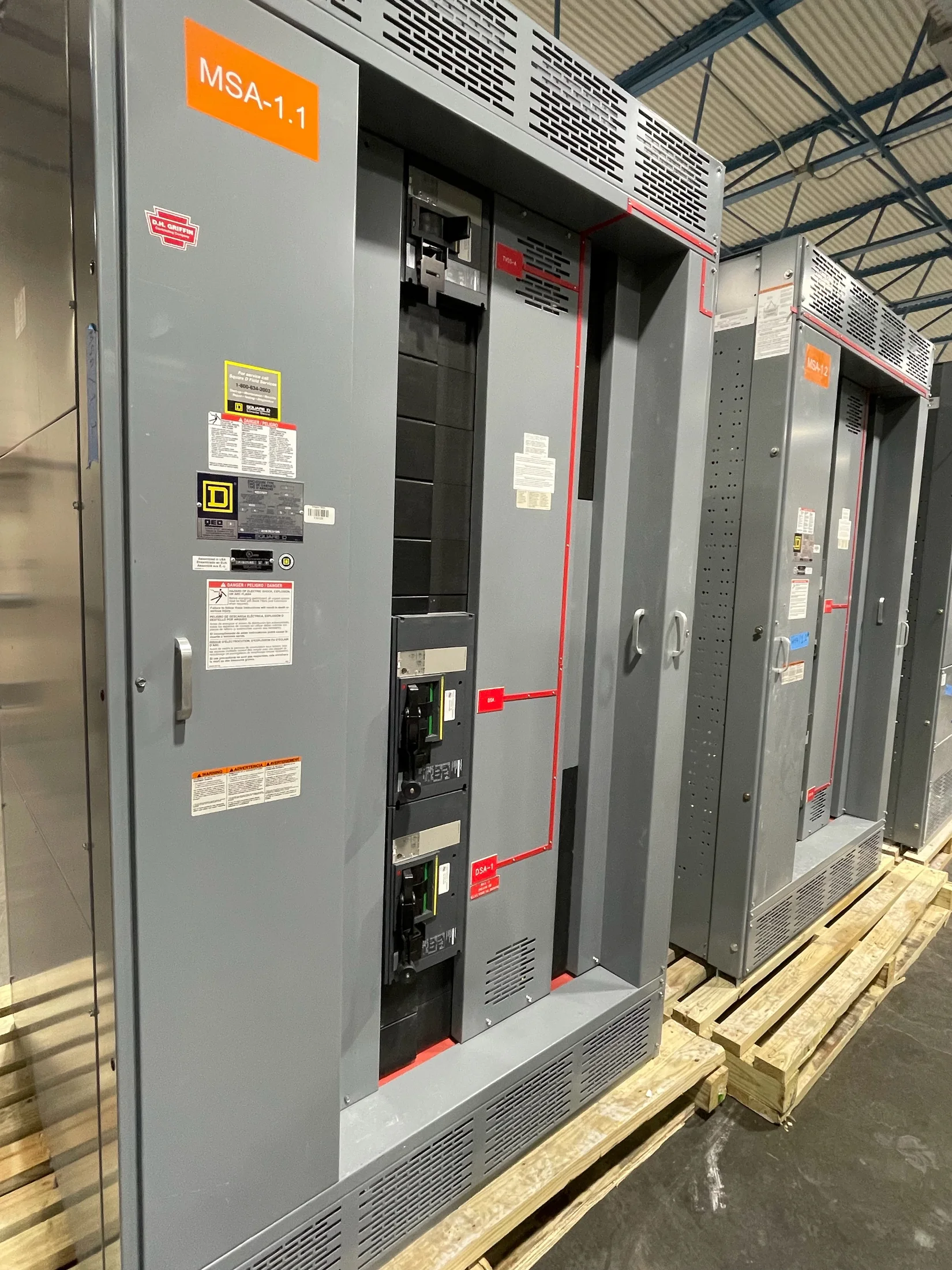
Use an Allowance to Guide Early Decisions
A budgetary estimate helps an owner compare project options before drawings and equipment schedules are complete. It can support capital planning, preliminary scope decisions, and coordination with contractors. Treat it as an early planning allowance, not a purchase commitment or a substitute for a project-specific equipment quotation.
At this stage, clarify what the allowance includes: the switchgear or switchboard assembly, specified incoming and feeder sections, controls, and any identified accessories. Installation, field wiring, commissioning, freight, taxes, and site work may be outside the equipment estimate. State assumptions and exclusions so the project team can compare numbers consistently.
Separate Known Inputs from Open Questions
Early projects often have a one-line diagram but lack final load data, fault-current calculations, room plans, or a complete feeder schedule. Share what is available and label unresolved values rather than treating estimates as approved design inputs. The manufacturer can use stated assumptions to frame a preliminary scope for discussion.
A useful request identifies the project location, application, expected procurement timing, and whether the equipment is new construction or a replacement installation. Note who is preparing the electrical design and which decisions remain pending. This context helps distinguish an allowance based on preliminary criteria from pricing built around released drawings.
Identify the Equipment Class Before Comparing Costs
The term switchgear is used broadly, but equipment classifications are not interchangeable. A low-voltage distribution project may call for a UL 891 switchboard or UL 1558 low-voltage switchgear, depending on design requirements and applicable criteria. Medium-voltage equipment is a separate category; UL 891 does not cover medium- or high-voltage equipment.
Ask the responsible electrical engineer to establish the required equipment type, nominal voltage, phase, frequency, and system configuration. Do not infer a classification from a project nickname or an existing installation. These choices affect arrangement, components, space needs, and the basis of pricing, so unresolved classifications should be explicit in an allowance.
Describe the Electrical and Physical Scope
Provide available information on bus ratings, main and feeder devices, feeder quantities, protective functions, metering, control power, and specified accessories. If ratings or device types are not finalized, identify the current design basis and alternatives under consideration. Changes to the lineup or protection scope can change material, engineering, and fabrication requirements.
Physical constraints also matter. Share room dimensions, access routes, working-space assumptions, cable entry preferences, environmental conditions, and any known seismic or special project criteria. These details may be preliminary, but they help expose coordination questions early. The responsible engineer should verify layout and installation requirements against codes, drawings, and site conditions.
Understand What Makes Pricing Budgetary
Budgetary pricing is based on the information and assumptions available when it is prepared. It may use preliminary quantities, typical arrangements, or stated allowances for unresolved items. It is intended to inform planning; it should not be read as confirmation that every component, rating, interface, or delivery condition has been finalized.
A firm quotation requires a sufficiently defined scope to identify the equipment being offered and the commercial basis for supply. It can still be subject to stated validity, exclusions, and project clarifications. Compare an estimate and a quotation only after checking their scope, assumptions, included accessories, shipping basis, and treatment of later design changes.
Recognize the Constraints That Can Shift an Allowance
Available fault current, coordination requirements, utility service characteristics, and protective-device choices may influence the equipment design. So can the number and arrangement of sections, specialized metering or controls, and interface requirements with other systems. Where these inputs are not confirmed, list them as open items rather than relying on an unstated default.
Supply conditions and schedule assumptions can also affect a planning figure. Identify the requested ship-to location, target need date, and whether phased delivery or unusual packaging is being considered. Short lead times may be available depending on scope and current production conditions, but timing must be confirmed against the completed design and order requirements.
Prepare a Request That Can Mature into a Quote
Send the latest one-line diagram, equipment schedule, project specifications, and relevant room or site drawings, even if some are marked preliminary. Include known ratings, device quantities, required standards, and requested options. A concise list of deviations or unanswered questions is more useful than leaving conflicting documents unexplained.
Ask the supplier to identify the estimate’s design basis, exclusions, and information still needed for firm pricing. When revisions follow, mark the latest drawing issue and summarize what changed. This creates a traceable path from early allowance to quotation and helps the project team identify scope growth before procurement.
Confirm Design Responsibility Before Purchase
A manufacturer can build new equipment to an agreed project specification, but the estimate does not establish that the preliminary design is suitable for a particular facility. The responsible engineer should confirm system ratings, protection, coordination, applicable codes, and interfaces. Utility requirements and the authority having jurisdiction should be consulted where applicable.
U.S.-built equipment using American components and custom fabrication can support projects in Ohio and nationwide, with shipping coordinated to the destination. Before placing an order, resolve the equipment classification, approved drawings, scope, and commercial terms. Request a firm quotation against those defined requirements rather than treating an early allowance as a guaranteed price or configuration.