Start With the Equipment Type and Capacity
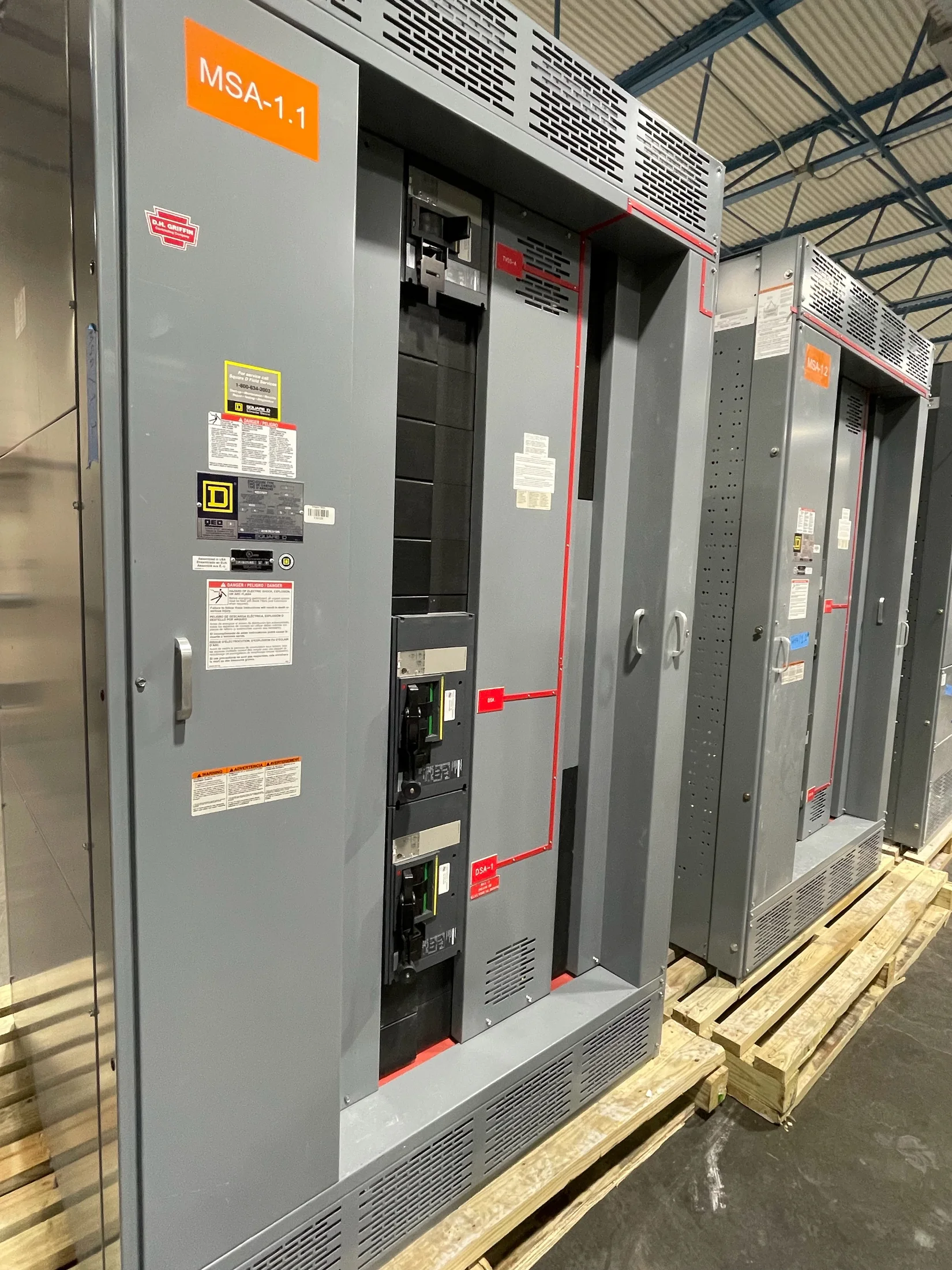
The first pricing decision is what the project actually requires: a UL 891 low-voltage switchboard, UL 1558 low-voltage switchgear, or medium-voltage equipment. These are distinct equipment categories, not interchangeable price levels. System voltage, distribution arrangement, service conditions, and applicable specifications guide selection; UL 891 applies to switchboards, not medium- or high-voltage equipment.
Within the selected category, rated current and the number and size of incoming, feeder, tie, or distribution sections affect materials and construction. A larger ampacity may require different bus dimensions and component selections, but price cannot be inferred from an ampere rating alone. Provide the one-line diagram, system voltage, source details, and requested ratings for review.
Fault Duty and Protective Devices
Available fault current and required short-circuit ratings influence bus bracing, breaker selection, and the overall equipment design. The relevant value depends on the source and system configuration, so it should come from a current study or be confirmed with the responsible engineer and utility. Do not assume a standard rating will suit every installation.
Protective-device cost varies with device type, frame and trip requirements, interrupting capability, accessories, and coordination needs. A project may call for molded-case or insulated-case breakers, power circuit breakers, fuses, or other specified arrangements, depending on equipment class and design. Submit protection settings, coordination criteria, and any required manufacturer or device specifications.
Controls, Metering, and Communications
A basic distribution lineup and a lineup with extensive monitoring and control are different scopes. Metering may include selected electrical quantities, display locations, and communications interfaces; control provisions can add relays, control power, wiring, terminal blocks, and operator devices. Identify what must be monitored or operated rather than relying on a general request for a fully featured lineup.
Integration requirements can also affect engineering and documentation. Specify communication protocols, network connections, point lists, relay functions, control sequences, and interfaces to building or plant systems where applicable. Confirm who supplies external gateways, field wiring, and programming. These details help distinguish factory-furnished equipment from work assigned to the contractor or controls integrator.
Enclosure and Installation Conditions
Enclosure construction and environmental requirements affect material, layout, and fabrication. Indoor or outdoor placement, corrosion exposure, dust, moisture, ambient conditions, and access restrictions may call for different enclosure details. State the installation environment and any project-required enclosure rating or finish; suitability should be confirmed against the actual site conditions and governing specifications.
Room dimensions, cable entry direction, working clearances, seismic criteria, and handling routes can constrain section sizes and lineup arrangement. Unusual access or tight retrofit spaces may require custom fabrication and additional coordination. Provide room drawings, equipment location, cable routing assumptions, and relevant structural criteria early so the proposed configuration can be checked before release.
Lineup Configuration and Bus Arrangement
The number of sections, breaker positions, bus ties, source arrangements, and spare provisions all influence the build. A simple radial lineup differs from a system with multiple sources or transfer functions. Spare spaces and future feeder provisions can be practical, but they add present cost; define which are required now and which are intended for future expansion.
Bus material, bus arrangement, neutral provisions, grounding details, and connection requirements should match the design documents and system grounding scheme. Special transitions, cable terminations, or interfaces to transformers and existing equipment can add design and fabrication work. Include connection sizes, termination preferences, and interface drawings when available, and have the responsible engineer verify compatibility.
Project Scope Beyond the Equipment
A quote depends on what is included. Clarify whether pricing is for equipment only or also covers drawings, submittals, special documentation, factory services, startup support, or site work. Those services should not be presumed. Identify required deliverables, review milestones, and responsibilities so the proposal reflects the requested scope rather than assumptions.
Shipping and delivery conditions are another project-specific consideration. Nationwide shipment may involve destination, unloading arrangements, delivery restrictions, and coordination with the construction schedule. State the ship-to location, receiving hours, access limitations, and whether offloading is arranged by the buyer. Confirm delivery terms and any requested packaging or handling requirements in the quote.
Specifications, Standards, and Review
Project specifications can call for particular construction details, labeling, documentation, or verification procedures that affect engineering and production effort. Provide the applicable specification sections, drawings, approved equipment schedules, and any owner requirements. Clarify conflicts or deviations for review rather than treating a broad specification reference as a complete equipment definition.
The design should be checked by the responsible electrical engineer and, where relevant, the utility and authority having jurisdiction. Confirm system ratings, protection coordination, grounding, clearances, and code requirements for the installation. Equipment features and approvals are build-specific; a quote should identify the proposed configuration and any items that remain subject to technical review.
What to Send for a Useful Quote
A strong request typically includes the one-line diagram, equipment schedule, system voltage, available fault-current information, required ratings, protective-device details, and control or metering requirements. Add enclosure conditions, lineup dimensions, cable entry preferences, and project specifications. If information is pending, label it clearly and identify who will confirm it and by what project milestone.
For new equipment, a U.S. manufacturer can review the application, identify missing inputs, and develop a custom-fabricated configuration for the stated requirements. Short lead times may be available depending on scope, components, and production schedule; confirm timing for the specific build. A complete request makes technical review and price comparison more meaningful without treating unlike configurations as equivalent.