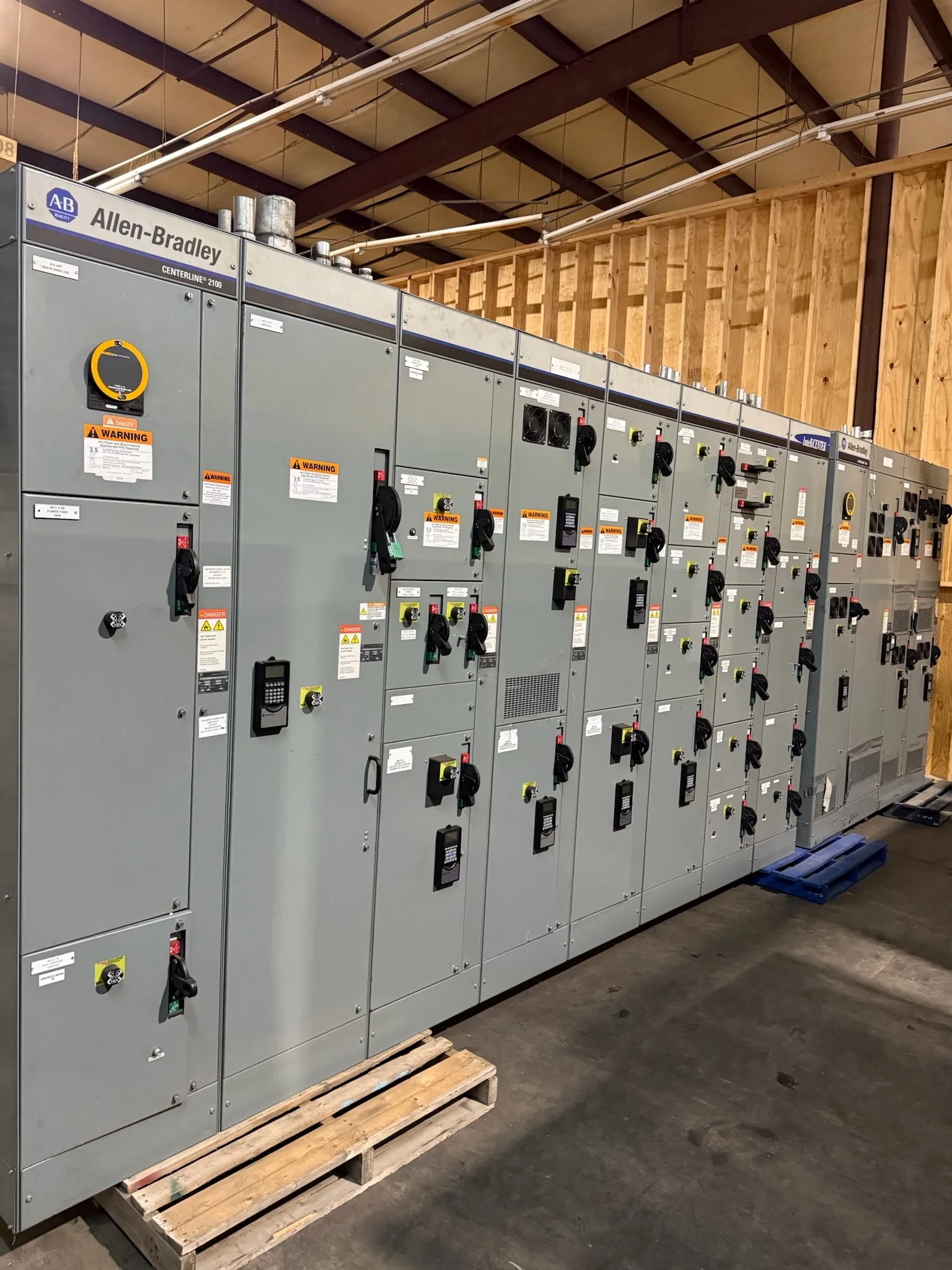
Start with a shared document basis
Switchgear documentation is not an administrative afterthought; it is part of defining what the equipment must do and how it fits the project. Early agreement on document types, formats, review responsibilities, and approval milestones helps prevent conflicting interpretations between the owner, engineer, contractor, utility, and manufacturer.
At quotation, provide available one-line diagrams, specifications, equipment schedules, site constraints, and the intended scope boundary. Identify which documents are preliminary and which govern design. If requirements conflict, record the issue for resolution rather than silently choosing an interpretation that could affect configuration, cost, or delivery.
Make drawings describe the actual arrangement
A switchgear or switchboard drawing set should make the proposed arrangement understandable: incoming and outgoing sections, bus configuration, devices, metering, control components, and relevant interfaces. The required detail depends on project stage. A preliminary layout supports review; approved manufacturing drawings need enough resolved information to build the specified assembly.
Confirm enclosure dimensions, cable entry and exit directions, access clearances, room openings, conduit zones, and any shipping or installation limits. Verify the available fault-current information, system voltage, grounding method, and protective-device requirements with the responsible engineer. Layout assumptions should be visible so reviewers can correct them before release.
Use schedules to resolve configuration choices
An equipment schedule should identify the electrical and operational requirements for each lineup or section, not merely repeat a product name. Useful entries may include system characteristics, feeder quantities, device functions, frame or trip requirements where established, metering, control power, and specified accessories. Mark undecided values as open items.
Distinguish equipment categories when setting documentation requirements. UL 891 applies to low-voltage switchboards; UL 1558 applies to low-voltage switchgear. Medium-voltage equipment follows different standards and design considerations. Confirm the required equipment type, applicable specifications, and project-specific listing or approval needs rather than treating these terms as interchangeable.
Document interfaces and engineering assumptions
Many coordination problems occur at interfaces: utility service details, upstream protection, downstream feeders, grounding and bonding, communications, generator or transfer equipment connections, and building controls. Identify who supplies each item and what information must cross the boundary. A responsibility matrix can expose gaps before they become drawing comments.
Record assumptions that influence design, including available short-circuit current, selective-coordination criteria, arc-flash study inputs, environmental conditions, seismic requirements, and conductor termination needs. These are not universal features or ratings. The responsible engineer should validate calculations and design criteria, with utility and authority having jurisdiction review where applicable.
Agree on review and approval gates
A practical review plan names the reviewer for each document, the expected response, and the milestone that requires approval. Separate comments that clarify the design from requests that change scope. Consolidate feedback where possible, and identify the revision being reviewed so the team does not approve outdated sheets or schedules.
Define what approval means before drawings are issued. Approval for manufacture should confirm configuration and interfaces, while recognizing that code compliance and system design remain subject to responsible professional review. Establish how late changes are evaluated, documented, and authorized, including potential effects on fabrication, schedule, and pricing.
Specify test records before testing begins
Test documentation should match the equipment specification and the agreed scope, not an assumed standard package. Confirm which inspections and routine tests apply, what records will be supplied, how results will be identified, and whether witness points or customer hold points are required. Requirements should be settled early enough to plan the process.
For a custom assembly, clarify how test records will identify the equipment, applicable drawings, test scope, and disposition of any noted issue. Do not infer that a particular test, certification, or performance result is included without confirmation. Project specifications, applicable standards, and the final approved configuration determine the appropriate documentation.
Plan a usable closeout package
Closeout documents should help the facility operate and maintain the installed equipment. Agree whether the package includes final as-built drawings, device and component information, operating instructions, maintenance guidance, test records, and any required labels or schedules. Confirm file formats, naming conventions, delivery method, and whether paper copies are needed.
As-built documentation should reflect approved field changes, not simply reproduce the original manufacturing set. Establish who reports changes and who verifies them. If field modifications affect protection, wiring, or equipment interfaces, the responsible engineer and appropriate reviewers should determine what updates and checks are necessary before records are finalized.
Build the quote around complete inputs
A useful request for quotation includes the latest one-line diagram, technical specification, equipment schedule, service conditions, required standards, preferred arrangement, and known site constraints. Include target review dates, requested test documentation, closeout expectations, and the delivery destination. Identify unresolved design choices so the proposal can state assumptions and exclusions clearly.
When information is incomplete, a manufacturer can identify decisions needed to develop a defined proposal rather than guess at critical details. U.S.-built equipment using American components, custom fabrication, short lead times, and nationwide shipping can support varied project needs; confirm the specific build scope and schedule. Have the responsible engineer, utility, and AHJ review applicable design matters.