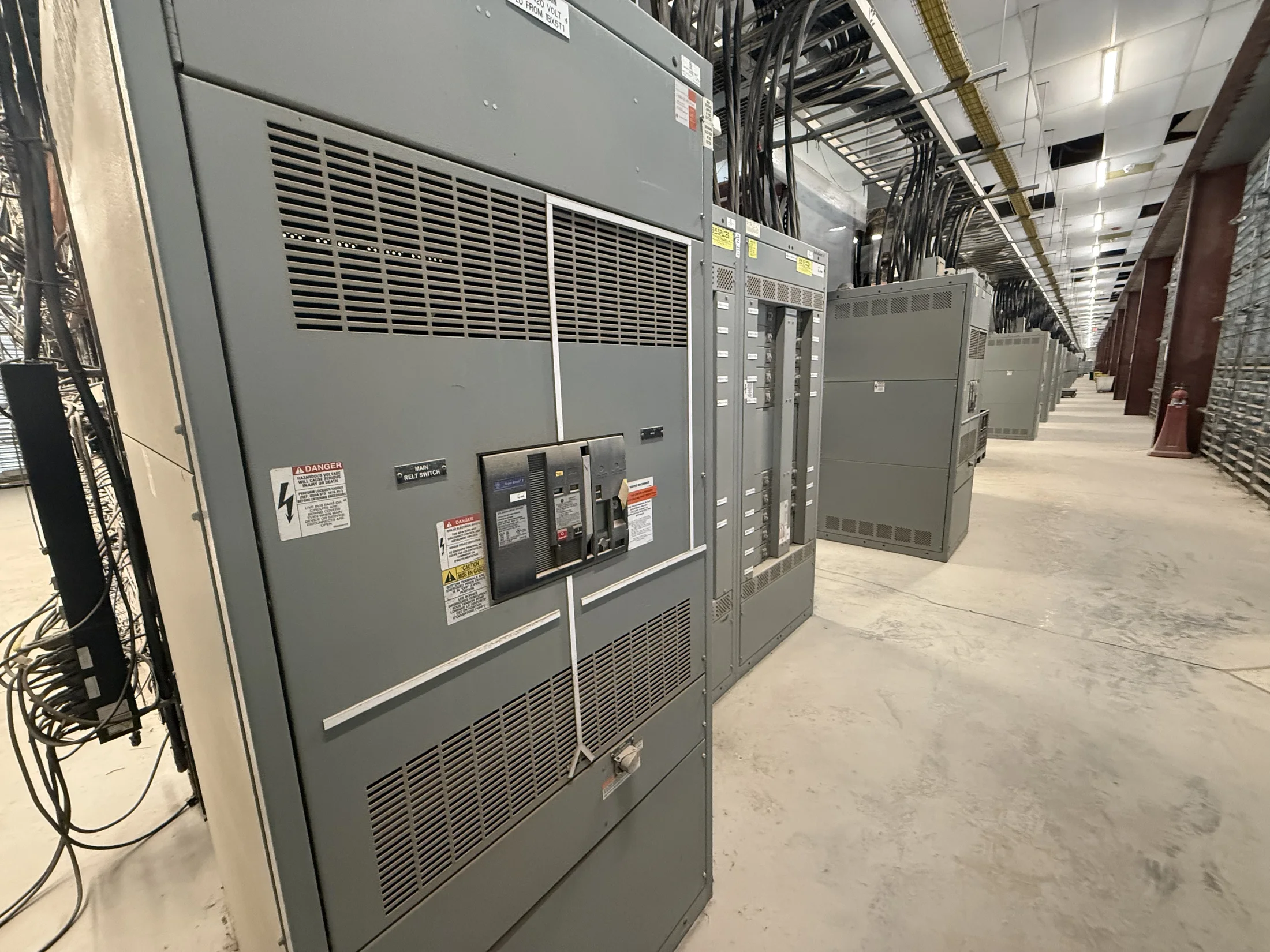
Start With the Intended Duty
Begin by asking what the equipment must do in the actual installation. Confirm system voltage, phase, frequency, available fault current, continuous load, source arrangement, and the role of each device. These inputs shape the design and provide a meaningful basis for reviewing workmanship and test documentation.
Identify whether the project calls for a UL 891 switchboard, UL 1558 low-voltage switchgear, or medium-voltage equipment. They are different equipment categories, not interchangeable quality grades. Ask which construction standard and project specifications apply to the proposed configuration; do not infer coverage or suitability from a general product description.
Ask What Materials Are Specified
Request a clear description of the proposed enclosure, bus, insulation, barriers, and internal supports, including the material grades or characteristics that matter to the project. Ask how the design addresses the specified environment, such as indoor or outdoor placement, temperature, moisture, dust, corrosion exposure, and available installation space.
Material choices must be considered with the electrical and mechanical design, rather than treated as a standalone quality score. Confirm bus arrangement, conductor sizing basis, plating requirements if specified, and connection methods. Give the supplier project drawings and environmental conditions so the quotation reflects the intended duty instead of assumptions.
Clarify the Equipment Configuration
Ask for a lineup description that identifies sections, main and feeder devices, metering, control power, communications, and any required future provisions. Confirm whether the proposed arrangement matches the one-line diagram, load schedule, cable entry plan, and coordination requirements. A change in device frame, compartment, or bus layout can affect interfaces.
For a custom build, identify dimensions, access clearances, shipping splits, lifting provisions, cable termination space, and connections to adjacent equipment. Confirm who supplies and verifies interfaces such as transformers, protective relays, cables, or control wiring. These details help prevent a quality review from overlooking installation constraints that affect the finished lineup.
Define Inspection Checkpoints Before Release
Ask which manufacturing stages can be inspected and whether the customer or its representative may witness selected checkpoints. Discuss review of drawings, incoming materials, bus preparation, device installation, wiring, labeling, and final assembly. Agree on notice periods, access, and documentation expectations before work proceeds, especially if an inspection is a contractual hold point.
A checkpoint is useful only when its scope and acceptance basis are understood. Specify what will be examined, which approved documents govern the review, how discrepancies will be recorded, and who can authorize disposition. Confirm whether photographs, measurement records, or signed checklists are available; do not assume every item receives a separate customer witness.
Make the Test Plan Specific
Request a proposed test plan tied to the equipment type, approved drawings, purchase specification, and applicable requirements. Ask which routine inspections and electrical or functional checks are included, what instruments or procedures are used where relevant, and what constitutes a recorded result. A test plan should distinguish checks on this build from design-level evidence.
Clarify whether tests are performed at the factory, witnessed, or documented for customer review, and identify any project-specific tests that need advance agreement. Do not assume a particular test, rating, certification, or result applies to every configuration. The responsible engineer should review the proposed scope against the installation and procurement documents.
Review Acceptance Records and Traceability
Before issuing a purchase order, list the records required for turnover: approved drawings, equipment identification, inspection reports, test summaries, operating instructions, and any agreed deviations. Confirm file format, delivery timing, revision control, and whether records must be linked to section or device identifiers. Requirements vary by owner, contract, and project.
Ask how substitutions, nonconformances, and drawing changes are documented and approved. Establish who reviews deviations and whether revised records accompany the equipment. Acceptance is not simply a folder of paperwork: the documents should let the owner compare delivered configuration with approved requirements and support installation, commissioning, operation, and future maintenance.
Coordinate Quality With Site Requirements
Factory quality cannot resolve every field condition. Confirm shipping dimensions and weights, receiving access, storage conditions, lifting and handling instructions, and the installation sequence. Discuss how shipping splits reconnect and which field connections or adjustments remain the installer’s responsibility. Clear boundaries reduce uncertainty when equipment arrives at a constrained electrical room or active facility.
Have the responsible engineer check protection settings, grounding, available fault current, coordination, arc-flash study inputs, and utility interface requirements as applicable. The authority having jurisdiction may have project-specific review needs. Ask the manufacturer to identify assumptions in the quotation so site design decisions are verified by the appropriate parties.
Prepare a Complete Request for Quote
For a useful quotation, provide the one-line diagram, equipment schedule, applicable specifications, load and fault-current information, voltage and frequency, environmental conditions, and required standards or project documents. Include preferred lineup dimensions, cable entry and exit details, metering or control needs, communications, and any required inspection, testing, or acceptance records.
State the requested delivery location, schedule constraints, submittal milestones, witness expectations, and approved-equal process. Identify open questions rather than leaving critical details implicit. A U.S.-built, custom-fabricated new lineup can be quoted more accurately when the manufacturer can review the complete duty and documentation scope; confirm lead time for the specific build.