Start With a Defined Equipment Scope
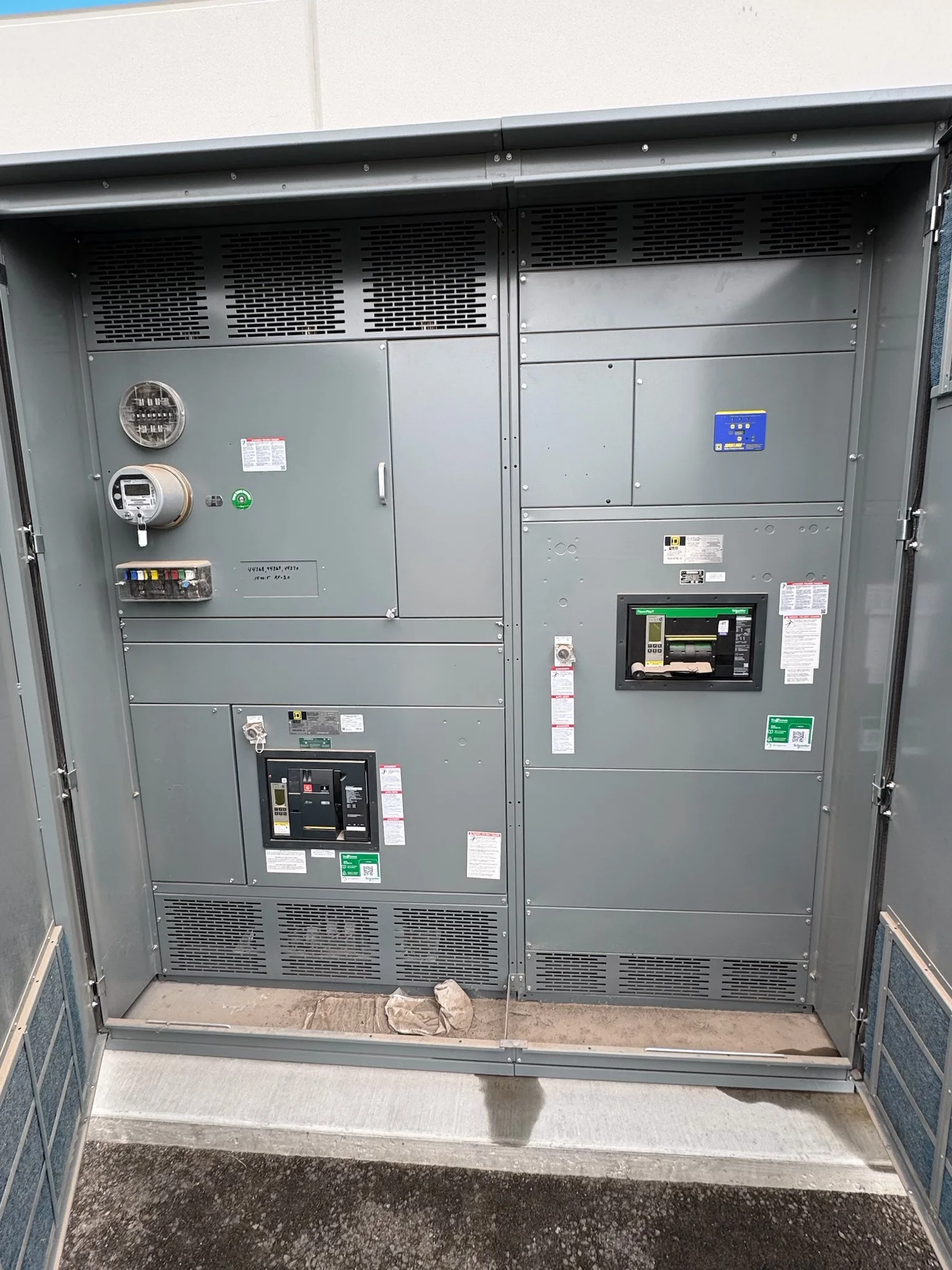
A useful schedule begins with a defined scope: equipment type, electrical ratings, enclosure arrangement, feeder count, and installation context. A UL 891 switchboard, UL 1558 low-voltage switchgear, and medium-voltage equipment follow different design and production paths. Confirming the intended class early avoids planning around the wrong configuration.
For a quote, provide the one-line diagram, load and fault-current information, system voltage, available service details, and project specifications. Identify indoor or outdoor use, lineup dimensions, cable entry, and site constraints. The responsible engineer should resolve design assumptions that affect equipment selection before manufacturing documents are prepared.
Design Reviews and Approval Cycles
After the equipment scope is established, drawings and technical submittals typically need review by the customer’s engineering team, contractor, utility, or other project stakeholders. The number of review rounds and the time needed to return comments are outside the manufacturer’s direct control, so they should be included in the project plan.
Comments can affect bus arrangement, breaker selection, metering, controls, compartment layouts, or interface points. Consolidated, coordinated feedback helps limit rework; late changes may require revised drawings, material checks, or fabrication adjustments. Confirm who has authority to approve documents and how unresolved exceptions will be handled.
Component Availability and Substitutions
The production plan depends partly on availability of specified breakers, protective devices, meters, relays, control components, and other materials. Lead times can vary by manufacturer, model, configuration, and market conditions. A requested component’s availability should be checked against the project’s required functions and technical specifications, not assumed from a catalog description.
When a component is unavailable, an alternative is not automatically interchangeable. Verify ratings, interrupting capability, protection functions, communications, dimensions, and compatibility with the equipment design. Any proposed substitution should receive required customer and engineer approval before it is incorporated. For a quote, list preferred manufacturers and identify which items are mandatory.
Configuration Choices Shape Fabrication
Custom fabrication reflects the approved design, including section count, bus layout, mounting arrangements, barriers, wireways, and provisions for incoming and outgoing conductors. A compact footprint or unusual cable approach can require additional coordination. Detailed dimensions and connection requirements help determine whether the proposed arrangement is practical for manufacture and installation.
Project-specific options such as control wiring, metering, protection, labeling, and auxiliary power also add design and assembly work. Specify required functions and interfaces rather than relying on a general description. Confirm cable sizes, termination space, conduit entry, and access clearances with the responsible engineer and installation team before drawings are released.
Release Readiness and Material Coordination
A production plan is more reliable when approved drawings, specifications, and purchase decisions are aligned. Open questions about ratings, accessories, controls, or field interfaces can prevent parts from being finalized or work from proceeding in sequence. Establishing a clear approval status makes it easier to identify what is ready and what remains unresolved.
Some materials may be ordered or prepared at different stages, but the specific sequence depends on the design and sourcing conditions. Confirm whether the project requires customer-furnished devices, special documentation, or coordination with other contractors. Changes after release should be documented promptly so affected engineering, purchasing, and fabrication steps can be assessed.
Assembly, Wiring, and Inspection Work
Fabrication and assembly include enclosure and structural work, bus preparation, device installation, wiring, and integration of specified controls. The effort varies with lineup size, complexity, custom features, and the maturity of the approved design. Clean, complete project information reduces avoidable clarification during these coordinated manufacturing activities.
Inspection requirements also influence planning. Identify project specifications for documentation, witness points, inspection hold points, or customer review before production begins. Their timing and availability need coordination among the manufacturer and project team. Do not assume a particular inspection process is included; define requested activities and acceptance criteria in the inquiry or specification.
Testing Requirements and Acceptance
Testing is planned around equipment type, design, applicable requirements, and the project specification. The scope may include routine production checks or additional customer-requested activities, but the exact procedure and documentation must be confirmed for the proposed build. UL 891 applies to low-voltage switchboards; it does not cover medium-voltage equipment.
UL 1558 low-voltage switchgear is distinct from UL 891 switchboards, and medium-voltage equipment has its own applicable design and evaluation considerations. Confirm the required equipment category, requested listing or certification expectations, test documentation, and any witness arrangements. The responsible engineer, utility, and AHJ should review requirements relevant to their roles.
Transportation, Site Readiness, and Quote Inputs
Transportation planning depends on shipment size, weight, packaging, route, delivery location, access restrictions, and whether the lineup must be divided into shipping sections. Nationwide shipping can be coordinated, but site conditions and carrier arrangements affect delivery planning. Provide the destination, receiving hours, unloading capability, and any lift-gate or appointment requirements.
For a useful schedule discussion, submit current drawings, specifications, ratings, equipment quantities, desired delivery window, approval contacts, and known site constraints. Note required testing, documentation, component preferences, and delivery restrictions. A U.S. manufacturer building with American components can provide custom fabrication and short lead times, but timing depends on the confirmed project scope, sourcing, approvals, production, and logistics.