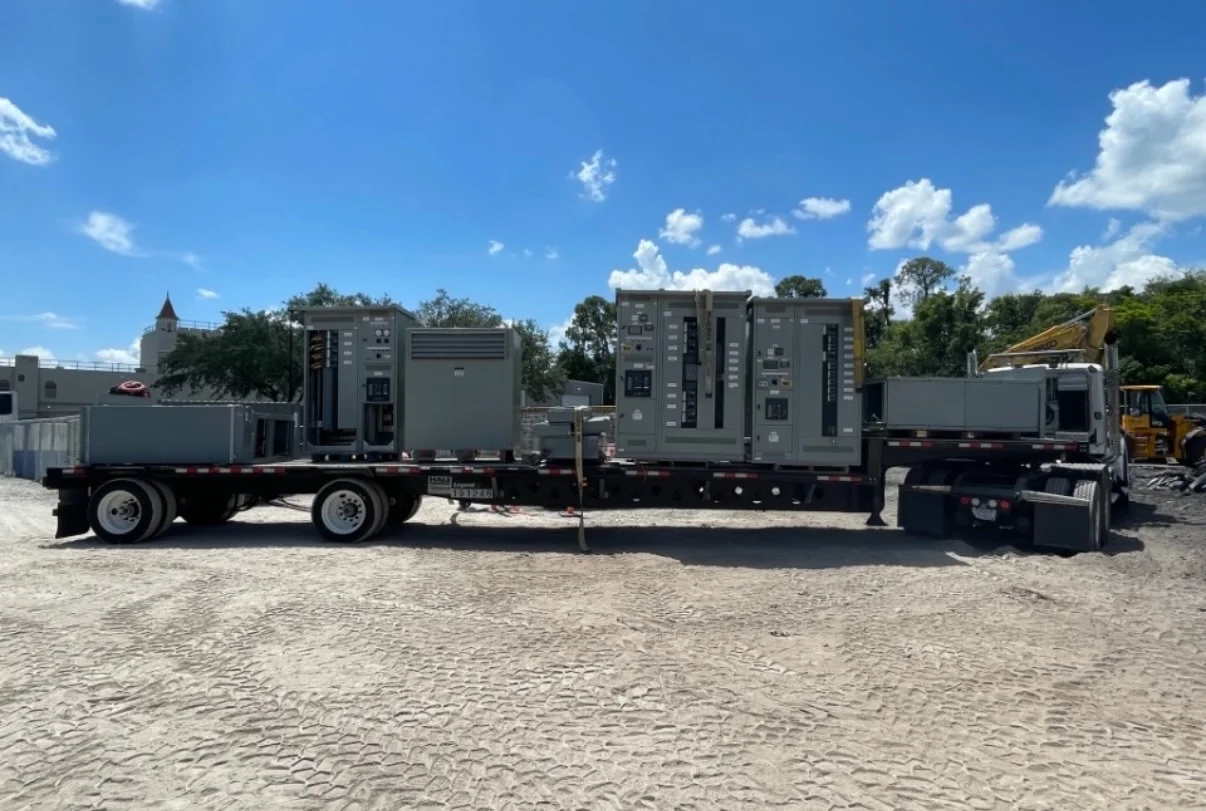
Statewide Project Scope
Ohio projects can require equipment for a single building, a plant expansion, a utility interface, or a multi-site program. We build and supply new electrical switchgear and power distribution equipment for customers across the state, with scope shaped by the project’s electrical design and procurement requirements—not by a city-based service boundary.
Project location still matters for practical coordination. Confirm the delivery address, receiving hours, unloading provisions, site access limits, and the party responsible for installation. These details help establish a workable shipping plan and clarify whether equipment arrives at a contractor’s facility, a jobsite, or another designated destination.
Start With the Electrical System
Before selecting equipment, identify the system voltage, phase, frequency, available fault current, grounding arrangement, and source configuration. Also establish whether the project involves service entrance distribution, feeder distribution, transfer functions, or a combination. The responsible engineer should verify system data and document assumptions before equipment requirements are finalized.
One-line diagrams, load schedules, and existing equipment information help show how the new assembly must connect to the system. Confirm main and feeder quantities, continuous and noncontinuous loads, spare capacity expectations, and any future expansion needs. These inputs influence lineup layout, bus arrangement, protective-device selection, and enclosure planning.
Choose the Equipment Class Carefully
Low-voltage switchboards and low-voltage switchgear are not interchangeable labels. UL 891 applies to switchboards; UL 1558 applies to low-voltage switchgear. The appropriate construction depends on the application, specified performance and construction requirements, and the engineer’s design. Confirm the required equipment class in project documents rather than inferring it from voltage alone.
Medium-voltage equipment is a separate category with its own applicable standards, ratings, and design considerations; UL 891 does not cover medium- or high-voltage equipment. For projects involving utility or facility medium-voltage systems, identify nominal and maximum system voltage, insulation requirements, fault duties, protection scheme, and interface details for review by the responsible engineer.
Define Configuration and Protection
A useful equipment schedule identifies each section’s function, main and feeder devices, bus requirements, metering, control power, and specified accessories. For protective devices, confirm trip-unit functions, sensor or rating-plug requirements where applicable, coordination objectives, and communications needs. Final choices must reflect the system study and project specifications, not a generic package assumption.
Physical constraints deserve equal attention. Record allowable lineup width and depth, ceiling height, cable entry direction, bend space, working clearances, and the route from receiving point to final location. Confirm indoor or outdoor use, environmental conditions, seismic or other project criteria, and enclosure expectations. These items can affect fabrication and installation planning.
Account for Utility and Site Interfaces
Service equipment requirements may depend on the serving utility, including metering arrangements, service conductors, grounding and bonding details, and approved points of connection. Utility practices can vary by project and location. Obtain applicable service requirements early, then reconcile them with the one-line diagram, equipment specifications, and the utility’s review process.
The authority having jurisdiction may also require project-specific documentation or inspection coordination. Confirm who submits drawings, who answers technical comments, and what information is needed before installation. The responsible engineer, utility, and AHJ should review applicable design and interface decisions. Do not assume a common configuration satisfies every Ohio jurisdiction or service provider.
Prepare a Complete Quote Package
A clear request for quotation includes the project location, requested delivery timing, equipment class, system data, one-line diagram, load schedule, specifications, and quantity of lineups. Add available fault-current information, protective-device requirements, metering and control details, and any specified standards. Identify alternates or unresolved items so they can be evaluated explicitly.
Include general arrangement drawings or room plans when available, along with cable entry preferences, shipping splits, access restrictions, and receiving contacts. State whether the request covers equipment only or includes a defined scope of documentation or accessories. Complete inputs reduce avoidable assumptions; open engineering decisions should be marked for confirmation rather than treated as settled requirements.
Fabrication, Review, and Delivery
We build new equipment in the United States using American components and offer custom fabrication for project-specific configurations. Short lead times may be available, but schedule depends on the finalized scope, component availability, engineering review, approvals, and production requirements. Confirm the current schedule against the actual equipment package and required submittal milestones.
Nationwide shipping supports delivery to Ohio destinations, subject to the project’s logistics and receiving plan. Before release, align shipping dimensions and section breaks with the installation route and site handling capabilities. Confirm whether the destination can receive the shipment, who arranges unloading, and how delivery timing coordinates with construction sequencing and storage conditions.
Coordinate Decisions Through Installation
Equipment selection is one part of a larger project sequence. Establish responsibility for drawing review, submittal approval, field verification, installation, termination, and commissioning. Check that the final equipment documents agree with the current electrical design and site conditions, especially if room dimensions, conductor routing, or connected loads have changed since quotation.
For an Ohio project, statewide supply does not substitute for local engineering or field coordination. The design professional should verify ratings and protection against the system study; the contractor should confirm constructability and installation details; and the utility and AHJ should address their applicable requirements. Share revisions promptly so the equipment scope remains aligned with the project.