Start with the project’s electrical purpose
Describe what the equipment will serve and where it sits in the distribution system. Identify whether the request concerns a service entrance, a facility main, a distribution lineup, a replacement section, or a new building project. Include the upstream source and downstream loads, such as transformers, panelboards, motor control centers, or large process equipment. A single-line diagram, even if preliminary, helps the manufacturer understand the intended arrangement and spot questions that a generic equipment description would leave open.
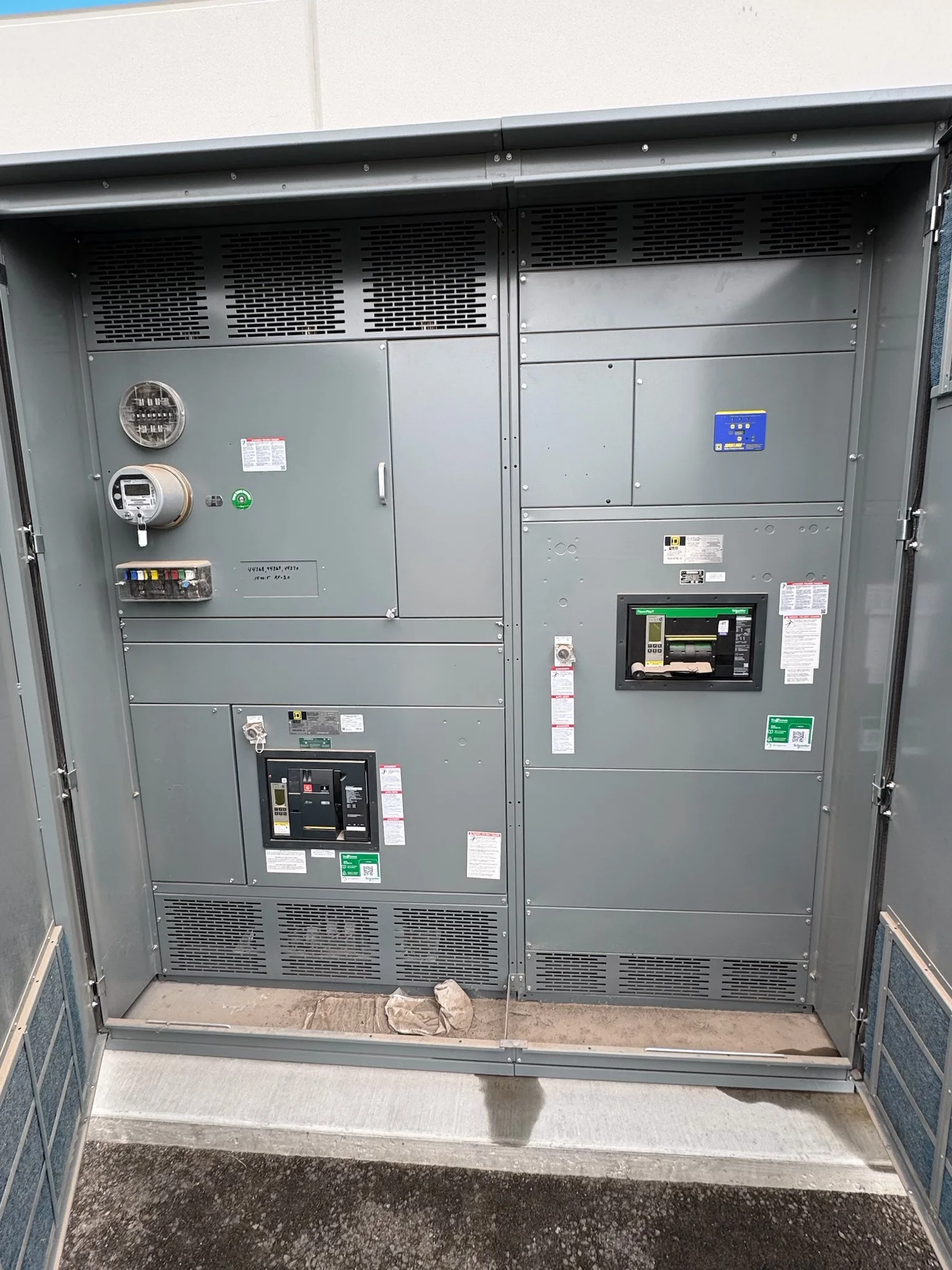
Clarify whether the project is new construction, an expansion, a retrofit, or an emergency replacement. For existing installations, provide the equipment nameplate information and relevant drawings if available; photographs can help show cable entry, room access, and adjacent gear. Do not assume an existing lineup can accept a new section without review. Bus arrangement, physical dimensions, ratings, and the original design may constrain what can be added or substituted.
Share the electrical data that shapes selection
For a quotation, provide system voltage, phase and frequency, the requested continuous current rating, and available fault-current information at the equipment location. Identify the upstream protective device and any known coordination or selective tripping requirements. If the available fault current or utility source details are not yet confirmed, say so and identify who is expected to establish them. These inputs affect equipment selection and interrupting or withstand requirements; they should not be replaced with assumptions made solely to obtain a preliminary price.
List the load types and operating conditions that influence the lineup: motors, variable-frequency drives, generators, UPS systems, capacitors, or other sources that may affect protection and switching. State whether future capacity, spare spaces, metering, or a tie between sources is being considered. The manufacturer can help define configuration options, but the responsible electrical engineer must verify the system design, calculations, protection scheme, and suitability for the installation.
Identify the applicable equipment category
Use the project specifications and design basis to establish whether the request is for a low-voltage switchboard, low-voltage switchgear, or medium-voltage equipment. UL 891 applies to switchboards; UL 1558 applies to low-voltage switchgear. These are distinct equipment categories, not interchangeable labels. Medium-voltage equipment is a separate design and specification matter, and UL 891 does not cover medium- or high-voltage equipment. If the specification is unclear, send the relevant section and ask for the intended category to be confirmed before comparing quotations.
Also identify the required enclosure and installation conditions. Indoor or outdoor location, room environment, access, cable direction, top or bottom entry, and available working space can shape construction and arrangement. Confirm the project’s seismic, environmental, or other code-driven requirements with the engineer and authority having jurisdiction (AHJ), where applicable. Treat ratings, construction details, and any requested certification or listing as project-specific items to verify for the proposed build, not automatic attributes of every configuration.
Make the physical arrangement clear
Share room plans, elevations, and dimensions, including doorways, corridors, equipment pads, overhead obstructions, and the route from receiving to the final location. Note which side must face an aisle and whether rear access is available. Cable termination space, conduit locations, and bending room can affect lineup depth and section placement. For replacement work, record the footprint and connection points of the installed equipment, but have the responsible designer determine what can be reused and what must be changed.
Describe the desired functional sections, such as incoming service, mains, feeders, metering, or a bus tie, and identify any sequence or operating interlocks required by the design. If the equipment must connect to existing gear, provide its manufacturer, type, ratings, bus details, and connection drawings when obtainable. A proposed physical match is not proof of electrical or mechanical compatibility. Ask for assumptions and exclusions to be stated in the quotation so the project team can resolve interface responsibilities before release.
Define controls, metering, and documentation
List the functions the project requires rather than asking for unspecified accessories. Examples include current and voltage metering, protective relays, communications interfaces, control power, alarms, or remote operating points. Provide the preferred protocols or owner standards when known, and identify who supplies external devices, wiring, and programming. Requirements for integration with building management, SCADA, or plant control systems should be reviewed with the controls team; equipment compatibility depends on the selected devices and the complete system design.
Ask what submittals and closeout information are needed and when. A project may require outline drawings, elementary diagrams, bills of material, nameplate schedules, operation documents, or data for coordination and arc-flash studies. State the review sequence and the people authorized to approve drawings. If witness or production testing is specified, describe the requested scope and acceptance criteria for confirmation. Do not presume a particular test, report, or document is included without having it listed and agreed in the project scope.
Give procurement a complete commercial picture
A useful request for quotation identifies project location, required quantities, desired ship window, delivery constraints, and the stage of design. Include the specification, approved alternates policy, bid form, and any required vendor documentation. Distinguish firm requirements from preferences and unresolved items. If the schedule is driven by a utility outage, shutdown, or construction milestone, provide the date and explain what must happen before shipment, such as drawing approval, site readiness, or coordination with other trades.
Ask the manufacturer to identify the basis of the quote, open technical questions, exclusions, and information still needed to finalize scope. Lead time depends on the approved configuration, component availability, engineering review, and the project’s release process; request a current schedule assessment rather than relying on a general estimate. U.S. manufacturing, domestic component sourcing, custom fabrication, short lead times, and nationwide shipping can be relevant supplier capabilities, but confirm the specific sourcing, schedule, and shipping arrangements for the requested equipment.
Coordinate installation and delivery details
Discuss unloading, shipment sequencing, storage, and site access while the arrangement is still being developed. Confirm who receives the shipment, whether a dock or lifting equipment is available, and whether delivery must be coordinated around site hours or construction phases. Ask for the anticipated shipping configuration and handling information for the proposed lineup. The installer should compare those details with route clearances, lifting capacity, floor loading, and the equipment room layout before the shipment is scheduled.
Establish the division of responsibility for field connections and commissioning-related activities. Clarify whether the electrical contractor, engineer, owner, or manufacturer is responsible for terminations, settings, inspections, or any requested startup support. Requirements vary by project and contract. The utility and AHJ may need to review service arrangements, grounding, protection, or code compliance. Keep those parties involved where relevant, and have the responsible engineer resolve design questions before procurement decisions become difficult to change.
Use the first conversation to close gaps
Before contacting the manufacturer, assemble the one-line diagram, specifications, load and fault-current data, layout, and schedule constraints that are available. Label preliminary values as preliminary and list decisions still pending, including voltage, rating, enclosure, metering, protection, and interface points. This lets the engineering and procurement discussion focus on the unknowns that can change equipment scope, instead of treating an incomplete request as a finalized design. For an early budget inquiry, say explicitly which assumptions the manufacturer should use.
After receiving a proposal, compare its stated configuration with the project documents and send discrepancies back in writing. Check equipment category, ratings, arrangement, included devices, interfaces, documentation, exclusions, and delivery basis. Route technical submittals to the responsible engineer and coordinate utility or AHJ review when required. A clear question-and-answer record helps keep the quotation, approved drawings, purchase order, and installation scope aligned as the project moves forward.