What This Website Is For
This website introduces a manufacturer and supplier of newly built electrical switchgear and power distribution equipment. Its purpose is to help engineers, contractors, facility teams and buyers understand equipment categories, identify planning questions and prepare project information before requesting a quote.
The pages are a starting point, not a substitute for project engineering or approval. Requirements vary with the electrical system, installation environment, utility rules and applicable codes. Treat ratings, arrangements and options as matters to confirm for each application rather than assumed features of every build.
Equipment for Distribution Projects
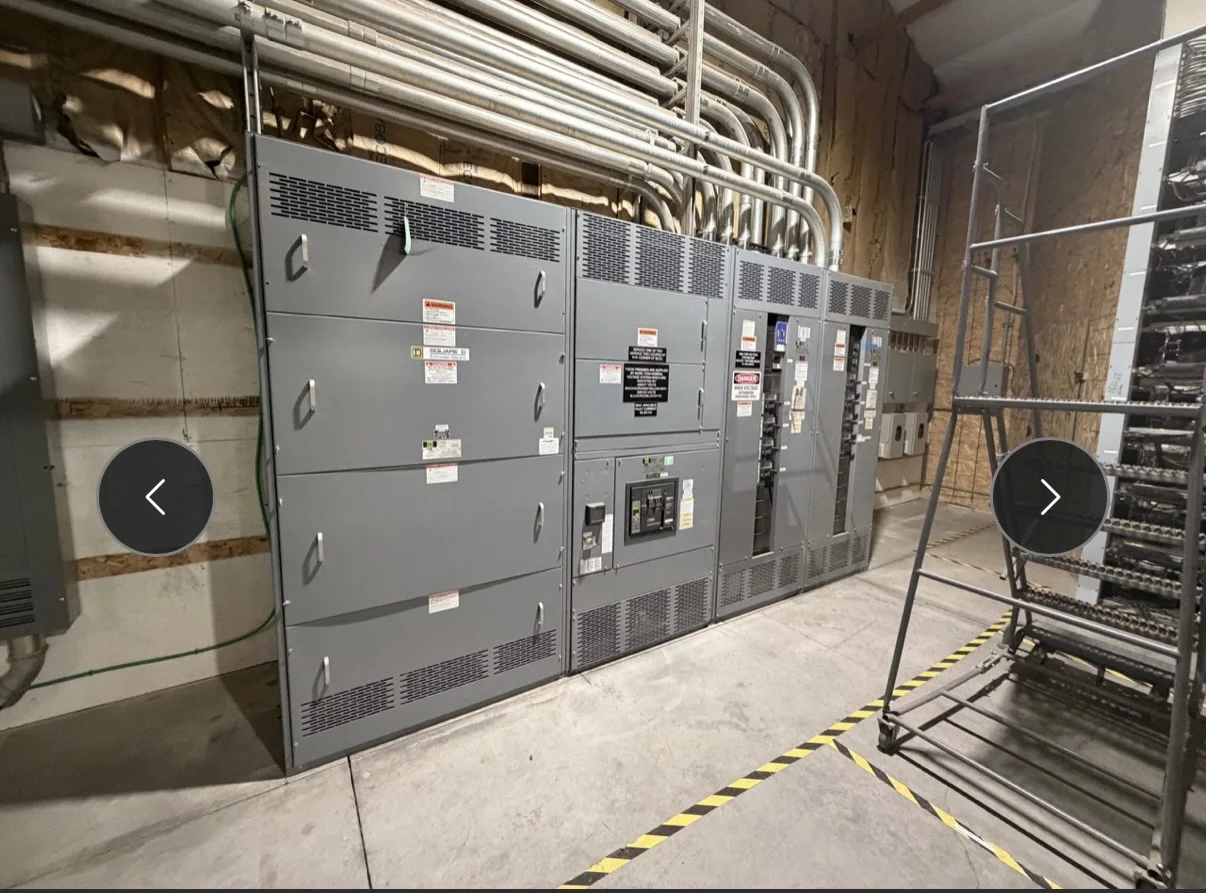
Our equipment focus includes low-voltage switchboards, low-voltage switchgear and medium-voltage power distribution equipment. The correct category depends on system voltage, service conditions, available fault current, load requirements and the design’s operating goals. Similar terminology does not make these assemblies interchangeable.
For example, UL 891 applies to switchboards, while UL 1558 applies to low-voltage switchgear. Neither standard is a blanket description of medium-voltage equipment. Project documents should identify the intended assembly and governing requirements clearly, with the responsible engineer confirming the appropriate design basis.
Serving Ohio Facilities and Projects
Ohio customers may be planning a new facility, expanding capacity, replacing aging distribution equipment or coordinating a broader electrical upgrade. Each setting brings different constraints: available floor space, access routes, outage windows, utility service details and the need to coordinate new equipment with existing systems.
We work with customers in Ohio and ship equipment nationwide. For an Ohio project, the quote and equipment review should account for the serving utility’s requirements, the local authority having jurisdiction, site conditions and the project schedule. The engineer of record remains responsible for the design and its coordination.
How Configuration Decisions Take Shape
Configuration begins with the one-line diagram and the equipment’s role in the distribution system. Important details can include incoming and outgoing circuits, bus arrangement, main-device requirements, metering, protective devices, control power and provisions for future loads. Each item should follow the project specification and engineering study.
Physical design matters as much as the electrical arrangement. Confirm indoor or outdoor placement, enclosure requirements, cable entry and exit, working clearances, room access, conduit locations and shipping limitations. Drawings and interface dimensions help identify conflicts early, especially when equipment must connect to existing gear or fit a constrained electrical room.
Engineering Information to Confirm
A useful design review should establish nominal voltage, phase and frequency, continuous load, system grounding, short-circuit conditions and the available fault current at the equipment location. Protection and coordination studies, where applicable, inform device selection and settings; those choices are not inferred from a general equipment description.
Also confirm environmental conditions, installation altitude where relevant, seismic or other project criteria, enclosure needs and applicable codes or specifications. Utility service requirements and AHJ decisions can affect the final arrangement. The responsible engineer should reconcile these inputs, resolve discrepancies and approve the project documents before fabrication proceeds.
Preparing a Complete Quote Request
For a quote, provide the project location, requested delivery timing, equipment type, quantity, voltage and preliminary ratings, if established. Include the one-line diagram, equipment schedules, written specifications, load information, site constraints and any required submittal format. Mark open decisions so assumptions can be identified rather than mistaken for requirements.
Useful coordination details include the utility’s service data, connection points, cable sizes or termination information, communication needs and the scope of supply. Clarify whether the request covers equipment only or also specified accessories or services. Complete information supports a more relevant proposal; unresolved design inputs may require follow-up before pricing can be finalized.
Manufacturing, Documentation and Delivery
We build new equipment in the United States and support projects through custom fabrication and equipment configuration. We build with American components and review their suitability against the project specification. Confirm required component origin, documentation and any purchasing provisions during the quote and submittal process.
Lead time depends on the approved scope, design coordination, component availability and production requirements; no single duration fits every project. Nationwide shipping can support Ohio and other destinations, but delivery planning should confirm freight access, unloading responsibility, receiving hours and the route from the drop point to the installation location.
A Clear Path from Inquiry to Installation
A practical project sequence is to define the electrical basis, request a proposal with supporting documents, review the proposed configuration, resolve comments and approve final drawings. Changes to ratings, interfaces or scope after approval can affect engineering and production, so decision owners and review dates should be identified early.
Before installation, coordinate the approved drawings with field dimensions, utility requirements and the construction schedule. Have qualified personnel handle installation and commissioning under project procedures, and seek review from the responsible engineer and AHJ where required. Our aim is to make the equipment scope understandable so customers can make informed project decisions.