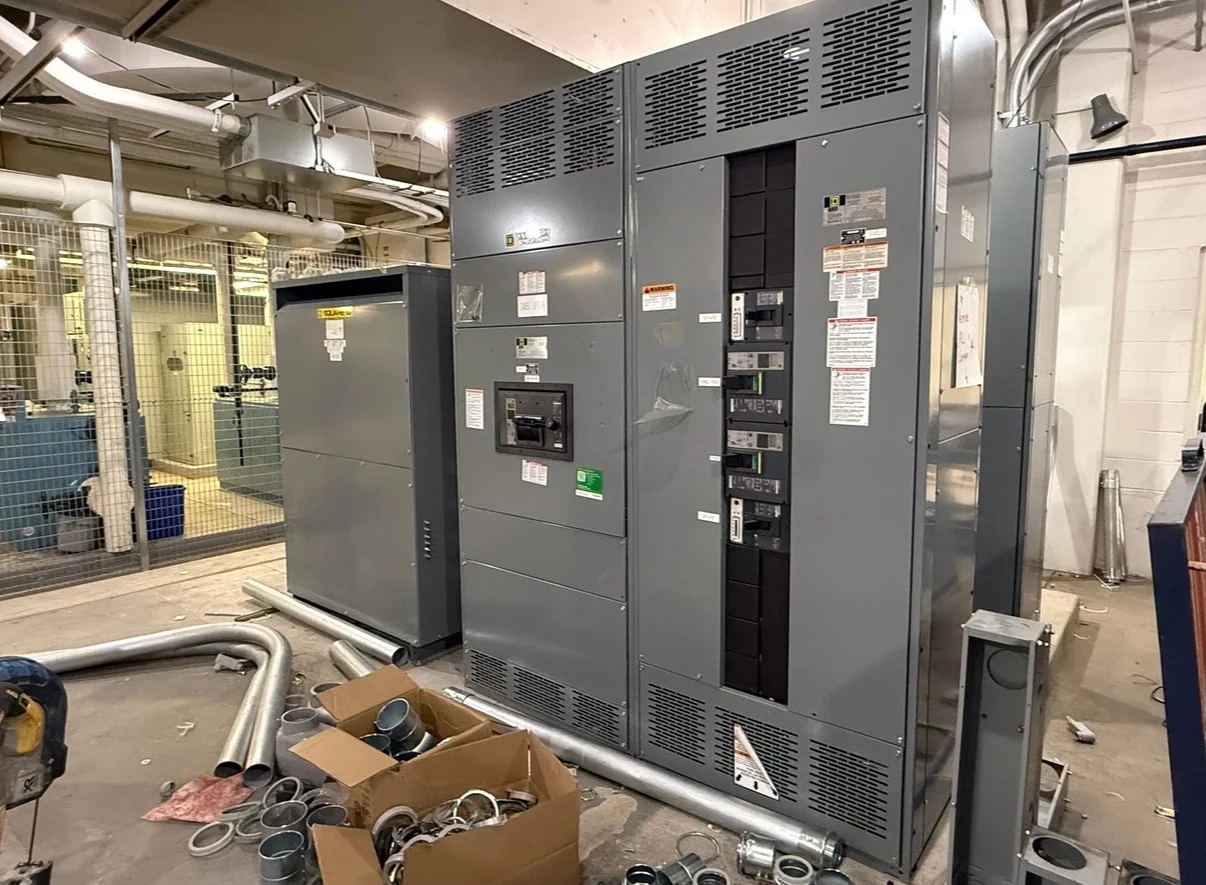
Define the Equipment Covered
Begin by identifying exactly which newly manufactured equipment the warranty would cover. A switchgear lineup may include breakers, bus, protective relays, metering, control wiring, enclosures, and accessories from different sources. Ask whether coverage applies to the complete assembly, specified components, or both, and how the written terms identify each item.
Tie that description to the quote documents: equipment type, lineup arrangement, voltage class, ratings, options, and approved drawings. UL 891 switchboards and UL 1558 low-voltage switchgear are distinct categories; medium-voltage equipment has different design and application considerations. Confirm the applicable construction and documentation for your project rather than assuming one warranty description fits all.
Clarify When Coverage Begins and Ends
Ask what event starts the coverage period: shipment, delivery, installation, commissioning, or another defined milestone. Also ask how the end date is calculated, whether the term differs among components, and what happens if storage or construction delays place equipment at the site well before energization.
For a project schedule, compare the proposed terms with expected delivery, storage, installation, and startup dates. Record who must notify the manufacturer of commissioning and whether required forms or inspection records apply. Do not rely on a verbal estimate; request the written warranty language that will govern the purchase and retain it with project records.
Read Exclusions Against Site Conditions
Exclusions can determine whether a claim is accepted. Ask how the terms address improper installation, unauthorized alterations, maintenance, operation outside specified conditions, and damage from external causes. Clarify whether the warranty distinguishes a manufacturing defect from a problem caused by application, site work, or another connected system.
Review exclusions against the actual environment and installation plan. Indoor or outdoor location, ambient conditions, contamination, moisture, seismic demands, ventilation, and available fault current may affect equipment selection or application. The responsible engineer should confirm design assumptions, while the utility and authority having jurisdiction should be consulted where their requirements affect the installation.
Understand the Claim Process
Before ordering, ask whom to contact, how quickly a suspected issue must be reported, and what information starts a claim review. Determine whether the process requires an equipment serial number, purchase documentation, photographs, event records, or a description of operating conditions, and whether the equipment must remain available for inspection.
Clarify whether site personnel may troubleshoot or make temporary repairs before receiving instructions. Ask how urgent conditions should be handled and who coordinates technical review. For electrical safety, follow site procedures and applicable rules; warranty questions do not replace safe isolation, qualified-person practices, or the responsible engineer’s evaluation of an operating concern.
Compare Remedies and Responsibility
Ask what remedy the written terms provide if a covered defect is confirmed. Possible language may address repair, replacement, or another specified resolution, but the actual remedy must come from the offered warranty. Clarify who decides the remedy, who performs the work, and whether approval is required before parts or labor are authorized.
Also ask how freight, removal, reinstallation, field labor, travel, and access costs are treated. A remedy for a component may not automatically cover disruption to the broader electrical system or project schedule. Confirm the limits and responsibilities in writing, and review them with purchasing or legal staff when contractual exposure matters.
Check Component and Supplier Boundaries
A custom lineup can combine the manufacturer’s assembly with devices or accessories made by other suppliers. Ask whether those items follow the switchgear warranty, separate component terms, or a defined coordination process. Identify the responsible contact for a claim involving a breaker, relay, meter, control device, or other specified component.
Confirm that the quote and approved bill of material identify the selected devices and options accurately. Substitutions, customer-furnished components, or later field changes can affect responsibility and documentation. If the application depends on a particular protection scheme or interface, have the design reviewed before release so the equipment configuration and warranty boundaries are understood together.
Preserve Records for a Purchase or Claim
Create a project file containing the quote, purchase order, warranty document, approved drawings, equipment labels, shipping records, and commissioning information. Preserve maintenance and inspection records required by the written terms. These details help establish which configuration was supplied and provide a clearer basis for reviewing a reported issue.
For a quote, provide the intended equipment category, system voltage, bus and interrupting requirements, lineup arrangement, protective devices, environmental conditions, and schedule. Include specifications and drawings that define the requested build. The manufacturer builds new equipment in the United States with American components, offers custom fabrication, and ships nationwide; project details support a relevant proposal.
Resolve Open Questions Before Release
Make a written list of unanswered warranty points before approving drawings or releasing the order. Ask for the governing document, any component-specific terms, claim contact information, and clarification of ambiguous exclusions or remedies. Confirm whether changes to the approved configuration require revised documents and how warranty terms are affected by those changes.
Treat warranty review as one part of equipment procurement, not a substitute for technical review. Verify ratings, protection coordination, interfaces, installation conditions, and code requirements with the responsible engineer, utility, and AHJ as applicable. A clear record of both the build requirements and written coverage terms reduces avoidable uncertainty after delivery.