Two Different Questions About Electrical Safety
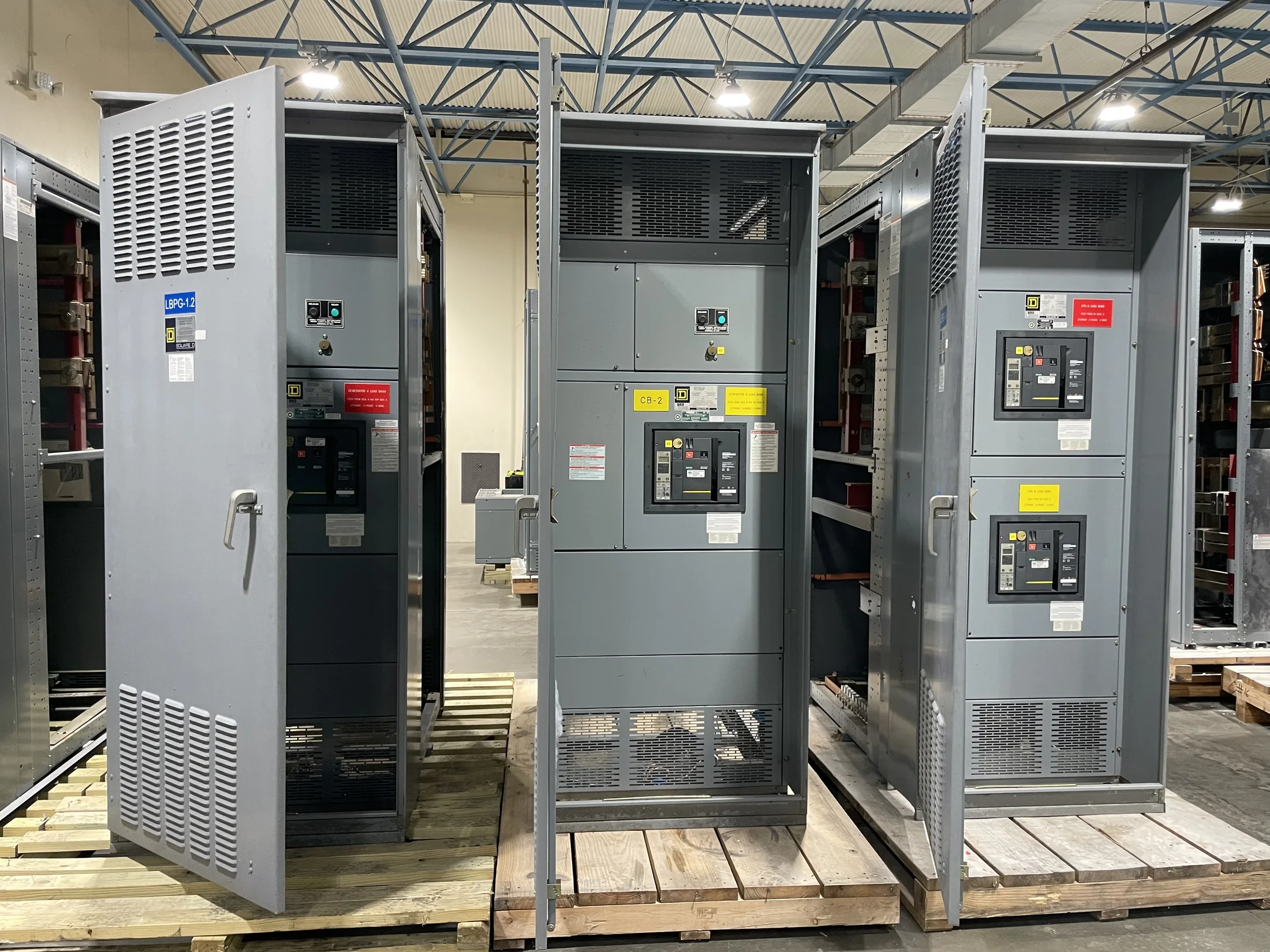
Arc-resistant gear is designed and tested to manage the effects of an internal arcing fault under specified conditions. An arc flash study models a particular electrical system to estimate incident energy and other hazards at selected work locations. One concerns equipment behavior; the other concerns system-specific exposure.
Neither substitutes for the other. A qualifying equipment design does not establish incident energy at every point in a facility, and a study does not make ordinary equipment arc-resistant. Project teams should define both needs separately and have the responsible electrical engineer coordinate equipment selection with the system assessment.
What an Arc-Resistant Rating Actually Means
Arc-resistant construction is associated with defined design and test criteria for containing and directing arc-fault effects away from designated areas, when installed and configured as evaluated. The applicable standard, accessibility type, fault-current conditions, clearing time, and lineup arrangement matter. These details should be confirmed for the proposed equipment, not assumed from a general product description.
A rating is not a promise that injury or equipment damage cannot occur, nor does it cover every conceivable fault or installation condition. Doors, barriers, pressure-relief paths, room clearances, cable spaces, and adjacent construction can affect the intended arrangement. Obtain the manufacturer’s documentation and review its limits against the project layout.
What an Arc Flash Study Calculates
An arc flash assessment uses the electrical network model, available fault current, protective-device characteristics, equipment configuration, and working-distance assumptions to evaluate incident energy and arc-flash boundaries at specified buses or work points. Results can vary with operating modes, utility contribution, transformer data, motor contribution, and protective-device settings.
The study is only as useful as its inputs and scope. Missing one-line information, outdated settings, or unmodeled alternate feeds can change calculated results. The responsible engineer determines the study method, assumptions, labels, and review needs; equipment suppliers can provide relevant design and device information but do not replace that engineering work.
How the Two Can Work Together
A facility may specify arc-resistant switchgear while also commissioning an arc flash study. The equipment choice can address internal-fault exposure for defined access conditions, while the study evaluates hazards at the equipment and elsewhere in the distribution system. The findings may inform operating procedures, protective-device coordination, maintenance planning, and equipment specifications.
The study may identify high incident-energy values that prompt evaluation of settings, relaying, remote operation, or equipment alternatives. Any change must preserve coordination, protection, and system performance. Arc-resistant construction alone does not justify a particular label value, work method, or reduction in personal protective equipment; those decisions belong to qualified safety and engineering processes.
Configuration and Installation Conditions to Verify
When considering arc-resistant gear, confirm the required voltage class, continuous and short-circuit ratings, lineup dimensions, breaker arrangement, access classification, and tested configuration applicable to the project. Also identify cable entry, rear or front access, room dimensions, ventilation, and any barriers or pressure-relief routing that could affect installation.
The proposed lineup must match the conditions supporting the documented design and test basis. Changes to compartment arrangement, adjoining equipment, mounting, or exhaust path may require review. Distinguish low-voltage switchgear, low-voltage switchboards, and medium-voltage equipment in the specification; UL 891 applies to switchboards, not medium- or high-voltage equipment.
Information Needed for an Equipment Quote
For a useful quote, provide the one-line diagram, voltage and phase, service and feeder requirements, available fault-current information, protective-device preferences, and required ratings. Include indoor or outdoor location, enclosure and access needs, cable entry direction, space constraints, environmental conditions, and the intended application of the lineup.
If arc-resistant construction is requested, identify the required standard or performance basis, accessibility conditions, system fault-current and clearing-time information, and any project-specific layout constraints. Provide the specification and schedule, plus the delivery destination and project timing. The manufacturer can review custom fabrication and equipment options without promising an unverified rating or configuration.
Coordinate Study Inputs With Equipment Selection
Early coordination helps prevent a mismatch between the modeled system and the equipment ultimately supplied. Share available utility data, transformer nameplate information, existing protective-device details, operating configurations, and the study engineer’s equipment assumptions. Confirm who will furnish final device data, settings, and technical submittals for the assessment.
For new equipment, review how proposed breakers, trip units, relays, and control schemes fit the study model and project coordination requirements. The utility, responsible engineer, and authority having jurisdiction may need to review applicable design decisions. Final settings and labels should reflect the installed system and be verified through the project’s engineering process.
Make the Specification Match the Project
The practical decision is not simply whether to buy arc-resistant gear or obtain a study. Determine the exposure concerns, equipment access patterns, system configuration, and applicable codes or owner requirements, then assign each task to the qualified party. Ask suppliers for documented equipment scope and engineers for study scope, assumptions, and deliverables.
A U.S. manufacturer building new switchgear and power distribution equipment with American components can review project requirements, provide custom fabrication, and ship nationwide, including to Ohio. Lead times depend on configuration and current project conditions. Verify the proposed design, documentation, schedule, and installation requirements before release; have the responsible engineer and AHJ review where applicable.