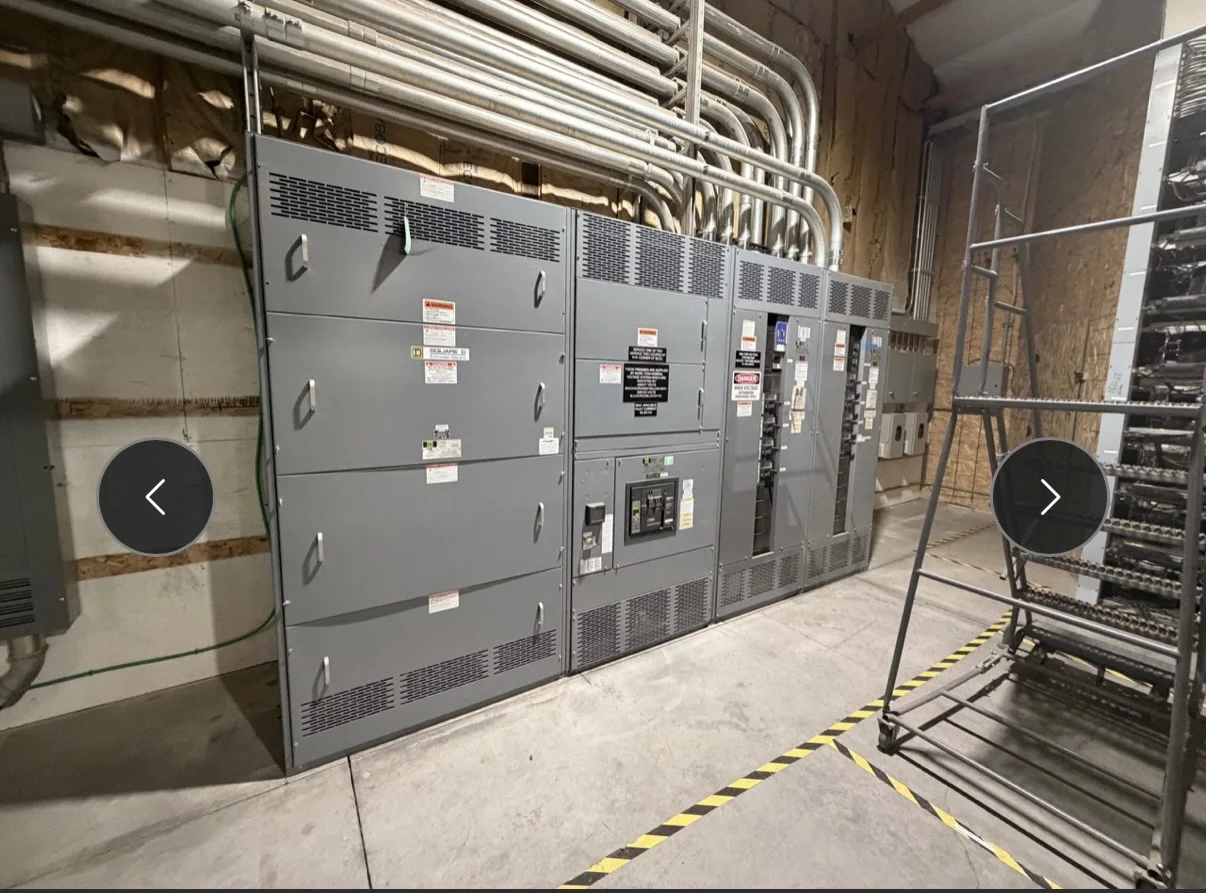
The study belongs to the facility’s responsible party
The facility owner or operator typically initiates an arc flash study because it is responsible for safe electrical operation, access to records and coordination with site personnel. A project engineer, engineering consultant or in-house electrical group may manage the work, depending on staff qualifications and the study’s complexity.
The party commissioning the study should define its purpose: a new installation, an update after system changes, maintenance planning, or review of existing labels and procedures. That decision sets boundaries for the analysis. The study should not be treated as a generic equipment document or assumed to cover every connected system.
A qualified engineer performs the technical analysis
A qualified electrical engineer with relevant power-system analysis experience should develop or direct the study. The required competence includes understanding short-circuit calculations, protective-device characteristics, coordination, arc-flash methods, and the limits of available data. Professional licensure may be appropriate or required by project conditions and jurisdictional rules.
The engineer must exercise judgment, not simply enter equipment names into software. They establish the model, select applicable calculation methods and assumptions, review results, and explain limitations. The facility’s responsible engineer should confirm who has authority to approve design decisions and who will own the final study and its revisions.
Separate engineering responsibility from equipment supply
A switchgear or switchboard manufacturer supplies equipment information needed for a system model, such as drawings, nameplate data, protective-device details and available ratings for the specified build. That information supports the study, but supplying equipment does not by itself make the manufacturer the study’s author or the facility’s electrical engineer.
When requesting a study alongside new distribution equipment, identify whether the scope includes field data collection, system modeling, calculations, labels, recommendations, or only equipment documentation. These are different deliverables. Confirm them in writing with the engineering provider, equipment supplier, contractor and owner to prevent gaps or duplicated assumptions.
Build the model from verified system configuration
The study engineer needs a one-line diagram showing sources, transformers, buses, feeders, generators, ties and significant loads. Provide voltage levels, conductor lengths and sizes, transformer impedances, grounding arrangements, and normal and alternate operating configurations. Mark normally open points and explain which devices can change the available fault current.
Equipment configuration matters at each analysis point. Identify enclosure and bus arrangements, main and feeder protective devices, trip-unit types and settings, fuses, and any current-limiting or maintenance-mode functions. Confirm what is installed rather than relying on an old drawing; a field survey may be necessary when records are incomplete or modifications are undocumented.
Gather utility and protective-device information
Ask the utility for source information applicable to the service point, including available fault-current data and relevant transformer details when provided. The engineer needs to know service voltage, transformer ownership, grounding, and whether multiple utility configurations are possible. Utility values and operating arrangements can change, so confirm the basis and date of the information.
Collect manufacturer, model, sensor or rating-plug details, trip settings, and time-current data for overcurrent devices. Include upstream and downstream protection, because clearing time affects incident-energy calculations. If data cannot be verified, the engineer should document assumptions and determine whether conservative modeling, additional investigation, or a revised scope is warranted.
Agree on boundaries, methods and deliverables
A quote is more useful when it identifies the facilities, voltage classes, equipment lineup, locations, and operating cases included. Clarify whether the work covers an existing installation, proposed equipment, or both; whether a site visit is expected; and who will provide drawings, device data, access, and escort support.
Ask the engineering provider to state the standards and calculation approach used, the assumptions requiring owner confirmation, and the deliverables included. These may include a model, study report, recommendations, and equipment labels, but none should be presumed. Review proposed boundaries with the responsible engineer and, where relevant, the authority having jurisdiction.
Resolve design and data limits before relying on results
Incomplete records, unknown device settings, undocumented field changes, or utility data that is unavailable can limit confidence in a result. The engineer should flag such constraints and explain their effect rather than presenting assumed inputs as verified facts. The owner can then authorize a survey, testing, record retrieval, or a scoped assumption.
New switchgear design choices can also affect the model: service arrangement, bus configuration, protective-device selection, transformer source, and tie operation all matter. Confirm project-specific ratings, construction, and device data for the proposed equipment. Have the electrical design reviewed by the responsible engineer, utility and AHJ where applicable.
Keep the study current after project changes
An arc flash study is tied to the modeled system, not permanently to a room or equipment name. Changes to utility service, transformers, conductors, protective devices, settings, generator operation, or tie status may alter fault levels or clearing times. Assign an owner to notify the study engineer when changes are planned or completed.
For a study associated with new equipment, provide approved submittals and final device settings when available, then confirm whether the engineer’s scope includes updating the model for as-built conditions. A U.S. manufacturer can supply custom-fabricated new distribution equipment, relevant build information, and nationwide shipping; the study’s engineering scope remains a separate project decision.