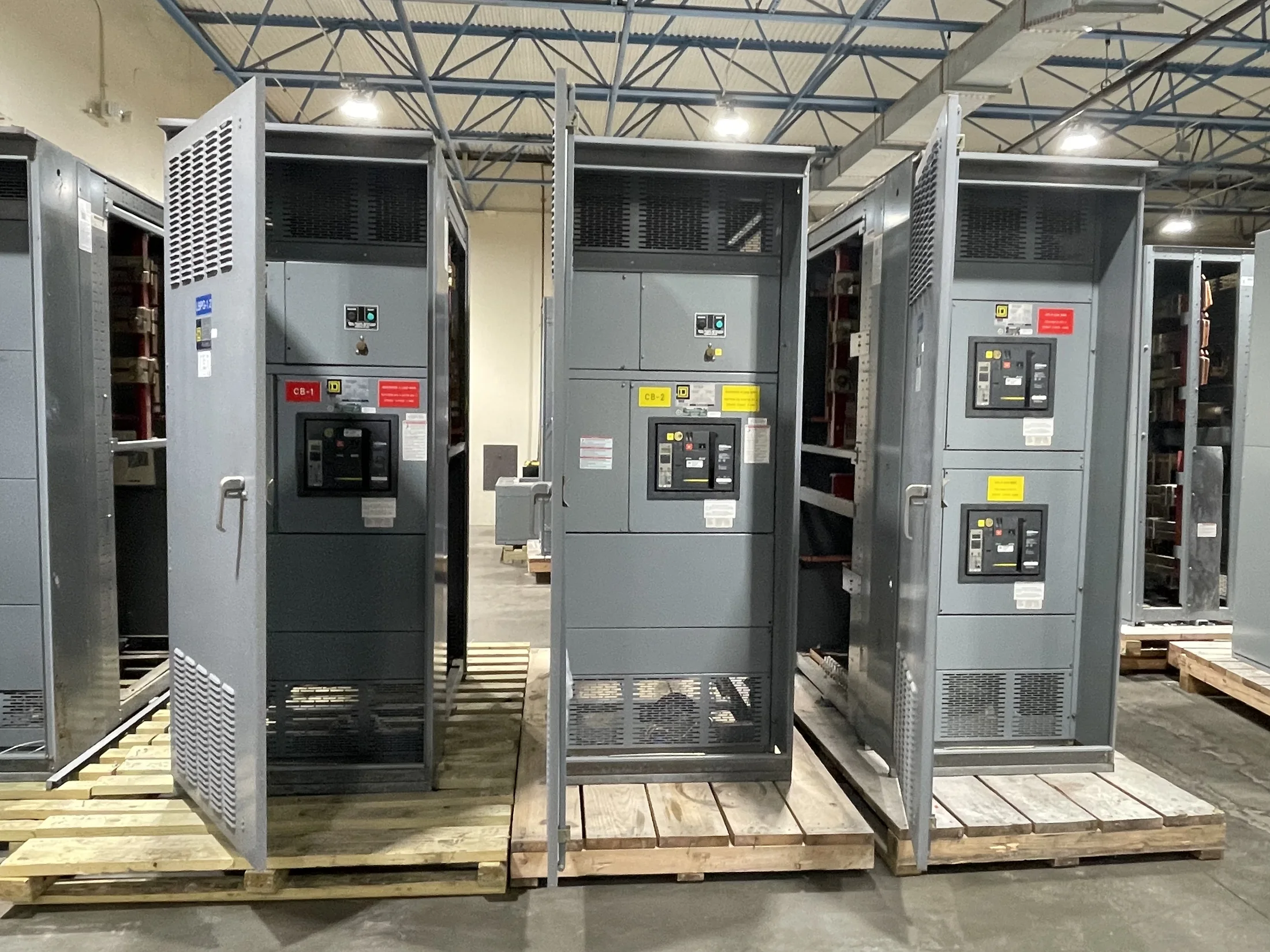
What “Buy Direct” Means for Switchgear
A search for a switchgear equipment distributor may reflect a need for product selection, pricing, availability, or help coordinating a project. Buying direct means purchasing newly manufactured equipment from the manufacturer rather than through a resale channel. It does not change the need for sound engineering, suitable specifications, or required project approvals.
Direct communication can help clarify which details must be settled before equipment is built. The manufacturer can discuss available configurations and custom fabrication against project requirements, while the buyer remains responsible for confirming that the proposed equipment aligns with the electrical design, site conditions, and procurement documents.
When a Manufacturer Is the Right Purchasing Contact
Direct sourcing can suit contractors, engineers, facility owners, and industrial buyers who have a defined scope or need a purpose-built assembly. It can also help when a project requires coordination on enclosure dimensions, device arrangement, incoming and outgoing connections, or other construction details that affect how the equipment fits the installation.
A distributor may still be useful where a project relies on a particular procurement process, local inventory, or bundled services. Compare the actual scope, not just the channel: confirm who is responsible for design information, submittals, delivery coordination, field work, and issue resolution before deciding how to purchase.
Identify the Equipment Class Before Requesting Pricing
Use the project one-line diagram and specifications to identify the intended equipment. UL 891 switchboards are not the same category as UL 1558 low-voltage switchgear. Medium-voltage equipment is a separate class with different design and application considerations; UL 891 does not cover medium- or high-voltage equipment.
If the documents use “switchgear” broadly, ask the engineer of record to clarify the required class, voltage, and equipment function before seeking a quote. Misidentifying the assembly can lead to pricing that does not match the design, protection scheme, utility requirements, or installation plan.
Define the Configuration Around the Electrical Design
A useful inquiry describes the intended service and distribution arrangement: system voltage and phase, available fault-current information, main and feeder requirements, and the loads served. Identify the one-line drawing revision and applicable project specifications. Treat ratings and construction details as project-specific items to confirm, not assumptions based on a product label.
Also note constraints that influence the physical build, such as indoor or outdoor location, mounting arrangement, available working space, cable entry direction, and room access. Confirm dimensions, environmental conditions, and any requested metering, control, or communications provisions with the responsible engineer and manufacturer before approval.
Prepare a Quote Request That Can Be Evaluated
Send the one-line diagram, equipment specification, panel schedules or load information, and relevant site drawings when available. Include the requested equipment class, quantity, required submittal expectations, delivery destination, and desired schedule. State whether the inquiry is budgetary or for a defined bid, and identify any unresolved design questions.
A clear request also identifies the purchaser and project contacts, the party approving technical submittals, and the expected order process. If documents conflict, flag the discrepancy rather than choosing a value informally. The manufacturer can then identify information needed to develop a configuration and quote that can be reviewed against the project.
Review Standards, Ratings, and Project Conditions
Do not infer a particular listing, certification, interrupting rating, or performance capability from a general equipment description. Confirm the applicable standard and the exact requirements for the proposed build in the project documents. The responsible engineer should verify coordination, protection, system compatibility, and any specified short-circuit or environmental criteria.
Utility service rules, adopted electrical codes, and authority having jurisdiction requirements can affect equipment selection and installation. Where applicable, have the design reviewed by the utility and AHJ, in addition to the responsible engineer. Resolve approval questions early, since they may affect configuration, documentation, or the project schedule.
Coordinate Submittals, Fabrication, and Delivery
Before order release, review the quotation and technical submittals for scope, quantities, configuration, exclusions, and open items. Check that revisions match the current drawings and that all requested options are explicitly addressed. Confirm responsibilities for any drawings, approvals, or information required before fabrication begins.
The manufacturer builds equipment in the U.S. with American components, offers custom fabrication, and ships nationwide. Short lead times may be available, but timing depends on the build and project conditions; confirm the current schedule directly. Coordinate shipping destination, receiving access, unloading arrangements, and the sequence needed for installation.
Make the Purchase Decision on Scope and Fit
Compare direct and distributor proposals on equivalent technical scope, documentation, delivery terms, and responsibilities. A lower initial figure may omit options or project services, while different quotations may assume different drawings or ratings. Ask for clarification in writing so procurement and engineering evaluate the same equipment and boundaries.
Once the selection is approved, keep the accepted configuration and drawing revisions aligned across the purchase order, submittals, and installation planning. Direct buying is most effective when project information is complete and decisions are coordinated. If requirements change, document the revision and confirm its effect on the build and schedule.