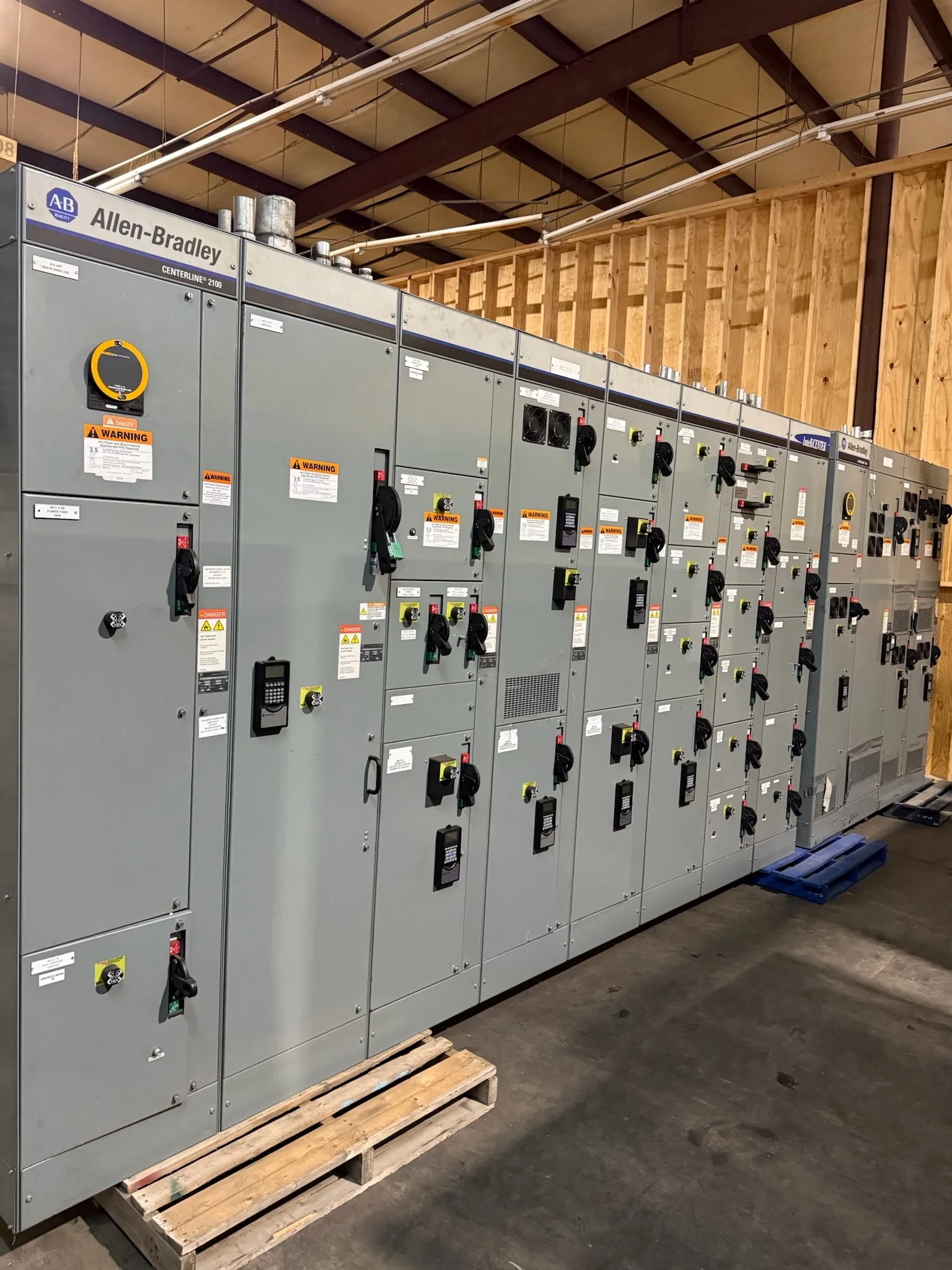
Read the Exclusions Alongside the Equipment Scope
Start by matching the quoted equipment description to the one-line diagram, specifications, and requested operating arrangement. Confirm voltage class, ampacity, interrupting or withstand requirements, enclosure, incoming and outgoing connections, metering, protection, and accessories. A list of exclusions is meaningful only when the included equipment configuration is clear.
Ask the manufacturer to identify assumptions that shape the quoted build, such as cable entry, compartment arrangement, control voltage, or future provisions. If drawings or specifications changed after pricing, request a revised scope and exclusions. Do not assume a general note includes a feature not expressly described in the quote.
Separate Factory Scope from Field Labor
Quotes commonly distinguish manufacturing and factory assembly from unloading, setting, anchoring, joining sections, terminating conductors, and commissioning at the site. Confirm which activities are included, where the manufacturer’s responsibility ends, and whether field supervision or technical assistance is offered as a separate service. Assign installation labor in the project documents.
Field requirements depend on the equipment lineup, room access, installation sequence, and contractor scope. Verify who provides rigging, lifting equipment, anchorage, bus connections between shipping sections, and cable terminations. Confirm whether the quote includes installation drawings or only product submittals; plan field labor with the electrical contractor and responsible engineer.
Identify Studies That Are Not Included
Short-circuit, coordination, arc-flash, and other system studies may be excluded even when their results inform equipment selection or settings. Determine which studies the project requires, who will prepare them, and what source data that party needs. Equipment ratings and protective-device choices must be checked against the actual system, not inferred from a quote.
Provide available utility fault-current data, transformer information, conductor lengths and sizes, grounding details, and protective-device schedules to the study provider. Confirm whether settings, labels, or study recommendations are deliverables under another contract. The responsible engineer should reconcile study conclusions with the equipment specification and applicable project requirements before release or energization.
Make Site and Building Work Explicit
Site work exclusions can cover foundations, housekeeping pads, structural supports, penetrations, firestopping, trenching, conduit, cable, and room modifications. Compare equipment dimensions, section weights, access clearances, and cable entry requirements with the building design. Establish who verifies floor capacity and provides openings or pathways before fabrication details are approved.
Environmental and access conditions also affect installation planning. Confirm specified indoor or outdoor location, ambient conditions, elevation, ventilation, working space, and exposure to moisture or contaminants against the project requirements. Do not presume the quote includes HVAC, drainage, weather protection, or building-code work. Have the design team resolve site interfaces before shipment scheduling.
Clarify Utility and Authority Responsibilities
Utility charges and utility-controlled work are typically separate from equipment pricing. Identify responsibility for service applications, fees, metering requirements, transformer or service changes, utility-side conductors, inspections, and scheduled outages. Requirements vary by utility and project; obtain the serving utility’s current service conditions rather than relying on a generic equipment quotation.
For service entrance equipment, confirm the proposed arrangement, metering compartment needs, points of connection, and required approvals with the utility and authority having jurisdiction. The quote does not itself establish acceptance of a design. The responsible engineer should coordinate utility criteria, applicable codes, and AHJ review before finalizing drawings and equipment details.
Check Testing, Documentation, and Startup Boundaries
Distinguish factory production checks and included documentation from project-specific testing, field acceptance testing, commissioning, and startup. Ask what inspections or records are part of the quoted supply, and list any requested procedures, witness points, or reports. Confirm whether third-party testing is required and who contracts and coordinates that work.
Submittals may include drawings and equipment data, while studies, coordination settings, operation training, or as-built records may fall elsewhere. Define required documents, formats, review dates, and approval sequence in the purchase scope. UL 891 switchboards, UL 1558 low-voltage switchgear, and medium-voltage equipment are distinct categories; confirm the specified equipment standard and applicable build details.
Turn Each Exclusion into an Assigned Action
Create a responsibility matrix that names an owner, due date, and deliverable for every exclusion relevant to the project. Include the owner, engineer, contractor, manufacturer, utility, and testing provider as appropriate. Mark items as included, excluded, by others, or unresolved; vague phrases such as “by customer” need a named party and defined scope.
Prioritize interfaces that can delay submittal approval or installation: final system data, utility criteria, room readiness, cable schedules, device settings, and site access. Ask bidders to clarify ambiguous language in writing and incorporate agreed changes into the purchase documents. This makes comparisons more reliable than judging quotes by equipment price alone.
Provide Complete Information Before Ordering
A useful request for quotation includes the one-line diagram, equipment specification, load and fault data, utility requirements, site conditions, shipping constraints, and desired submittal schedule. Identify deviations, options, and required accessories, then ask the manufacturer to state assumptions and exclusions against that package. Missing inputs can lead to mismatched scope or later clarification.
Before authorization, review the final equipment schedule, commercial scope, delivery terms, and responsibility matrix together. Confirm any custom fabrication, connection details, and project-specific documentation in writing; lead times depend on configuration and approval timing. A U.S. manufacturer can build new equipment with American components, custom fabrication, and nationwide shipping, subject to confirmed project requirements.