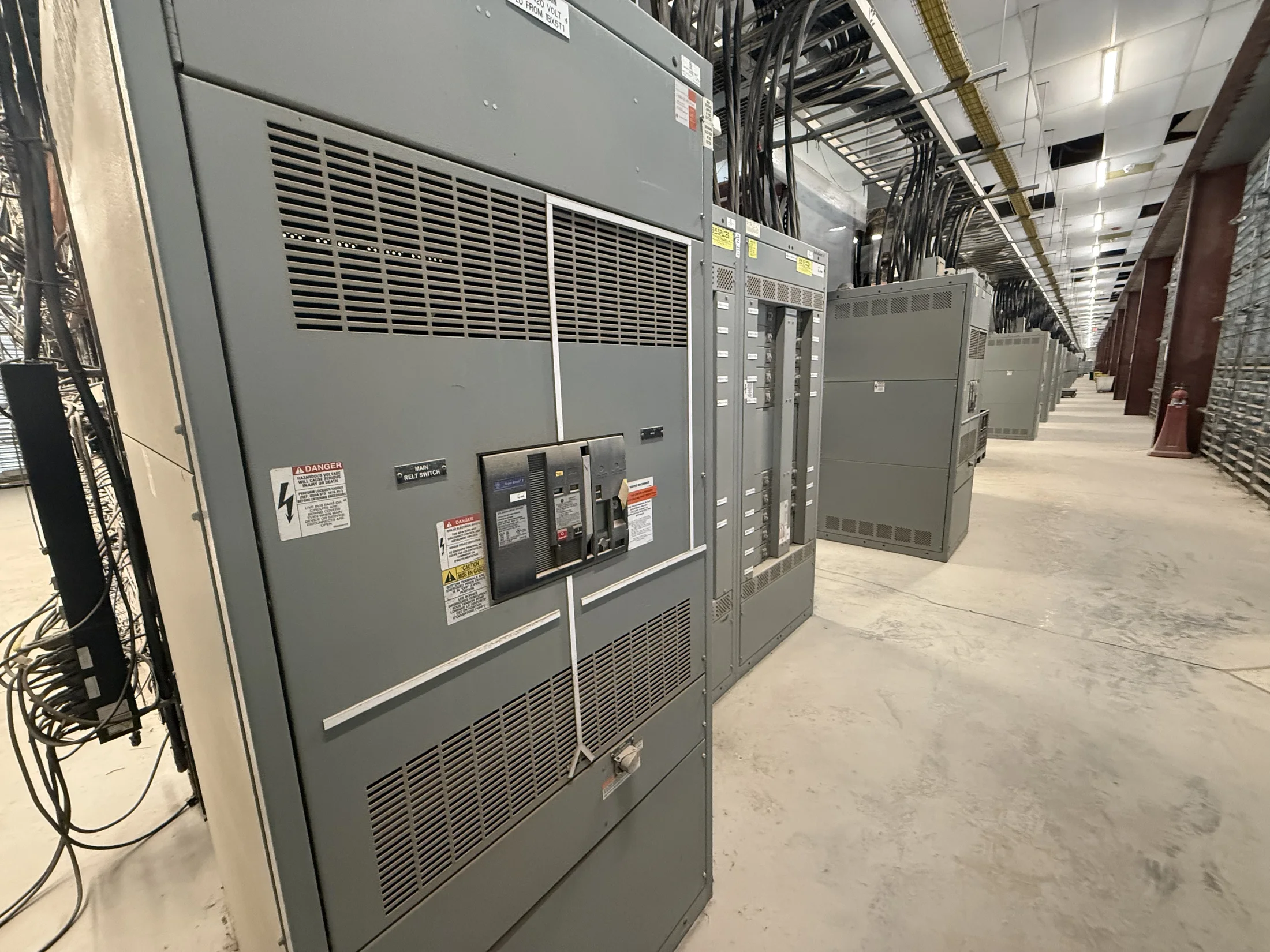
Start with the Electrical Application
Define what the equipment must do before comparing manufacturers. Identify the source, voltage level, system grounding, available fault current, connected loads, and whether the assembly serves service entrance, distribution, generator, or process equipment. These details determine which equipment class and construction approach are appropriate.
Also describe operating conditions: indoor or outdoor location, ambient temperature, elevation, dust, moisture, corrosive exposure, and access limitations. A manufacturer needs these conditions to evaluate enclosure and layout options. Confirm unusual environmental requirements with the responsible engineer rather than assuming a standard enclosure addresses them.
Distinguish Switchboards, Low-Voltage Switchgear, and Medium Voltage
Product terminology can obscure important differences. UL 891 applies to switchboards; UL 1558 applies to low-voltage switchgear. They are distinct equipment categories, with construction and application considerations that should be checked against the project design. Neither standard should be presented as covering medium- or high-voltage equipment.
For medium-voltage distribution, identify the system voltage and switching, protection, and operating requirements separately. Ask each prospective manufacturer to state the equipment category and applicable standards for the proposed assembly. Have the engineer, utility, and authority having jurisdiction review the selection where their requirements apply.
Check Ratings Against the System Study
Compare proposed voltage, continuous current, short-circuit ratings, and protective-device arrangements with the project documents. Available fault current and the required withstand or interrupting capability are not interchangeable concepts; the responsible engineer should confirm the relevant ratings and coordination using current system information.
Ask how the manufacturer will document the proposed configuration and what inputs are needed to verify it. Do not treat a catalog rating as proof that a complete lineup suits the installation. Confirm service conditions, source characteristics, breaker selection, and any required arc-flash or coordination study with the project team.
Compare Layout and Functional Configuration
A useful comparison includes the lineup arrangement, incoming and feeder sections, bus configuration, metering, controls, and provisions for future circuits. Ask whether the proposed design accommodates cable entry, termination space, conduit routes, working clearances, and equipment-room dimensions shown on the drawings.
Consider operation and maintenance in the actual facility. Clarify access to breakers and compartments, preferred instrument locations, interlocking needs, and whether the project calls for drawout or fixed devices. These choices affect design and footprint; they should be specified and reviewed, not assumed to be included.
Evaluate Custom Fabrication and Integration
Industrial projects often require a lineup coordinated with transformers, generators, automatic transfer equipment, controls, or monitoring systems. Ask prospective manufacturers how they handle interfaces, terminal points, control wiring, and dimensional coordination. Provide one-line diagrams, schematics, equipment schedules, and relevant interface requirements for a meaningful review.
A U.S. manufacturer building with American components may offer custom fabrication and short lead times, but schedule and scope depend on the specific design, component availability, and approvals. Request a project-specific schedule and clearly identify customer-furnished devices, field connections, and work by other parties.
Review Documentation and Project Coordination
Compare what each quotation includes for submittal drawings, wiring information, bills of material, operating documents, and revision handling. Establish who reviews and approves drawings, how comments are resolved, and when fabrication may proceed. Documentation should match the contract scope and the facility’s turnover needs.
Confirm responsibility for coordination with the utility, engineer, contractor, and AHJ. Site-specific requirements can affect service equipment, metering, labeling, clearances, and installation. Ask the manufacturer to identify assumptions or exclusions in writing so the buyer can resolve them before release rather than discovering gaps during installation.
Prepare Complete Information for a Quote
A quote request is stronger when it includes the one-line diagram, load schedule, system voltage, source and fault-current data, grounding method, and required ratings. Add breaker and fuse preferences, metering and control points, enclosure conditions, cable-entry direction, and available room dimensions where known.
State the project location, required delivery point, target dates, applicable specifications, and requested documentation. Identify options that are mandatory versus alternates, and flag information still pending. Manufacturers can then distinguish confirmed requirements from assumptions and explain what engineering decisions are needed to finalize scope and pricing.
Compare the Complete Offer, Not Just Price
Evaluate quotations line by line for equipment scope, ratings, included devices, engineering deliverables, exclusions, and schedule assumptions. A lower initial figure may omit required options or leave interfaces unresolved. Ask bidders to clarify differences using the same project documents and a consistent list of requested alternates.
For Ohio facilities and projects elsewhere in the United States, consider manufacturing capability, custom-build coordination, and shipping arrangements alongside technical fit. A supplier serving customers nationwide should confirm the destination, delivery constraints, and responsibilities for unloading and installation. Have the responsible engineer verify the final design before purchase and release.