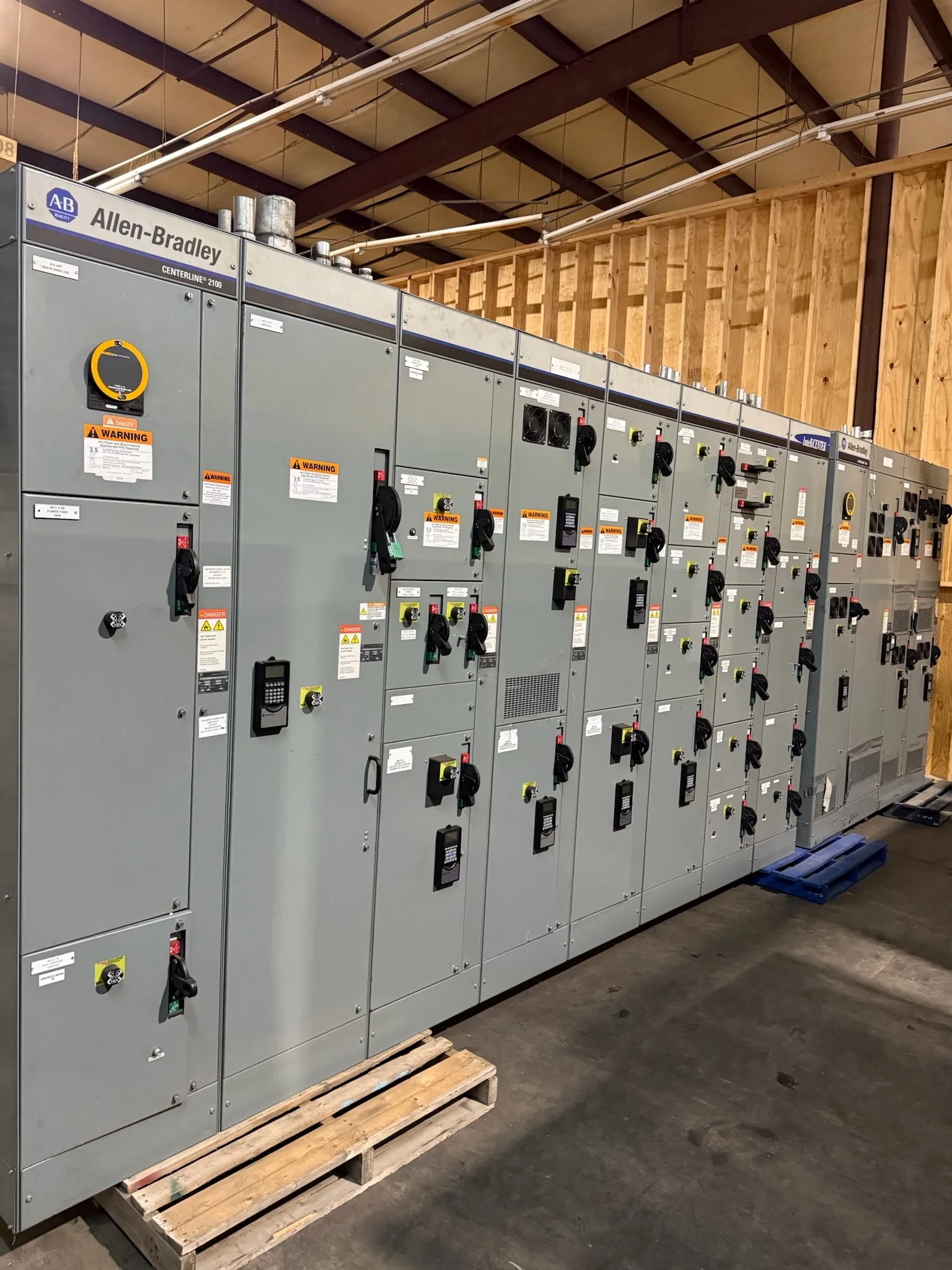
A direct route from project needs to new equipment
Searching for a switchgear manufacturer near you is often about more than distance. Ohio project teams need a supplier who can discuss the one-line diagram, operating conditions, schedule, and delivery plan with the people building the equipment. Working directly with a manufacturer can make those conversations more focused from initial scope through submittal review.
We manufacture new switchgear and power distribution equipment in the United States using American components, with custom fabrication available for project-specific requirements. Ohio customers can coordinate with us directly, while equipment can also ship nationwide. A nearby search does not mean a local factory or field service is guaranteed; confirm project logistics and responsibilities early.
Start with the system voltage and equipment role
The first selection is not a brand or enclosure option; it is the equipment’s role in the electrical system. Identify nominal voltage, phase, frequency, source arrangement, load type, and whether the assembly is intended for service entrance, distribution, motor control, or another defined duty. Share the current one-line diagram when available.
Do not treat switchboards, low-voltage switchgear, and medium-voltage equipment as interchangeable terms. UL 891 applies to switchboards; UL 1558 applies to low-voltage switchgear. Medium-voltage equipment is a separate category with its own applicable standards and design basis. The responsible engineer should confirm the correct equipment class and applicable requirements for the installation.
Define ratings and protection from actual project data
A quote needs electrical requirements, not assumptions based on a neighboring facility. Provide system voltage, available fault-current information, main and feeder ratings, load schedule, and required interrupting or withstand capability when established. Identify grounding method and source details, including utility service or transformer information, so the proposed configuration can be reviewed against the system.
Protection and coordination choices depend on the connected system and operating objectives. Specify breaker or fuse preferences only where the design calls for them, and provide relay, metering, communications, and control requirements if applicable. The responsible engineer should verify device selection, coordination, and interrupting ratings; the utility and AHJ may also need to review service-related details.
Choose an arrangement that fits the room and workflow
Physical constraints can determine whether a technically suitable lineup can be installed. Share room dimensions, access routes, door and ceiling clearances, cable entry direction, trench or raised-floor details, and equipment location. Include available working space and any limits on section size or shipping access. Site measurements should be checked before the arrangement is finalized.
Describe how operators and maintenance personnel will use the equipment. Front or rear access, lineup orientation, compartment needs, instrument placement, and provisions for future feeders may affect fabrication. These are project-specific options, not automatic features. Confirm required enclosure type, environmental conditions, and any special construction needs against the site conditions and applicable design documents.
Make custom fabrication concrete and reviewable
Custom fabrication works best when the requested differences are documented clearly. Identify bus arrangement, incoming and outgoing connections, cable or busway interfaces, metering points, control circuits, and preferred component makes where the project specifies them. Attach schedules, drawings, and specification sections, and mark conflicts or open decisions instead of relying on informal notes.
A manufacturer can use that information to develop a proposed equipment scope for technical review. Confirm what drawings, bills of material, and submittals are needed, who reviews them, and how revisions are approved. Do not assume a particular rating, enclosure, listed status, or approval applies to every build; the actual design and project requirements govern.
Prepare a useful request for quotation
For an efficient quote, send the project location, requested delivery window, equipment type, one-line diagram, load and feeder schedules, specification, and any available fault-current study. Include quantity, voltage, main and branch requirements, footprint, cable entry, and required accessories. If information is incomplete, identify what remains pending and who will provide it.
Also clarify commercial and coordination needs: bid due date, submittal milestones, ship-to location, unloading arrangements, and whether the scope includes only equipment or additional services. Short lead times may be available depending on scope, components, and production capacity, but no schedule should be assumed. Request a project-specific estimate and confirm timing before making commitments.
Coordinate delivery to Ohio or another state
A U.S.-built assembly can serve an Ohio facility without requiring the manufacturer to be nearby. We ship new equipment nationwide, and delivery planning should account for shipment dimensions, receiving hours, site access, storage conditions, and the means to unload and move sections. Confirm whether the destination can accept the proposed shipment configuration.
Plan installation interfaces with the electrical contractor and site team before release. Confirm who handles receiving inspection, storage, rigging, assembly, anchoring, and field connections, as these responsibilities depend on the contract. Transportation and site conditions may affect how a lineup is divided or packaged; review those details during drawing approval rather than at delivery.
Keep engineering and approvals in the project loop
Before fabrication, the responsible engineer should compare the proposed equipment documents with the project design, utility requirements, and applicable codes. Confirm service characteristics, fault-current basis, protection coordination, clearances, grounding, and interfaces with transformers, generators, or other sources. The AHJ may have additional review requirements, and utility approval may be needed for service equipment or connections.
Direct access to the manufacturer helps resolve questions about the equipment scope and available configurations, but it does not replace engineering responsibility or site approval. Record approved deviations, unresolved assumptions, and required submittal revisions. When the project basis is clear, Ohio buyers can place an informed order for newly manufactured equipment with delivery coordinated for their site.