Translate the Accepted Scope into a Purchase Description
Start with the approved one-line diagram, specifications, equipment schedules, and written clarifications. The purchase description should identify the equipment type, intended application, nominal system voltage, phase, frequency, and project quantity. Reference controlling document numbers and revisions so the manufacturer can distinguish the accepted basis from earlier bid information.
Describe boundaries as carefully as ratings. State what the equipment includes and identify interfaces or items supplied by others, such as upstream transformers, downstream feeders, remote controls, or field-installed conductors. If documents conflict, list the discrepancy for resolution before release rather than leaving the manufacturer to infer which requirement governs.
Identify the Correct Equipment Class and Configuration
Use precise terminology in the order. A UL 891 switchboard is not interchangeable with UL 1558 low-voltage switchgear; medium-voltage equipment is a separate class with different design and application considerations. Identify the specified class and voltage range, then have the responsible engineer confirm the choice against the project design and applicable codes.
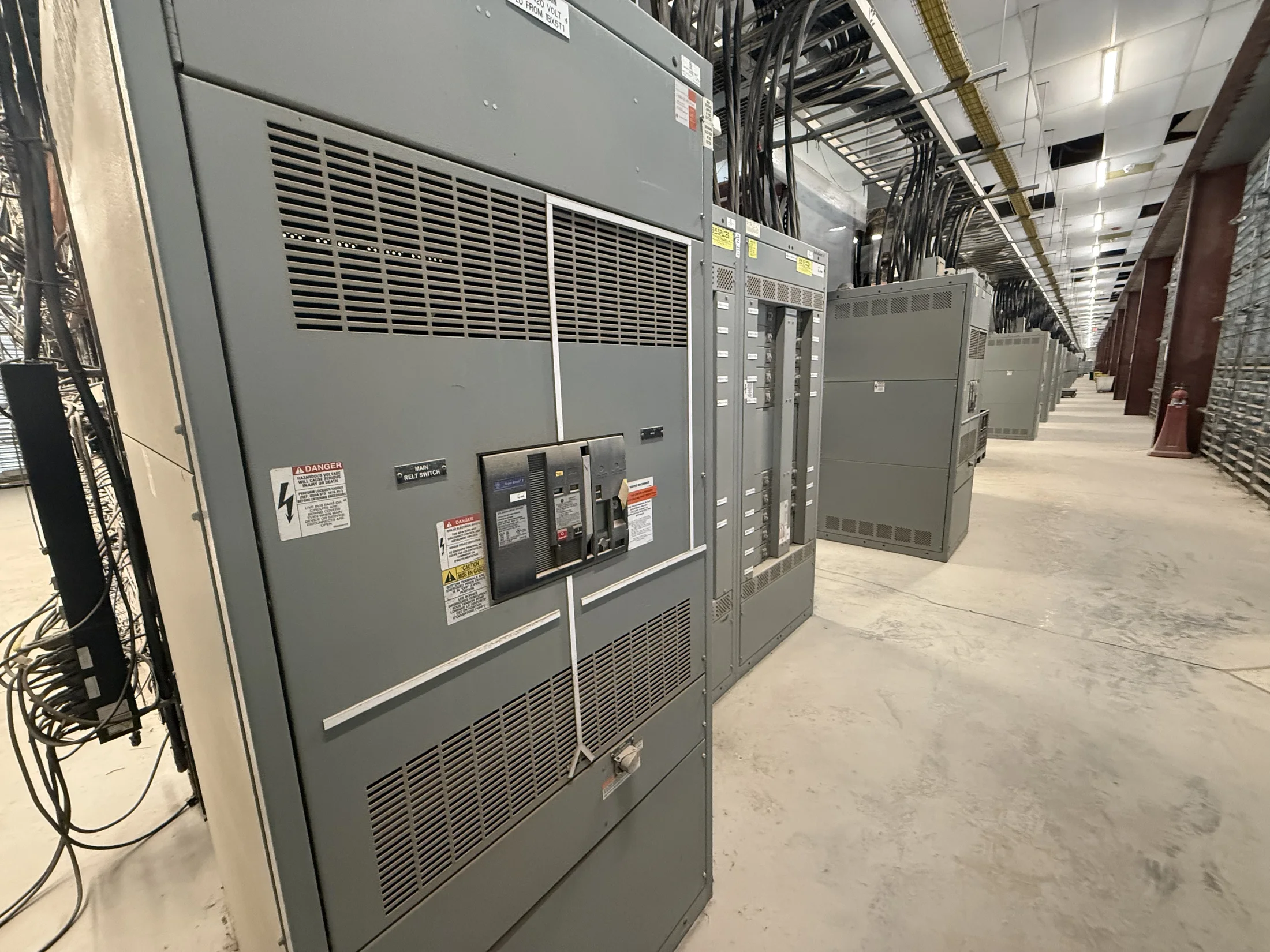
Record lineup arrangement and functional sections: service entrance, mains, ties, distribution, metering, and spare provisions, as applicable. Include breaker or switch types and frame or trip requirements only when established by the accepted design. Confirm compartmentation, access, and maintenance provisions against the specification; do not treat a customary configuration as an approved project requirement.
Make Electrical Ratings and Interfaces Explicit
The order should capture the available fault-current basis and required short-circuit or withstand rating, along with the protective-device coordination assumptions relevant to the equipment. Identify the source and date of the available fault-current information. The responsible engineer should verify rating adequacy and coordination, including any utility data or upstream device changes that affect the design.
Specify conductor entry and exit direction, cable or bus connections, neutral and grounding arrangement, and any required transition sections. Note system grounding method, service conditions, and control-power expectations where they affect configuration. Confirm dimensions and access constraints with the installation drawings; room clearances, conduit locations, and lifting paths can change the practical lineup arrangement.
Define What the Submittal Package Must Contain
List submittals by type, format, and review stage rather than writing only “shop drawings.” Depending on the contract, requirements may include outline and anchorage drawings, elevations, one-line diagrams, wiring diagrams, bills of material, and product data. Identify required file formats, drawing units, title-block data, and the project contact responsible for consolidated review comments.
Set expectations for initial submission, resubmission, and closeout documents, including operation and maintenance information if required. State whether calculations, coordination information, or other supporting documents are contract deliverables, and who provides them. Confirm review durations and release-for-manufacture authorization in the purchase terms; a review stamp should not silently transfer design responsibility.
Resolve Options, Accessories, and Control Scope
Convert each required option into a named, traceable line item or drawing note. Examples include metering, communications interfaces, control wiring, space heaters, indicating devices, and auxiliary contacts when specified. For each, clarify quantity, location, interface, and who supplies associated cables, network settings, or field terminations. Avoid relying on broad phrases such as “complete controls.”
Separate included accessories from exclusions and field work. Identify whether control schematics, terminal blocks, programming, startup assistance, or commissioning are part of the purchase, if applicable to the agreed scope. Confirm compatibility with the specified protective devices and building systems. Any change to functions or interfaces after acceptance should be documented and reviewed for cost, schedule, and design impact.
Set Environmental, Construction, and Site Requirements
Record indoor or outdoor application, ambient conditions, altitude, enclosure requirements, and any project-specific environmental exposures that the manufacturer must consider. Add seismic, corrosion, or special finish requirements only when the contract documents call for them, with the governing criteria clearly identified. The responsible engineer should verify that these requirements match the installation location and project design basis.
Document space limitations, shipping access, floor or housekeeping-pad details, and any restrictions on section size or shipment splits. Confirm whether the equipment arrives assembled or in sections, and specify required lifting or handling information. Coordinate final footprint and connection locations with architectural, structural, and electrical plans before releasing fabrication drawings.
Write Delivery Terms That Can Be Coordinated
State the required delivery location, receiving contact, delivery hours, access constraints, and whether unloading, rigging, storage, or inside placement is included or excluded. Define the requested delivery window and the event that establishes the schedule, such as approved submittals or receipt of required project information. Ask the manufacturer to confirm a project-specific schedule rather than inserting an assumed lead time.
Clarify shipment packaging, carrier coordination, notification requirements, and responsibility for inspecting the shipment at receipt. Identify any phased delivery or site sequencing needs, including dependencies on room readiness. Nationwide shipping is available for newly manufactured equipment; confirm the route, delivery method, and site conditions for the particular order rather than assuming all services are included.
Align Commercial Terms, Changes, and Release
Before issuing the order, reconcile the equipment description with the accepted quotation, exceptions, drawings, and specification revisions. Identify the governing documents and their order of precedence, plus price, taxes, payment milestones, warranty terms, and cancellation or change procedures as negotiated. Requesting a quote requires the same core information: scope documents, ratings, configuration, options, site conditions, and requested schedule.
Use a documented approval path for deviations, substitutions, and post-award changes. Define who may authorize revisions and how resulting price and schedule effects will be recorded. The manufacturer builds new equipment in the United States with American components, offers custom fabrication and short lead times, and ships nationwide; confirm applicability and timing for the specific configuration. Have the responsible engineer, utility, and AHJ review relevant design and service requirements.