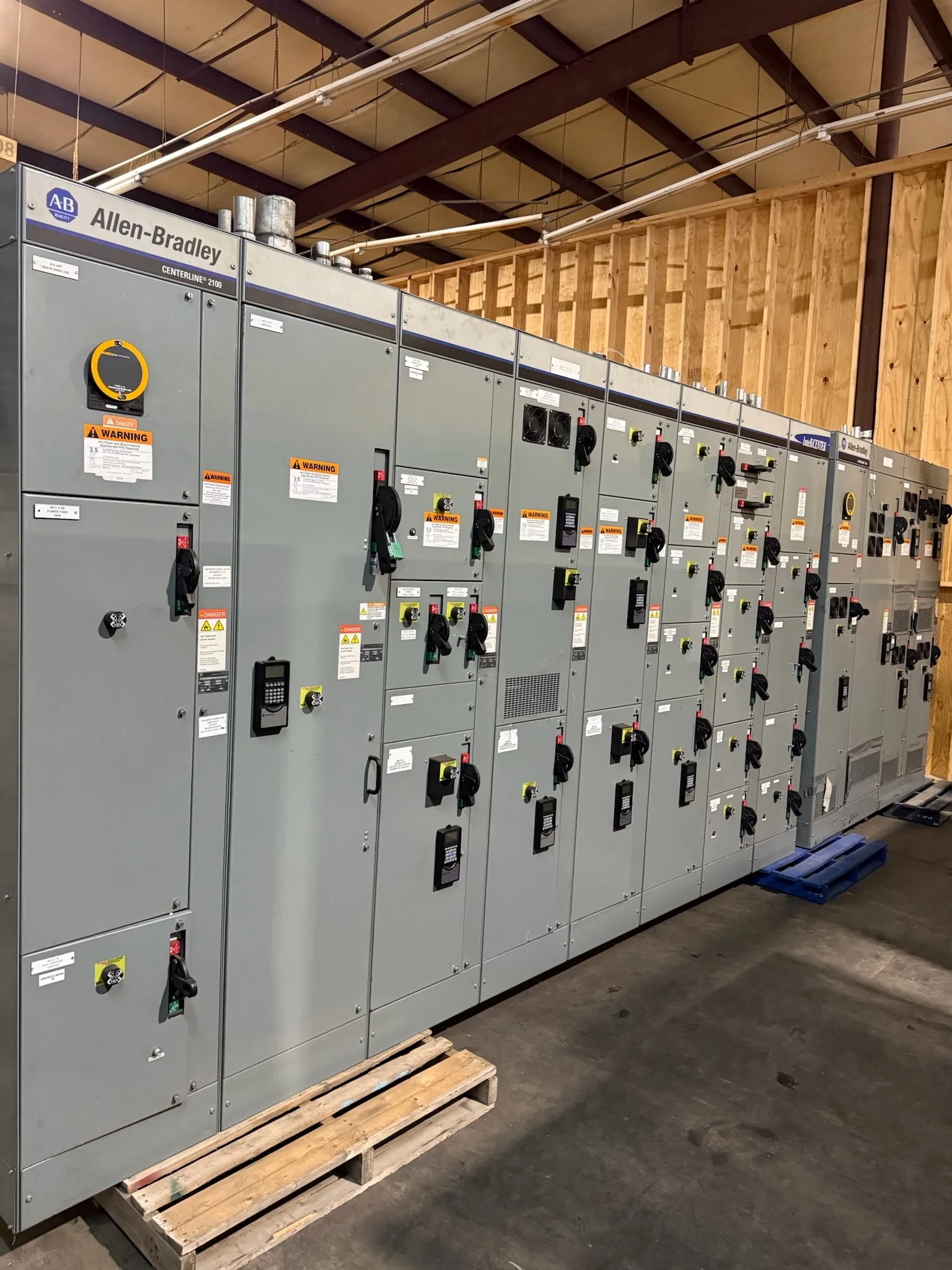
Start With the Equipment Scope
Long-lead planning begins with a defined equipment scope, not a generic delivery estimate. Identify whether the project calls for a UL 891 low-voltage switchboard, UL 1558 low-voltage switchgear, or medium-voltage equipment. These are distinct product categories with different construction and application requirements; UL 891 does not cover medium- or high-voltage equipment.
Share the one-line diagram, service voltage, available fault-current information, system grounding, and required ampacity when requesting a quote. Include the number and type of incoming, feeder, tie, and metering sections. A preliminary bill of materials can help flag components that need early availability review, while the responsible engineer confirms the design basis.
Identify Components That May Constrain Timing
Availability depends on the specified build and current supply conditions. Potential schedule dependencies can include circuit breakers, protective relays, meters, instrument transformers, bus materials, control devices, and specialized enclosures. Their relevance varies by equipment type and design; no individual item should be assumed to dictate every project’s schedule.
Ask which specified parts require confirmation before design release or fabrication planning. Where substitutions are being considered, identify acceptable manufacturers, functions, ratings, interfaces, and approval requirements in advance. A replacement should not be treated as equivalent solely because it is available; engineering review must account for coordination, dimensions, control wiring, and applicable listing requirements.
Provide Complete Electrical and Physical Requirements
Incomplete project information can delay a reliable availability review. Provide system voltage, frequency, continuous load, short-circuit requirements, enclosure environment, and any known utility service conditions. For breaker applications, share trip-unit and protection needs, including relevant coordination criteria. Confirm whether metering, communications, ground-fault functions, or arc-energy reduction features are required.
Physical constraints matter as well. Send room dimensions, access routes, installation location, cable entry direction, conduit or busway interfaces, and working-space considerations. Note seismic, environmental, or special construction requirements if applicable. These details help establish a buildable configuration and can reveal conflicts before components are committed or equipment dimensions are finalized.
Treat Protection and Controls as Design Dependencies
Protection and control choices can affect both component selection and engineering sequence. Document relay functions, trip-unit requirements, sensing arrangements, control voltage, interlocking logic, and communications protocols. If the project requires integration with an existing system, provide relevant interface details and identify who will approve settings, wiring diagrams, and network requirements.
Do not defer these decisions when they affect breaker frames, instrument transformers, control power, or section layouts. The responsible engineer should verify device application and protection coordination using project-specific system data. Utility requirements and authority having jurisdiction review may also affect the final design. Requested functions and approvals should be distinguished from features confirmed for a particular build.
Separate Design Approval From Material Planning
A supplier can review component availability while drawings and technical details are being developed, but preliminary review is not a promise of a delivery date. Establish which documents are needed for approval, who reviews them, and how comments are resolved. Changes to ratings, device selections, or physical interfaces after approval may require renewed sourcing and design checks.
For schedule planning, distinguish quote assumptions, anticipated procurement dependencies, drawing approval, manufacturing release, and site readiness. Confirm what event starts any project-specific schedule discussion and what customer decisions remain open. Avoid basing outage plans or contractual commitments on an unconfirmed component indication; the project team should align estimates with the supplier and installation sequence.
Evaluate Substitutions With Engineering Controls
When a specified component is unavailable or uncertain, consider alternatives through a documented technical review rather than a simple part-number swap. Compare electrical ratings, interrupting and withstand requirements, protection characteristics, physical fit, terminal arrangements, control interfaces, and compatibility with the intended assembly. The acceptable range of alternatives should be set by the project engineer and owner.
A change can affect drawings, coordination studies, maintenance practices, spare-parts plans, or required approvals. Confirm whether the proposed option maintains the intended equipment configuration and any applicable certification or listing conditions. Obtain written approval from the responsible parties before incorporating a substitution. If no acceptable alternative exists, revise procurement or installation sequencing instead of assuming interchangeability.
Coordinate Delivery With Installation Readiness
A component-ready assembly is only one part of an executable project plan. Coordinate anticipated equipment shipment with foundation and housekeeping-pad completion, room access, cable or busway preparation, rigging, and installation labor. For replacement projects, confirm outage windows and temporary power plans with the facility and utility where relevant before setting commitments.
Nationwide shipping can support projects beyond Ohio, but the receiving site still needs a practical logistics plan. Confirm unloading equipment, delivery access, storage conditions, receiving hours, and responsibility for inspection upon arrival. Protect equipment according to supplier handling instructions, and avoid storing it where moisture, dust, or construction activity could compromise it before installation.
Prepare a Quote Package That Supports Review
For a useful new-equipment quote, provide the one-line diagram, equipment schedule, specifications, load and fault data, section lineup, device requirements, and project location. Include preferred equipment category, utility criteria, environmental conditions, interface drawings, and the requested submittal process. Identify bid alternates separately from mandatory requirements so availability questions can be evaluated against clear priorities.
The manufacturer builds new equipment in the United States with American components, offers custom fabrication, and ships nationwide. Project-specific availability and schedule dependencies must still be confirmed against the requested configuration and current conditions. Have the responsible engineer review the proposed design, and coordinate utility and AHJ requirements where applicable before approving equipment for release.