Build the Schedule from Project Milestones
A switchgear delivery date is the result of several linked activities, not a standalone promise. Establish the required in-service date, then work backward through submittal preparation, engineering review, approval, fabrication, inspection or testing, release, and transportation. The sequence and duration depend on the project scope and the decisions still outstanding.
Coordinate the equipment schedule with site readiness and installation planning. Confirm when foundations, electrical rooms, cable routes, access ways, and receiving arrangements are expected to be ready. If construction is phased, identify which lineups or sections must arrive first, and verify that the proposed sequence is practical for installation and system cutover.
Define the Equipment Before Requesting a Schedule
A quote and schedule become more useful when the equipment scope is specific. Identify the system voltage, phase and frequency, bus arrangement, incoming and outgoing feeder requirements, fault-current basis, and intended application. Provide one-line diagrams, load information, available utility data, and applicable project specifications so engineering can evaluate the requested configuration.
Clarify whether the project calls for a UL 891 switchboard or UL 1558 low-voltage switchgear; these are distinct equipment categories, not interchangeable labels. For medium-voltage applications, state the system class and requirements separately. The responsible engineer should confirm equipment type, ratings, protection, and coordination for the actual installation.
Get Submittal Reviews Moving Early
Design approvals can affect the production sequence when drawings or technical questions remain unresolved. At the outset, name the parties responsible for review, identify required submittal documents, and agree on how comments and revisions will be returned. Include the owner, engineer, contractor, and utility when their decisions affect the equipment design or interface.
Review the drawings against project conditions rather than approving them as a formality. Check dimensions, lineup arrangement, cable entry, breaker and metering requirements, control power, communications, and connections to adjacent equipment. Record approved deviations and open questions. A late change to a bus, device, enclosure, or connection can require engineering and material review before fabrication proceeds.
Treat Component Availability as a Schedule Input
Availability of specified breakers, protective devices, meters, controls, and other components can influence the manufacturing sequence. The exact effect depends on the chosen configuration, current supplier conditions, and whether substitutions are permitted. Identify preferred makes or models, required functions, and any project restrictions early enough for a manufacturer to review sourcing options.
Do not assume an alternative component is an automatic schedule solution. Differences in dimensions, interrupting or withstand ratings, trip functions, communications, coordination, or approvals may affect the design. Any proposed substitution should be reviewed by the responsible engineer and other required approvers. Confirm in writing whether a change is acceptable before revising the equipment basis.
Resolve Technical Interfaces Before Fabrication
Switchgear must fit the electrical system and the room in which it will be installed. Confirm available fault current, grounding method, system configuration, required protective-device settings, and connections to transformers, generators, or other sources. Validate these inputs against current utility information and project studies; do not base the final design on unverified assumptions.
Physical and control interfaces also merit early attention. Provide room dimensions, working-space constraints, conduit locations, cable sizes and termination details, environmental conditions, and any seismic or other project-specific criteria for review. Confirm control schematics, interlocks, metering, and communication points with the relevant parties. The engineer, utility, and AHJ should review matters within their authority.
Plan Inspections and Testing Around Requirements
Testing and inspection needs vary by equipment type, contract documents, and project requirements. Determine whether routine factory checks, witness points, documentation, or other specified inspections apply, and identify who must attend or review records. Align these requirements before production so that access, scheduling, and acceptance responsibilities are understood.
Avoid treating a requested test as included or scheduled until its scope and procedure are confirmed with the manufacturer. Clarify notification periods, acceptance criteria, report format, and how unresolved findings will be handled. Testing does not replace field verification, installation checks, or commissioning. The project team should plan those activities separately and coordinate them with energization requirements.
Coordinate Shipping, Receiving, and Site Access
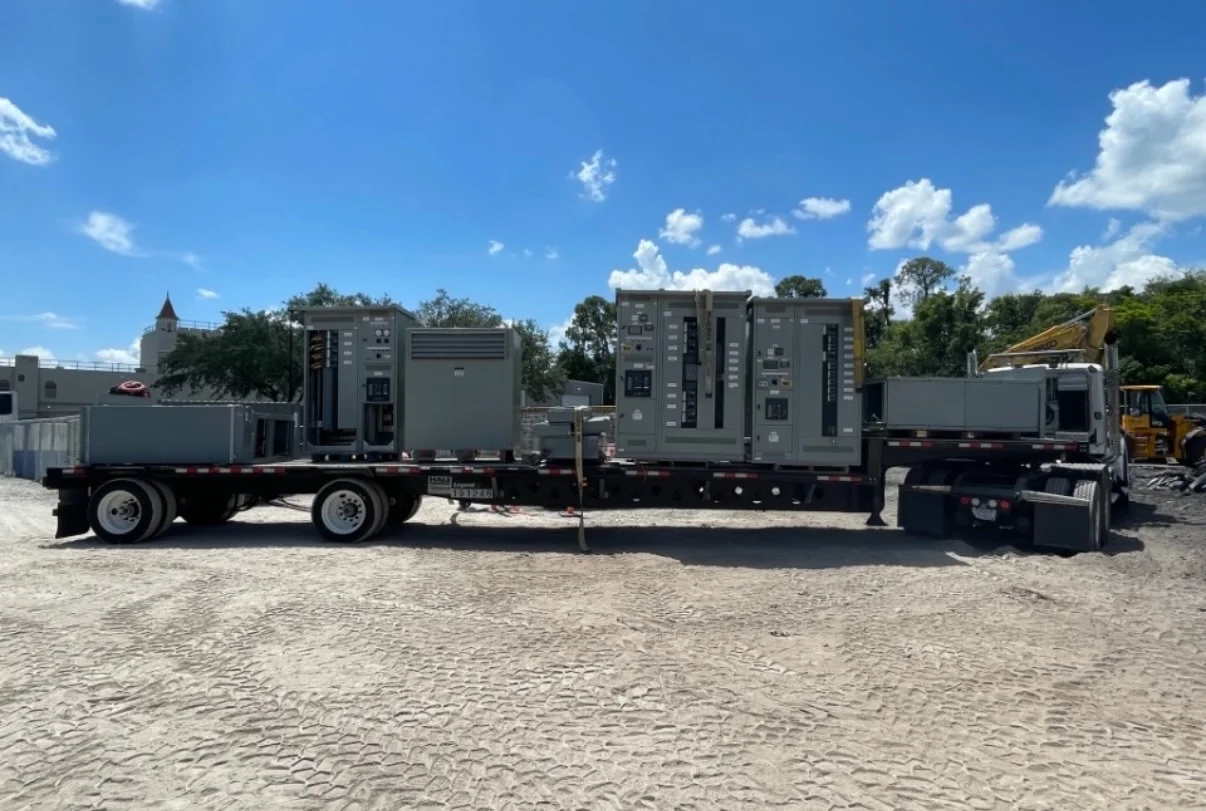
Transportation affects when equipment can reach the site, but shipment planning begins with the lineup design. Review shipping splits, overall dimensions, weights, lifting points, and access limitations against the delivery route and receiving equipment. Confirm unloading responsibility, storage conditions, delivery hours, and whether the site can accept the proposed shipment configuration.
Nationwide shipping can serve projects in Ohio and elsewhere, but transit and site handling remain project-specific. Weather, carrier scheduling, permits, restricted access, and construction readiness may affect logistics. Confirm packaging, shipment notices, delivery contacts, and any required coordination with the general contractor. Protect equipment from unsuitable storage conditions while awaiting installation.
Request a Project-Specific Schedule, Then Manage Changes
For a useful schedule estimate, submit the one-line diagram, equipment specifications, load and fault-current information, device preferences, installation location, desired in-service date, approval workflow, testing requirements, and shipping constraints. Note which inputs are preliminary and when final information is expected. This helps the manufacturer identify assumptions and outstanding decisions rather than imply a universal delivery interval.
Once the scope is defined, ask for key milestones and the assumptions behind them, including submittal review, material release, fabrication, testing, and shipment. A U.S. manufacturer building with American components can provide custom fabrication and short lead times where the configuration and supply conditions support them, with nationwide shipping. Reconfirm the plan when approvals, specifications, or site conditions change.