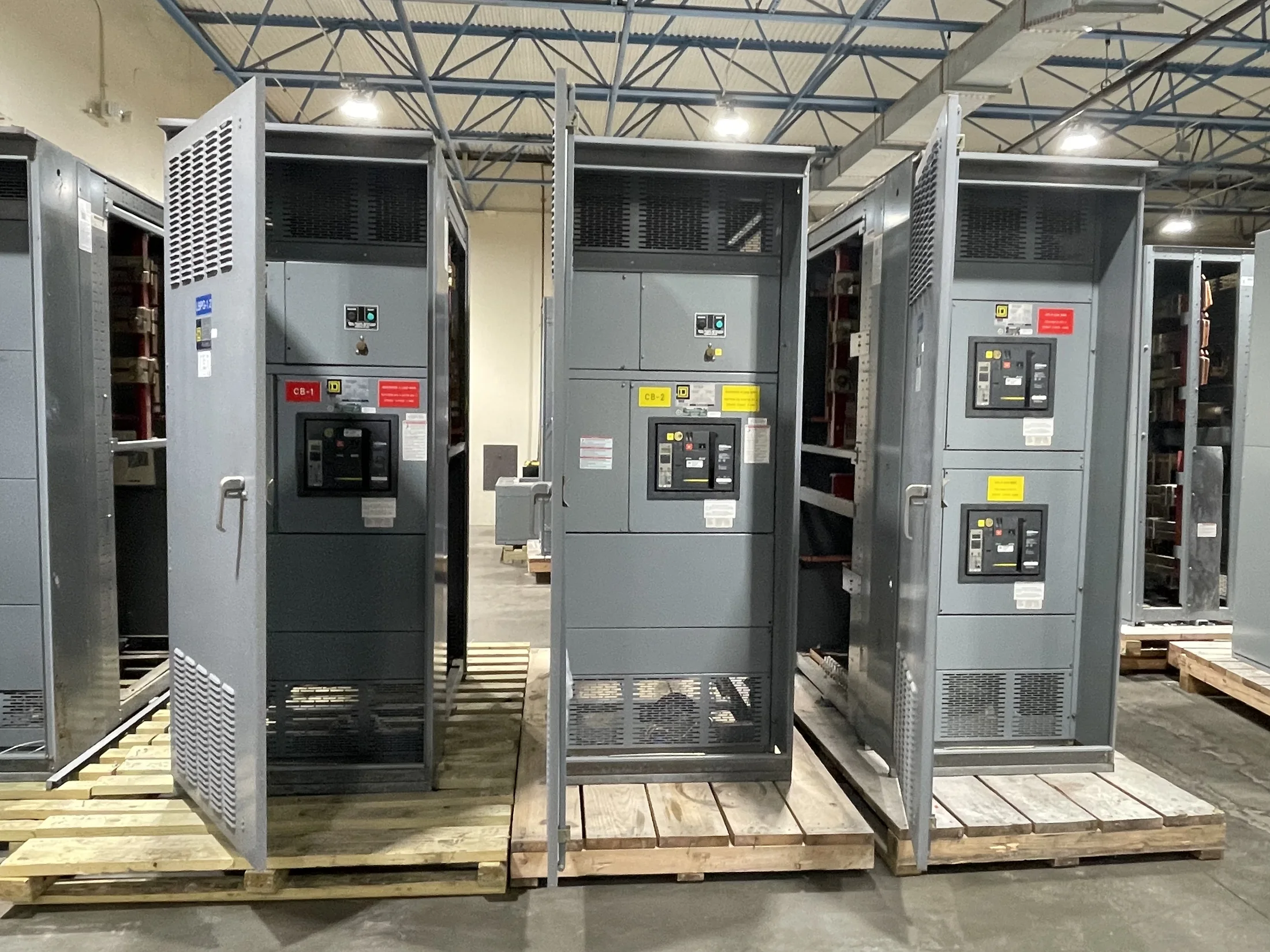
Define the Purchase Boundary Before Pricing
State exactly what the equipment supplier is expected to furnish: the switchgear or switchboard lineup, specified internal devices, standard documentation, and any requested accessories. Identify exclusions such as field wiring, conduit, anchoring, rigging, terminations, startup, or commissioning rather than leaving bidders to infer who owns them.
Separate equipment supply from contractor work in the bid package and purchase order. If the project requires coordinated drawings, special labels, shipping splits, or installation support, list each item and its required deliverable. Clear boundaries help the contractor compare quotes on the same scope and expose gaps before they affect schedule or cost.
Make Bid Assumptions Visible
Provide the latest one-line diagram, equipment schedules, specifications, and relevant addenda, then identify which document governs if details conflict. Record open design items as assumptions or questions. A quote based on an outdated fault-current value or preliminary feeder schedule may not represent the intended configuration.
Ask the manufacturer to identify its quoted basis, exceptions, and information still needed for engineering. Confirm whether pricing assumes standard construction, a particular shipping arrangement, or contractor-provided field details. Do not treat an unconfirmed feature as included; resolve material deviations with the engineer and purchasing team before award.
Select Equipment Type and Ratings Deliberately
Specify the equipment class and applicable requirements, not just a generic request for switchgear. UL 891 applies to low-voltage switchboards; UL 1558 applies to low-voltage metal-enclosed switchgear. Medium-voltage equipment is a separate design category, with voltage class and applicable standards confirmed for the project rather than inferred from either low-voltage designation.
Give the system voltage, phase and wire configuration, main and feeder arrangement, and available fault-current information when known. Confirm required continuous-current and short-circuit ratings with the responsible engineer. Breaker type, protective functions, metering, control power, and future provisions should follow the approved design and utility requirements, not an assumed standard lineup.
Verify the Room and the Complete Route
Provide dimensioned electrical-room plans and elevations, including wall locations, columns, housekeeping pads, doors, overhead obstructions, and adjacent equipment. Confirm the required working space and access clearances against applicable codes and the project design. A lineup that fits its nominal footprint can still conflict with doors, egress, or service access.
Check the full delivery path from unloading point to final position: door openings, corridors, turns, floor capacity, elevators, and rigging access. Identify the planned handling method and any restrictions on overall shipping dimensions or weight. Ask the manufacturer to confirm proposed section dimensions and shipping splits against these field-verified constraints before release.
Coordinate Connections, Entry, and Layout
Show incoming and outgoing cable or bus connections, entry direction, conductor quantities and sizes when established, and the locations of underground duct banks or overhead bus. Identify termination space constraints and the contractor’s intended routing. Verify these details with approved drawings; changing cable entry or device placement late can require layout revisions.
Coordinate the lineup orientation, section sequence, access sides, and adjacent distribution equipment with the room plan and one-line. Confirm whether top or bottom entry is required and whether the design needs pull space or barriers. The responsible engineer should review electrical clearances and connection assumptions, while the utility and AHJ address applicable service and code requirements.
Submit Quote Inputs That Support a Complete Review
A useful request for quote includes project location, requested delivery destination, bid and release dates, quantity, equipment schedules, one-line diagram, specifications, and current room drawings. Include known environmental conditions, seismic or special project criteria, and required submittal formats only when applicable, with the governing documents identified.
List device functions and control needs in specific terms: breaker trip requirements, metering points, relays, communications protocols, auxiliary contacts, and control voltage. Mark each item required, optional, or pending engineering confirmation. For a custom build, this distinction lets the manufacturer identify feasibility and clarify scope without presenting unapproved selections as settled.
Plan Submittals, Approval, and Release
Set a review path for outline drawings, elevations, schematics, device schedules, and connection details. Name the contractor, engineer, and owner reviewers, and establish how comments will be consolidated. Check drawing dimensions against site conditions and compare the proposed electrical arrangement with the approved one-line before authorizing production.
Resolve exceptions, outstanding selections, and interface questions in writing before release. Confirm the required documents, delivery assumptions, and approval responsibilities in the order record. The manufacturer builds new equipment in the United States with American components, offers custom fabrication, and ships nationwide; confirm project-specific configuration and schedule at quotation and order review.
Close the Installation Handoff
Before shipment, align delivery appointment, unloading responsibility, receiving access, storage conditions, and inspection procedures. Confirm who supplies lifting equipment and who checks the shipment for damage or missing items. Compare the delivered sections and identification against approved drawings, and promptly document discrepancies through the agreed project channels.
Define field responsibilities for setting, anchoring, joining sections, bus connections, cable terminations, grounding, and final inspection. Identify which party provides test plans, energization coordination, and commissioning if required; these services should not be assumed included in an equipment quote. Have the responsible engineer review installation and energization requirements, with utility and AHJ coordination as applicable.