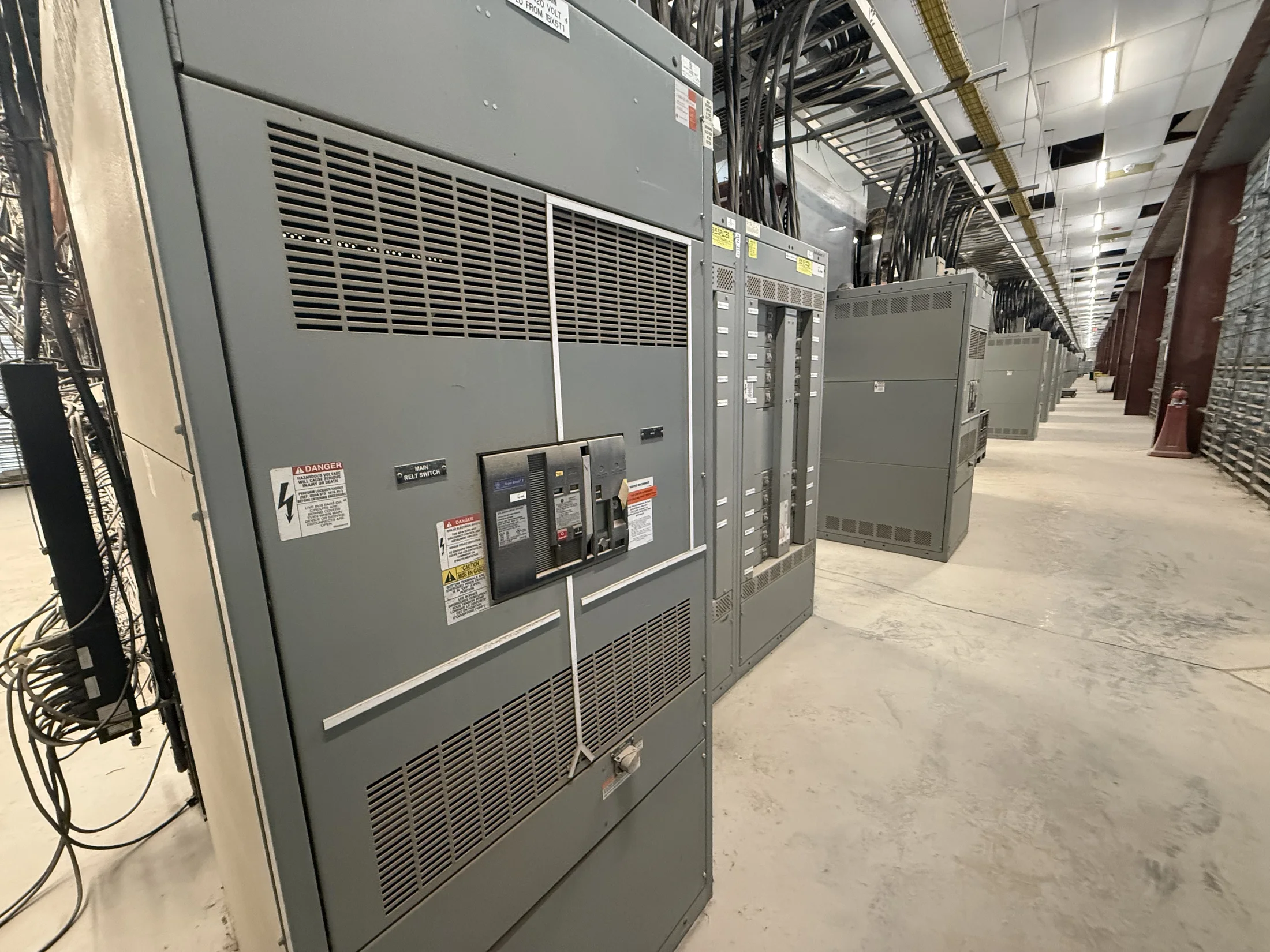
Approval Is a Project Milestone, Not a Formality
For a new switchgear purchase, drawing approval confirms that the proposed configuration and interfaces have been reviewed against project requirements. It is a coordination checkpoint, not a substitute for the responsible engineer’s design review, code analysis, or approval by the authority having jurisdiction. Establish who can approve each discipline before the first submittal arrives.
The review period can affect the sequence for fabrication planning, coordination with connected equipment, and preparation for installation. Timing depends on how complete the project information is, how many reviewers are involved, and whether comments require engineering changes. Agree on a review process and target response dates with the manufacturer and project team early.
Set Review Roles Before Submittals Begin
Identify the people responsible for electrical design, facility requirements, construction coordination, and purchasing. A contractor may coordinate the package, while the engineer of record evaluates electrical design details and the owner confirms operational needs. Utility review may also be relevant when service arrangements or utility-owned interfaces are involved; determine the applicable responsibilities for the project.
Name one person to collect and reconcile comments before sending them to the manufacturer. Separate approval authority from reviewers who provide input, and identify who resolves conflicts. Without this structure, the same drawing can receive contradictory directions from different disciplines, prompting another review cycle and delaying decisions that other project work depends on.
Provide Complete Information for the First Review
A useful review starts with a defined equipment scope and the latest project documents. For a quote, provide the service voltage and frequency, available fault-current information when known, required ratings, incoming and outgoing circuit details, feeder quantities, and the intended arrangement. Identify applicable specifications, drawings, and project standards, and flag items still awaiting confirmation.
Also communicate enclosure location and environment, access and working-space constraints, cable entry and termination expectations, and interfaces with transformers, generators, transfer equipment, or building systems. These details help establish a practical configuration and identify open questions. Do not assume a standard arrangement fits: confirm dimensions, construction, and project-specific requirements in the manufacturer’s proposal and submittal.
Review the Right Equipment and Boundaries
Check that the submitted equipment type matches the intended application. UL 891 switchboards are distinct from UL 1558 low-voltage switchgear, and neither standard covers medium- or high-voltage equipment. Confirm the specified equipment category and applicable standards with the project engineer; voltage class, operating needs, and project documents govern selection.
Review the one-line diagram, device arrangement, bus and feeder identification, metering or control interfaces, and connection points against the design basis. Confirm which items are included in the equipment scope and which are furnished or installed by others. For medium-voltage interfaces or utility requirements, have the responsible engineer and utility verify the applicable design and boundaries.
Make Comments Specific and Consolidated
Send comments against the current drawing revision, identifying the sheet, location, and requested correction or clarification. Distinguish mandatory design changes from questions and preferences. Where a comment depends on another discipline’s decision, state the dependency rather than asking the manufacturer to infer an answer from incomplete or conflicting markups.
Before submission, reconcile feedback from engineering, construction, operations, and purchasing into one coordinated response. Remove duplicate comments and resolve disagreements internally where possible. A consolidated package gives the manufacturer a clear basis for response and revision; separate emails arriving over several days can obscure priorities and make it harder to confirm which direction is current.
Understand What Approval Does—and Does Not—Authorize
Approval status should be explicit: approved, approved as noted, revise and resubmit, or another defined project convention. If approval includes notes, state whether work may proceed and identify any unresolved items that must be closed first. Confirm the project’s review procedures rather than assuming a status label has the same meaning across all parties.
Approval indicates that reviewers have completed their assigned check of the submitted information; it does not transfer design responsibility or establish that every code, utility, or field condition has been verified. The responsible engineer should resolve design questions, and the AHJ or utility should review matters within its authority. Record exceptions and decisions in the project document system.
Connect Approval to Downstream Work
Approved information can support coordination of room layouts, housekeeping pads, conduit and cable routing, access clearances, and connections to adjacent equipment. It may also inform protection coordination, controls integration, and construction sequencing. Confirm the dimensions, entry locations, and interface details needed by each downstream team before those teams rely on the submittal.
Some work can proceed in parallel, but unresolved configuration choices may affect panel arrangement, device selection, connection provisions, or enclosure details. Ask the manufacturer which open decisions affect fabrication planning and which can be confirmed later without a redesign. Keep dependent drawings and schedules aligned to the approved revision, not an earlier draft.
Manage Revisions and Keep the Schedule Visible
Maintain a submittal log showing revision numbers, issue dates, reviewer, response date, status, and outstanding decisions. When revised drawings arrive, compare them with the previous issue and verify that comments were addressed. Send corrections through the agreed channel, and identify any changed project requirements clearly so the manufacturer can assess their effect.
For a new equipment quote, share the required delivery window, project milestones, shipping destination, and any phased or site-access constraints. The manufacturer builds new equipment in the U.S. with American components, offers custom fabrication and short lead times, and ships nationwide; confirm project-specific timing, scope, and logistics in the quotation.