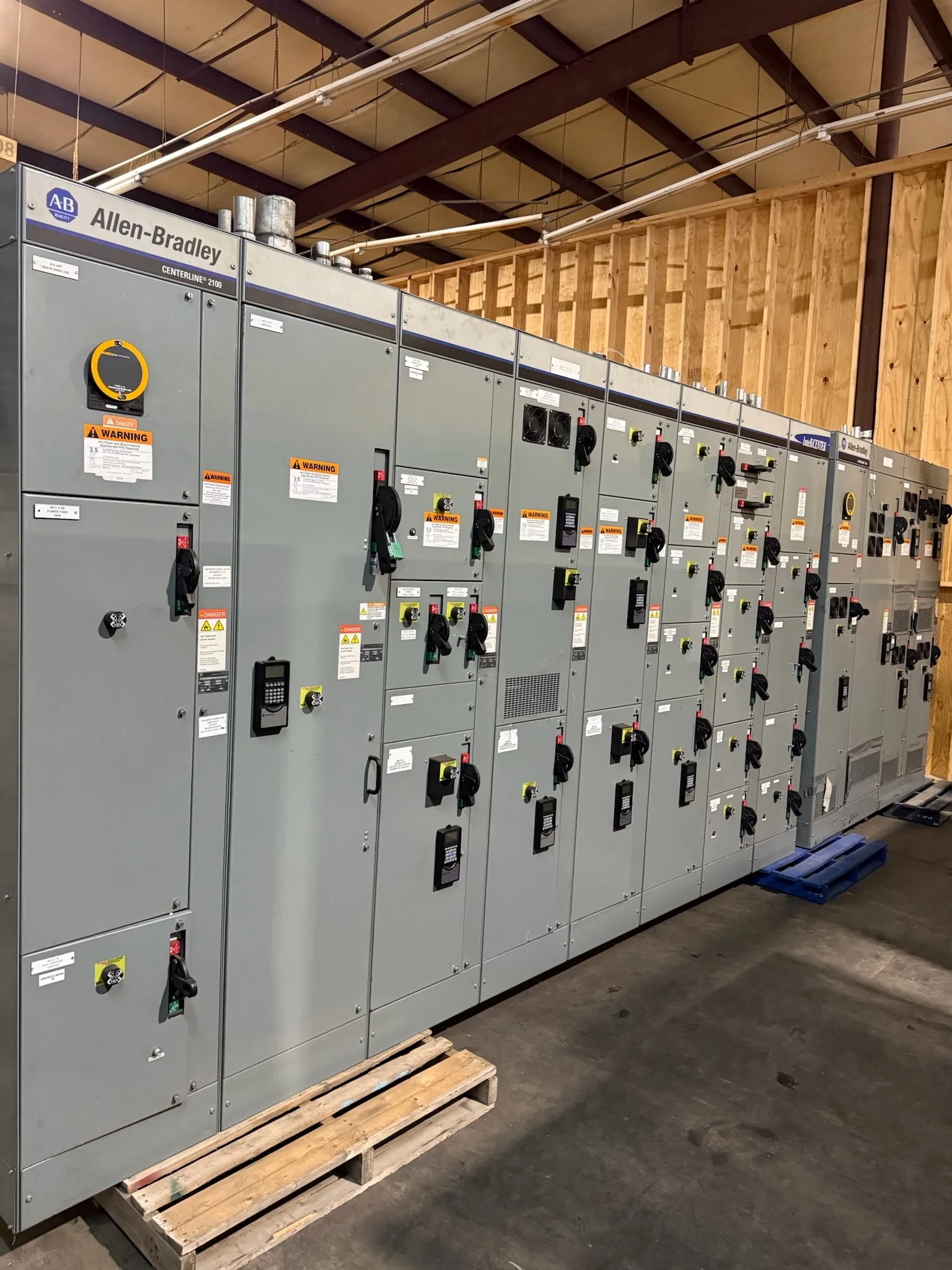
Start with a line-by-line scope comparison
Create a comparison sheet using the same line items for every proposal: equipment type, lineup quantity, sections, main and feeder devices, controls, accessories, documentation, and delivery. Record whether each item is included, excluded, offered as an alternate, or unclear. A blank is not evidence that an item is included.
Use the project’s one-line diagram, specifications, equipment schedule, and addenda as the common reference set. Note the revision and date each supplier used. If proposals rely on different documents or omit an addendum, request written clarification before comparing totals; otherwise, apparent savings may reflect a narrower scope.
Verify equipment class and construction
Confirm that each proposal identifies the equipment class required by the design. A UL 891 switchboard is not interchangeable by name with UL 1558 low-voltage switchgear, and neither standard describes medium-voltage equipment. Review the specified construction and applicable standard with the responsible engineer rather than treating labels as equivalents.
Compare lineup arrangement, access, compartmentation, bus configuration, and intended indoor or outdoor installation against the drawings and site conditions. These details affect footprint, clearances, interfaces, and service access. Ask suppliers to identify deviations explicitly, including any proposed change in enclosure, barriers, or equipment arrangement.
Compare ratings and system interfaces
Check the stated voltage, frequency, continuous current, interrupting or withstand ratings, and short-circuit basis against the project requirements. Confirm the rating applies to the proposed assembly and configuration, not just a component. Where values depend on upstream protection or other conditions, request the stated assumptions and engineering basis.
Review neutral and grounding provisions, bus ratings, incoming connection method, service entrance requirements, and utility interface where applicable. Confirm cable entry direction, lug or termination provisions, and space needs against field routing. Have the responsible engineer check coordination with available fault current, protective devices, and the facility’s distribution design.
Match device schedules and control scope
Reconcile each main and feeder device with the schedule: type, frame or sensor details where specified, trip functions, poles, accessories, and quantity. Identify substitutions, omitted spares, and differences in control power or metering. A similar device description does not establish that settings, functions, or interfaces match the design.
List control and monitoring requirements separately, including relays, meters, communication interfaces, alarms, interlocks, and customer-furnished components. Confirm who provides wiring diagrams, settings data, programming, and integration support. These items are project-specific; treat them as included only when the proposal states the scope clearly.
Expose inclusions, exclusions, and assumptions
Read the exceptions and clarifications, not just the equipment description. Common scope gaps can involve seismic or special environmental requirements, arc-flash labels, spare parts, field connections, startup assistance, testing documentation, or coordination studies. Do not assume these are standard inclusions; ask which are offered and which remain with others.
Turn each assumption into a question with an owner and a disposition: accepted, priced, revised, or unresolved. Clarify responsibility for drawings, approvals, foundation or anchorage information, busway or cable transitions, and field labor. Confirm the supplier’s boundary of supply so contractors can identify interface work before award.
Evaluate alternates as complete proposals
Compare alternates against the specified design, not solely by price. Record exactly what changes in equipment class, device type, rating, enclosure, controls, dimensions, or documentation, and what remains unchanged. Ask for the technical rationale and any effects on performance, maintainability, approvals, or coordination with adjacent equipment.
An alternate may change installation work or project risk even when its quoted total is lower. Check whether the design team, utility, or authority having jurisdiction must review it, and whether drawings or studies need revision. Keep the base offer and each alternate distinct so scope and price comparisons remain traceable.
Normalize delivery and commercial terms
Compare quoted price alongside its basis: currency, taxes, freight, delivery point, packaging, and any stated escalation or validity period. Review payment milestones, cancellation terms, warranty language, and remedies for schedule changes. These terms can affect total project cost and exposure, but should not be inferred from a headline price.
Ask for a current, project-specific delivery estimate and the events that start the schedule, such as approved drawings or receipt of required data. Confirm whether shipment is partial or complete, who unloads equipment, and how changes affect timing. Treat estimates as proposal assumptions, not guaranteed dates unless contract terms say otherwise.
Resolve discrepancies before purchase
Issue a written clarification list against a single proposal revision, then request revised documents showing agreed ratings, inclusions, exclusions, alternates, and commercial terms. Keep the comparison matrix, correspondence, and final quotation together. This creates a clear record for procurement, engineering review, contractor coordination, and later submittal evaluation.
Before award, have the responsible engineer verify technical compliance and interfaces; coordinate utility requirements and AHJ review where relevant. Provide suppliers with complete, current project documents and site constraints. A U.S. manufacturer can custom-fabricate new equipment and ship nationwide, but final suitability depends on confirmed project requirements and approved design.