Define the Base Scope Before Pricing Options
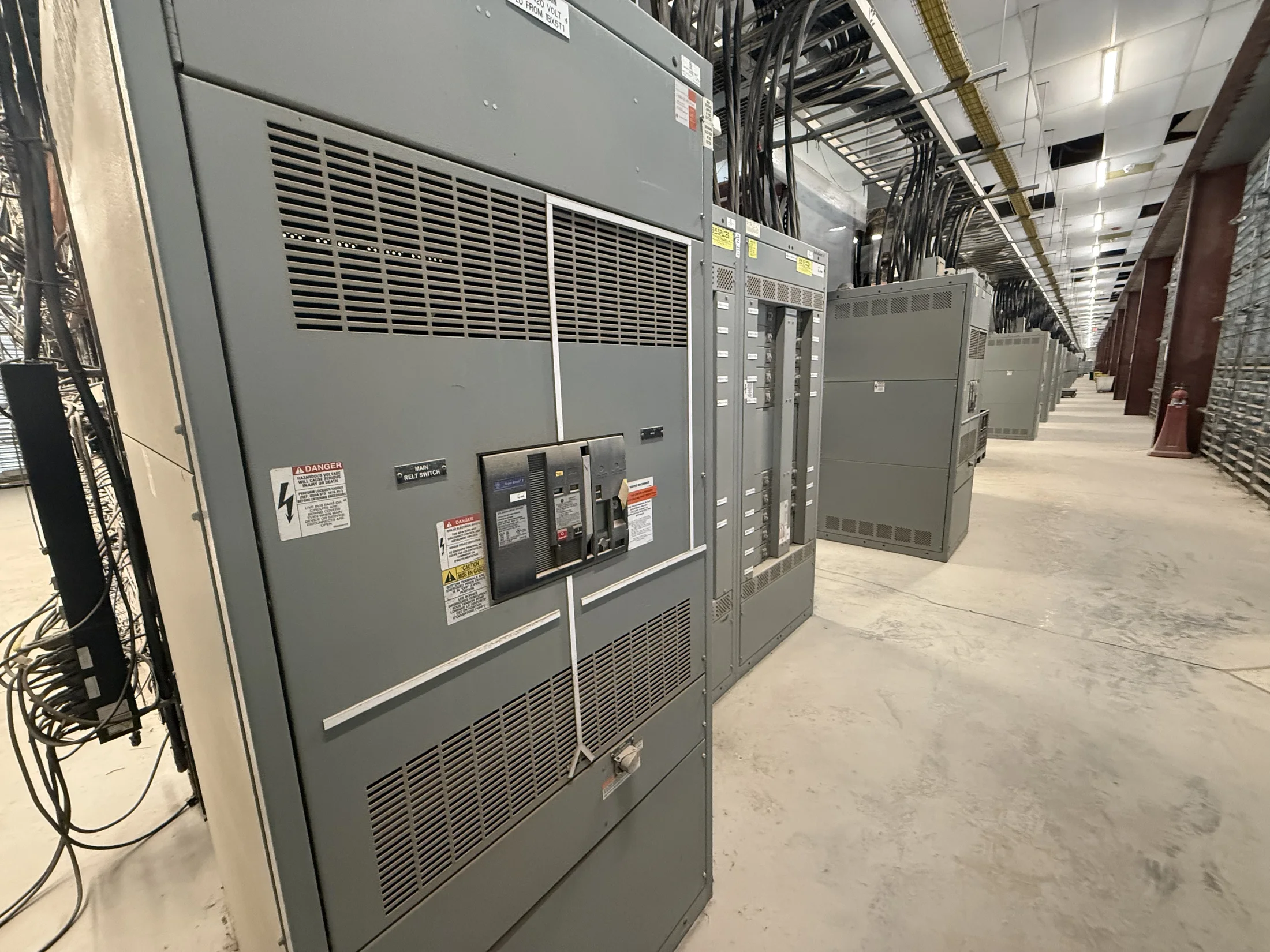
The base bid should describe the switchgear configuration the project requires, not a loosely defined starting point. Identify equipment type, nominal system voltage, phases, frequency, bus arrangement, service or feeder functions, and the applicable product standard. For low-voltage distribution, distinguish UL 891 switchboards from UL 1558 low-voltage switchgear; medium-voltage equipment is a separate category.
List included sections, breakers, metering, control power, protective relays, wiring, and accessories by function or schedule reference. State what is excluded, such as upstream transformers, field-installed conductors, or site services, when applicable. A clear boundary lets the manufacturer price new equipment consistently and prevents optional items from quietly becoming assumed base scope.
Use Allowances for Truly Unresolved Scope
An allowance is useful when an item is expected but its final selection, quantity, or design is not yet known. Identify the item, the reason it remains open, the assumed quantity or value basis, and the date by which it must be resolved. Examples may include future feeder breakers, spare compartments, or specified metering options.
Do not use a single broad allowance to cover undefined switchgear. Break uncertain scope into measurable line items and state whether the allowance covers equipment only or also engineering, configuration changes, and documentation. Confirm how a quantity change will affect price and schedule; an allowance is a planning mechanism, not a guaranteed final cost.
Separate Optional Equipment from Required Features
Show each optional feature as a distinct add or deduct, with its quantity and the equipment location or function it serves. Potential options include additional breakers, instrument transformers, ground-fault functions, communications interfaces, surge protective devices, or spare provisions. Whether these are suitable depends on the one-line diagram, specifications, load requirements, and coordination study.
For each option, identify whether it is factory-installed, supplied loose for field installation, or excluded. Note any effects on enclosure dimensions, bus arrangement, wiring, control power, heat dissipation, or device coordination. The responsible engineer should confirm that an option fits the design and applicable requirements; naming an accessory alone does not establish compatibility.
Set a Fair Basis for Unconfirmed Quantities
When quantities are unsettled, provide a base quantity and a separate unit price for each likely addition or deletion. Define what the unit includes: breaker frame and rating, trip unit, accessories, compartment, internal connections, wiring, and required engineering. Avoid comparing unit prices when one bidder includes a complete functional section and another prices only a device.
State quantity limits or configuration assumptions that affect the unit rate, including available section space, bus capacity, and whether future additions are installed now or provisioned for later. Confirm the latest expected schedule and quantity range. Some changes may require a different lineup or redesign rather than a simple per-unit adjustment, so flag that possibility in the quote.
Write Substitution Rules That Protect Design Intent
If substitutions are permitted, define what must remain equivalent: equipment category and standard, electrical ratings, short-circuit and withstand requirements, enclosure conditions, dimensions, interface points, and specified functions. Require a clear description of deviations, not a general statement that an alternative is comparable. Review the proposed equipment against project documents and the intended application.
Identify the approval process and the documents needed for review, such as drawings, device schedules, technical data, and exception lists. Do not treat a lower price as acceptance of a substitution. The engineer of record, owner, utility, and authority having jurisdiction may need to review relevant changes. Any approved alternate should be recorded in the purchase documents before release.
Request Comparable Alternate Pricing
Ask bidders to price the specified base configuration first, then show each alternate on its own line with a clear add or deduct amount. State whether alternate pricing replaces a particular base item or adds to it, and identify quantities, assumptions, and exclusions. This makes the cost effect visible without blending unlike configurations into one total.
For each alternate, request any impact on engineering, drawings, footprint, interfaces, delivery sequence, and required approvals. Include validity period and commercial terms where needed for procurement comparison. A price difference is meaningful only when scope is aligned: compare the same functional capacity, included components, documentation, and delivery conditions rather than headline totals alone.
Give the Manufacturer Inputs That Shape the Quote
A useful request for quotation includes the current one-line diagram, equipment specifications, load and feeder schedules, available fault-current information, and any preliminary coordination or arc-flash requirements. Include system grounding, incoming source details, metering requirements, control schematics, communications protocols, environmental conditions, and site constraints when established. Mark unresolved information instead of implying it is final.
Provide preferred shipment timing, delivery location, drawing review milestones, and the names of parties responsible for technical approvals. Identify governing standards and any project-specific requirements for labeling, testing, or documentation for the manufacturer to evaluate. U.S.-built equipment with American components can be custom fabricated and shipped nationwide; lead time depends on the finalized scope and current project conditions.
Reconcile the Quote Before Purchase Release
Before placing an order, reconcile the accepted base bid, selected options, approved substitutions, final quantities, and remaining allowances against the latest contract documents. Record who may authorize allowance use and how resulting changes are quoted and approved. Confirm drawing submittal requirements, review windows, and the point at which configuration changes may affect cost or delivery.
Have the responsible engineer verify ratings, protection, interfaces, and coordination, with utility and AHJ review where relevant. Confirm that the final equipment description matches the project’s intended application and that every alternate is expressly accepted. A disciplined scope review gives the manufacturer a clear basis to build new equipment and gives the buyer a traceable basis for evaluating cost changes.