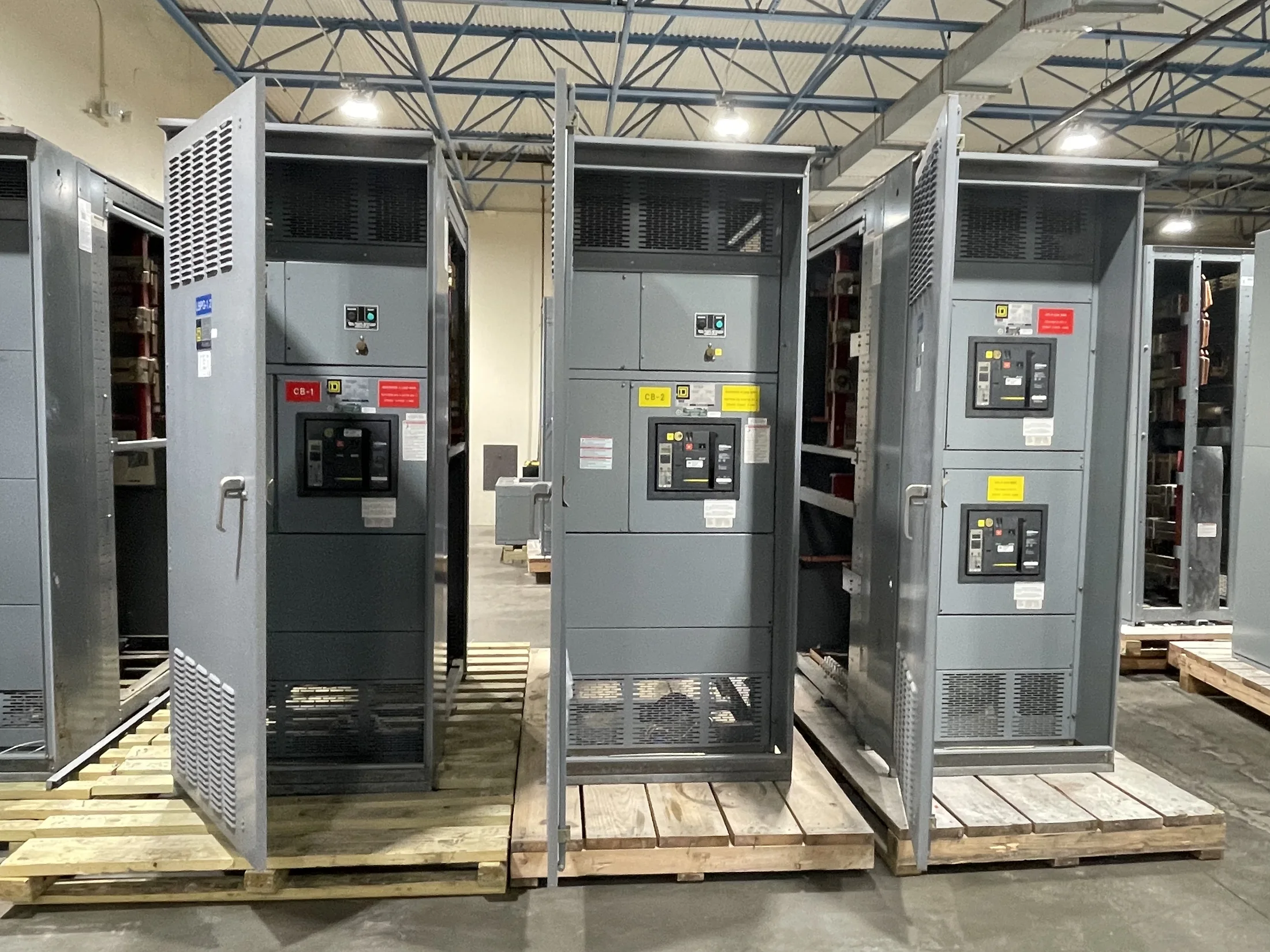
Set the project basis before requesting prices
Begin with the project purpose, site location, owner, schedule milestones, and scope boundaries. State whether the request covers new switchgear only or includes specified accessories, engineering documents, startup support, or other work. Clear limits help suppliers distinguish included scope from work assigned to the electrical contractor or others.
Identify the design stage and the intended use of the proposal, such as budget planning or a firm purchase evaluation. Provide the applicable drawing set and revision dates, and identify unresolved design decisions. Bidders can then disclose assumptions instead of silently pricing different interpretations of an incomplete package.
Define the equipment type and electrical basis
Name the intended equipment class and applicable standard rather than using “switchgear” as a catchall. Low-voltage switchboards built to UL 891 are distinct from low-voltage switchgear built to UL 1558; medium-voltage equipment has different design and application requirements. Have the responsible engineer confirm the specification matches the system.
Provide system voltage, phase, frequency, wire configuration, grounding method, and available fault-current information at the equipment location. Include the required continuous-current and interrupting or short-circuit ratings where established by design. Identify source configuration, normal and emergency feeds, and any transfer or tie arrangement bidders must accommodate.
Describe lineup configuration and functional scope
Include a one-line diagram and, when available, plan and elevation drawings showing lineup location, section sequence, incoming sources, bus ties, and outgoing circuits. List feeder quantities, device types, frame or trip requirements, and spare provisions. Label each circuit consistently across drawings and schedules so proposals can be reviewed point by point.
Specify functional requirements such as metering, protective relays, control power, communications, interlocking, and provisions for future expansion. Identify required interfaces with generators, transfer equipment, building controls, or utility systems. Treat each feature as a project requirement to confirm; do not assume it is standard or available in every configuration.
Capture installation and site constraints
Give the room dimensions, access route, doorway and overhead clearances, floor or housekeeping-pad information, and equipment orientation limits. State whether the lineup must enter in sections or fit existing handling restrictions. Provide environmental conditions, indoor or outdoor location, and any known contamination, moisture, seismic, or altitude considerations.
Clarify cable entry direction, conductor material and termination expectations, conduit zones, and available working space. Note bus duct or other connection interfaces, when applicable, and identify who supplies and installs transition pieces. The responsible engineer should verify clearances and installation requirements against applicable codes and the site layout.
Make pricing comparable across proposals
Provide a pricing schedule that separates the base equipment from requested options and separately identifies engineering, drawings, freight, commissioning, or other specified services. Ask bidders to state quantities, unit prices where useful, and whether taxes, duties, or special packaging are included. A common structure makes scope differences easier to find.
List requested alternates explicitly, such as different metering arrangements or enclosure choices, and define the basis for each. Request disclosure of exclusions, allowances, and assumptions, including any deviations from the drawings or specification. Avoid comparing a complete proposal with one that omits required components or shifts costs into later change orders.
Specify documents, reviews, and acceptance needs
Identify the submittals required for review, such as general arrangement drawings, elementary or wiring diagrams, device schedules, and product data. State the review sequence, preferred file format, and the information needed to coordinate connections and installation. Set document milestones relative to the project schedule rather than assuming identical practices from every supplier.
Describe required inspections, factory documentation, and turnover records in the bid instructions, while avoiding unsupported assumptions about a particular build’s listing or testing. State any project-specific witness or hold points for confirmation. Clarify who reviews and approves submittals and how design changes after approval will be handled.
Establish schedule and commercial terms
Request a proposed schedule with the supplier’s stated basis, including anticipated submittal timing, production slot, shipment estimate, and any dependencies. Identify the date equipment is needed at the site and explain whether delivery must be coordinated with construction access. Treat lead time as proposal-specific, not as a guaranteed duration.
Include commercial terms that affect bid evaluation: proposal validity, payment milestones, freight destination, delivery terms, storage requirements, and the process for pricing changes. State the requested warranty terms or ask bidders to identify theirs. Confirm that the schedule and commercial conditions align with the purchase agreement and project procurement rules.
Issue, compare, and resolve the bids consistently
Send the same controlled package and addenda to all invited suppliers, with a named contact, question deadline, and process for distributing answers. Record revisions and require bidders to acknowledge them. If a response changes the technical basis, circulate the clarification to all bidders so no proposal relies on private information.
Use a compliance matrix to compare each proposal against required ratings, lineup details, documents, schedule, pricing, and stated exceptions. Resolve technical gaps before award and have the responsible engineer review design impacts; consult the utility and authority having jurisdiction where applicable. A U.S. manufacturer can quote newly built, custom-fabricated equipment for Ohio projects and nationwide shipment when the package defines the required scope.