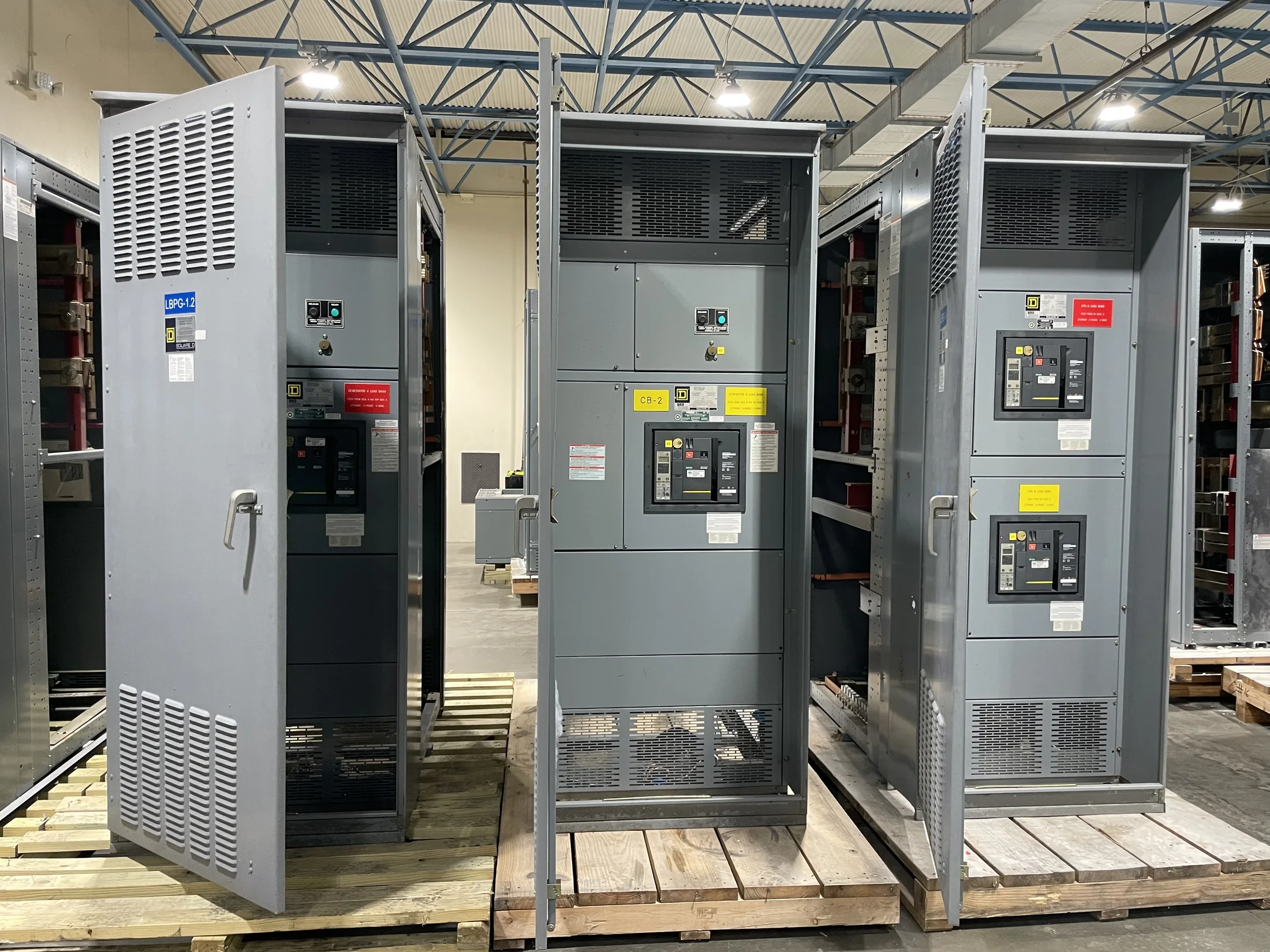
Start with the bid’s governing documents
Before soliciting prices, identify which documents control the purchase: the owner’s specifications, drawings, addenda, procurement policy, funding conditions, and applicable public contracting rules. Establish the order of precedence for conflicts and explain how bidders should submit questions. Requirements vary by agency and jurisdiction, so confirm them with the procurement officer or counsel.
Separate mandatory submission requirements from technical preferences and award considerations. State deadlines, required forms, delivery destination, requested schedule, bid validity period, and any required bond or insurance documentation when applicable. A clear checklist helps prevent a technically sound proposal from being rejected for a procedural omission.
Define the equipment boundary and system conditions
Describe what the solicitation includes: switchgear or switchboard assemblies, protective devices, metering, control power, enclosures, transitions, and specified accessories. Show interfaces with transformers, generators, utility service, downstream distribution, and building controls. Identify which party supplies conductors, installation, field terminations, startup, and commissioning to avoid gaps between equipment and construction scopes.
Provide the electrical data bidders need to select a configuration: system voltage, phase and frequency, available fault current, grounding arrangement, service entrance requirements, continuous load, and environmental conditions. Include one-line diagrams, load schedules, room dimensions, access limitations, and the intended expansion plan. The responsible engineer should verify assumptions and coordinate utility requirements.
Make standards and product categories precise
Name the applicable equipment category and standards rather than using “switchgear” as a catch-all. For low-voltage distribution, UL 891 applies to switchboards; UL 1558 applies to low-voltage switchgear. Medium-voltage equipment is a separate category with different design and specification considerations. Do not imply UL 891 covers medium- or high-voltage equipment.
Specify required ratings and features only where the project needs them, such as bus rating, interrupting or withstand capability, short-circuit rating, enclosure type, and device functions. Identify any required listing, labeling, or documentation, and confirm feasibility for the actual configuration. Avoid copying values from an old schedule without checking current system studies and design intent.
Document how technical equivalency will be judged
If alternatives are permitted, define the process and deadline for requesting approval. Ask bidders to submit a point-by-point compliance matrix identifying each deviation, the corresponding specification clause, and supporting evidence. State whether substitutions must be proposed before bid opening or may be considered only under the rules governing the procurement.
Evaluate equivalency against measurable project needs, not brand resemblance or unsupported claims. Relevant comparisons may include electrical ratings, protective-device coordination, physical dimensions, access and maintenance clearances, interface points, environmental suitability, and required documentation. The engineer should review exceptions and determine whether any change affects drawings, studies, coordination, or other contract documents.
Publish transparent evaluation and award criteria
Explain how proposals will be evaluated and which criteria are pass-or-fail, scored, or considered only after responsibility checks. Depending on the bid, criteria may address specification compliance, completeness, delivery, warranty terms, service capability, and total evaluated cost. Use only factors permitted by the solicitation and applicable procurement rules; disclose weights or methods when required.
Clarify how the owner will handle conditional pricing, alternates, exceptions, arithmetic corrections, and requests for clarification. A low initial price may not represent comparable scope if essential accessories or documentation are omitted. Keep decisions traceable to the published criteria, and refer questions about award procedure to the designated procurement authority.
Coordinate schedule, delivery, and installation assumptions
Ask bidders to state a realistic manufacturing and shipping schedule, the event that starts the schedule, and assumptions about approved drawings, submittals, and release for production. Specify required delivery milestones and whether partial shipments are acceptable. Short lead times may be available for some new equipment, but timing depends on configuration, components, approvals, and current production conditions.
Document receiving constraints that affect cost or feasibility: delivery hours, unloading responsibility, site access, storage conditions, floor loading, rigging routes, and whether equipment must fit through existing openings. Identify who coordinates installation and field testing. Confirm the proposed sequence with the construction schedule, facility shutdown windows, and the project’s responsible engineer.
Request quote information that supports comparison
Require a clear price breakdown tied to the bid scope, including the proposed lineup, included devices and accessories, freight assumptions, options, and separately priced exclusions where permitted. Request a completed equipment schedule, dimensioned layout, preliminary bill of materials, and list of exceptions. This gives reviewers a practical basis for comparing proposals without treating unlike configurations as equivalent.
For a manufacturer quote, provide the latest drawings and addenda, one-line diagram, equipment schedule, ratings, site conditions, requested delivery point, and submission deadline. Include contact details for technical questions and identify who can approve deviations. A U.S. manufacturer building new equipment with American components can assess custom fabrication and nationwide shipment against those project-specific inputs.
Keep the record complete through award and submittals
Maintain a controlled record of the solicitation, bidder questions, answers, addenda, submitted exceptions, evaluation notes, and award decision. Distribute clarifications consistently to all bidders as required. After award, carry accepted deviations and conditions into the purchase order and approved submittal record so the delivered configuration matches the contract basis.
Before releasing equipment for manufacture, reconcile approved drawings with the final electrical requirements, interfaces, and procurement commitments. Resolve discrepancies through the contract’s change process rather than informal direction. Have the responsible engineer review design implications, and consult the utility and authority having jurisdiction where their requirements apply. This discipline supports a defensible, buildable new-equipment purchase.