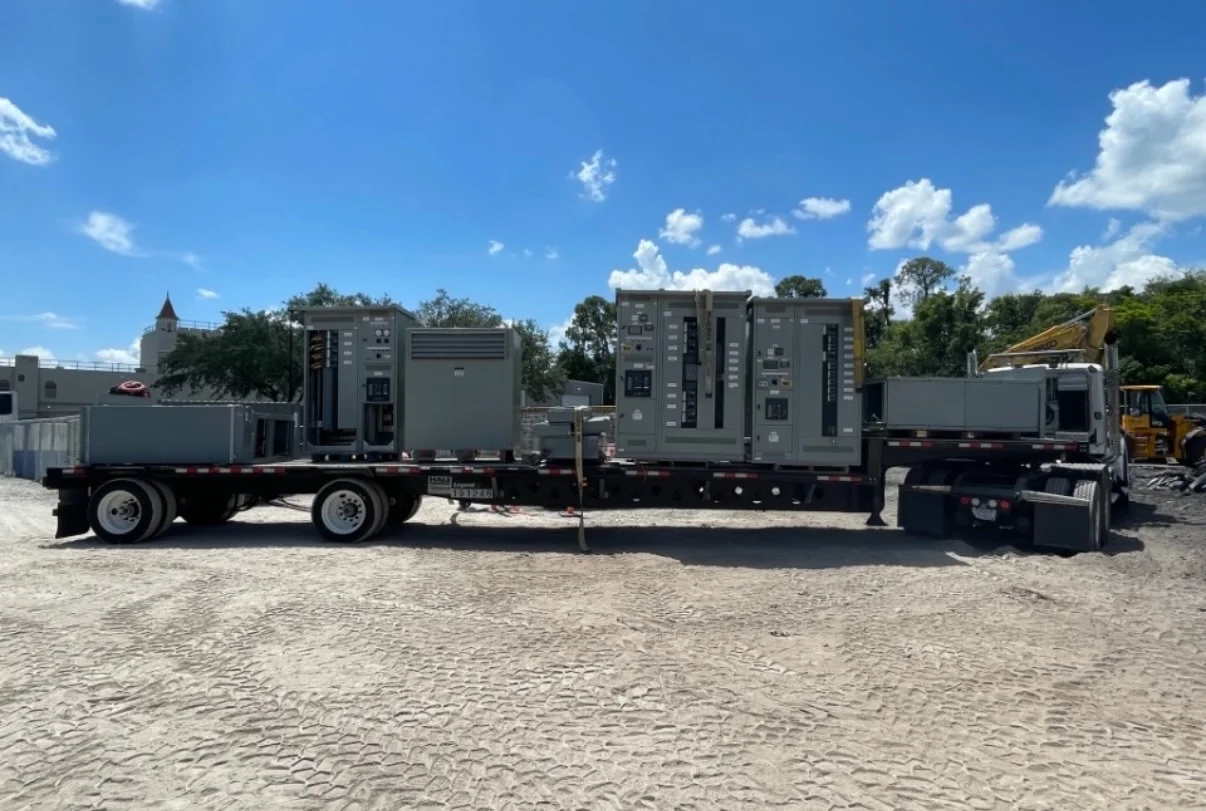
Define the assembly boundary before specifying equipment
“Custom switchgear assembly” can describe very different scopes: a complete lineup, a replacement section, a control and protection package, or field-ready distribution equipment built around an owner’s drawings. Start by identifying what the supplier is expected to furnish and where responsibility transfers. List incoming and outgoing devices, bus, metering, relaying, controls, enclosures and any accessories, then mark items supplied by others. This prevents a quote from omitting interfaces such as transition sections, cable supports or control wiring simply because each party assumed someone else owned them.
Record the installation’s voltage class and system arrangement rather than relying on a project nickname. Identify source count, normal and alternate operating modes, grounding method, available fault-current information and expected expansion. Confirm whether the work is new construction, a tie-in, a retrofit or a replacement constrained by existing gear. Those distinctions affect dimensions, connection details, outage planning and the records needed to establish what can safely be reused.
Select the equipment class for the electrical system
Choose equipment according to voltage, application and the governing design requirements. UL 891 applies to low-voltage switchboards; UL 1558 applies to low-voltage switchgear. These are distinct equipment categories, not interchangeable labels. Medium-voltage equipment is a separate class with different insulation, switching and protection considerations; UL 891 does not cover medium- or high-voltage equipment. The responsible engineer should determine the required equipment type and applicable standards for the project, rather than selecting a category from an informal description.
A quote request should state the nominal system voltage, frequency, phase and wire configuration, continuous current requirements, and available fault-current data, with the source and assumptions identified. Confirm required withstand or interrupting capabilities against the study and the proposed device arrangement. Ask the supplier to identify the intended assembly category and the scope of any product certifications or listings, then verify that the proposed configuration is appropriate for the actual application.
Translate loads and operating modes into a lineup
Build the one-line around real operating needs. Show each source, main, tie, feeder and significant load, including standby generation, energy storage or other alternate sources where present. State whether sources may operate in parallel, whether a tie is normally open, and what interlocking or transfer sequence is required. These details influence device selection, control logic, compartment arrangement and coordination; a lineup sized only from a total load number may not serve the intended operating sequence.
Provide load schedules with voltage, load type, expected demand, motor starting or other unusual duty, and planned future circuits. Identify which feeders require metering, ground-fault protection, differential protection or communications, as determined by the design. Do not treat spare spaces, future capacity or a particular breaker frame as automatic features. Specify the desired provision and have the engineer confirm its electrical, physical and code implications.
Resolve protection, control and coordination details
Protection requirements should be tied to the project’s coordination and fault studies, not chosen solely from a standard device menu. Provide available study results, upstream protective-device information, transformer data and any required settings or curves. Where studies are still in progress, say so and identify who will provide final settings and when. The responsible engineer should review protection choices and confirm that the equipment configuration supports the intended scheme without assuming a supplier can resolve system-level design questions from incomplete inputs.
Describe control and indication needs in functional terms: local or remote operation, permissives, status points, alarms, trip circuits and communications protocol, if applicable. Identify control-power sources and whether wiring or devices are owner-furnished. A point list, sequence narrative and interface diagram can uncover missing signals before fabrication. Confirm how settings, labels, wiring diagrams and final records will be delivered, and distinguish design documents from approved-for-construction or as-built deliverables.
Check the room, access and connection constraints
A custom electrical lineup must fit the site, not just the one-line. Supply available room dimensions, ceiling height, access route, floor and housekeeping-pad details, working-space constraints, cable trench or duct locations, and the direction cables enter and leave. Identify front or rear access needs and restrictions on maintenance clearances. For retrofit work, include verified field dimensions, photographs and existing equipment drawings where available; old records may not reflect actual conduit positions or adjacent obstructions.
State the environmental and installation conditions that affect enclosure and construction choices, such as indoor or outdoor placement, ambient conditions, contamination, moisture, seismic criteria or unusual site exposure. Confirm applicable requirements with the engineer and authority having jurisdiction. Also identify shipping-piece limits, doorway or elevator constraints, rigging access and whether the equipment must be assembled in sections on site. These factors can change layout and delivery planning even when electrical ratings remain unchanged.
Make the request for quote comparable and complete
For useful pricing, issue a coordinated package: one-line diagram, specifications, load schedule, equipment layout, control narrative, cable and termination information, and relevant study data. Mark each document with revision and status, and identify conflicts or open decisions instead of leaving them implicit. State the requested quantities, destination, required delivery window, bid due date, and any phased shipment or field-service expectations. If the design is not final, list assumptions and request that the supplier flag deviations and exclusions.
Ask bidders to itemize the proposed lineup, included devices and accessories, engineering submittals, documentation, testing scope, packaging and freight basis. Request a clear list of exceptions, owner-furnished items and unresolved inputs. This allows procurement to compare scope rather than headline price alone. Avoid treating an estimated schedule as a commitment until drawings, approvals, material availability and project milestones are reconciled in the purchase order.
Plan submittals, fabrication and acceptance deliberately
Agree on the document-review sequence before release to fabrication. The submittal set may need to show elevations, bills of material, device data, wiring diagrams, terminal plans, nameplate information and connection details, as required by the project. Assign reviewers and response deadlines, and define how revisions are tracked. Review is not a substitute for the responsible engineer’s design approval, and supplier drawings should not silently resolve discrepancies in the project documents.
Specify inspection and testing expectations in the procurement documents, including what records are required and who witnesses any agreed tests. The actual scope depends on equipment type, purchase terms and applicable requirements; do not assume a particular test, result or certification applies to every custom build. Before shipment, confirm identification, loose-shipped components, preservation, lifting points, packing, and the documentation needed for receiving and installation.
Coordinate delivery, installation and final verification
Nationwide shipment makes transport planning part of the equipment decision. Confirm delivery location, unloading responsibility, receiving hours, storage conditions and whether the site can accept a complete lineup or needs multiple sections. Align the shipping sequence with the construction schedule and room readiness. U.S. manufacturing, domestic components and custom fabrication may be relevant sourcing preferences; state any required origin documentation and request the origin documentation required by the contract.
At installation, compare shipped equipment with approved drawings and check that foundations, access, conduit entry and grounding provisions match the design. Coordinate terminations, protection settings, controls, startup and commissioning responsibilities among supplier, contractor and owner. Resolve field changes through documented review, then obtain final drawings and records. The electrical design, utility interface where applicable, and installation should be checked by the responsible engineer and reviewed with the authority having jurisdiction as required.