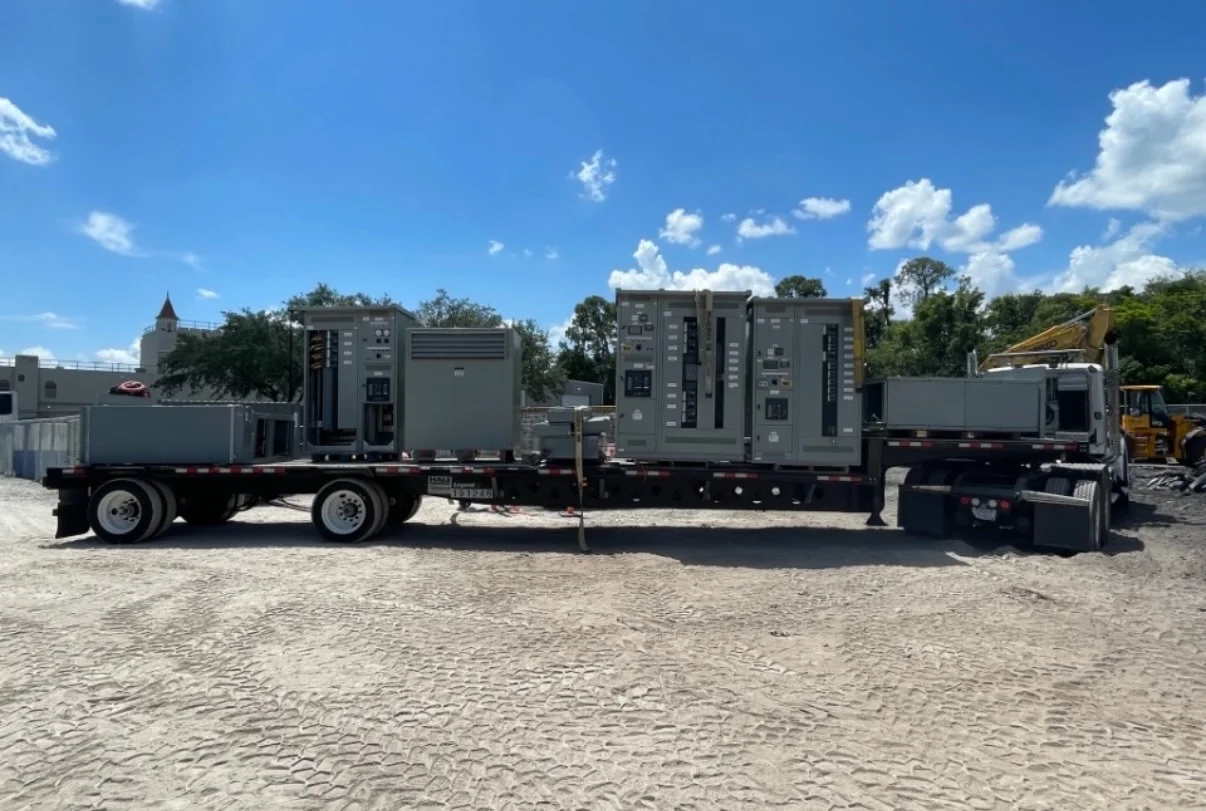
Map the Campus Distribution Before Selecting Equipment
A university electrical system may connect utility service, campus substations, central plants, residence halls, classrooms, and research buildings across several distribution levels. Begin with current one-line diagrams, service data, feeder schedules, and equipment condition records. Confirm which boards serve critical buildings, where spare capacity exists, and how future construction changes load paths.
The right equipment depends on voltage, available fault current, load, system grounding, and the role of each lineup. A low-voltage switchboard, low-voltage switchgear assembly, and medium-voltage switchgear serve different applications; they are not interchangeable. The responsible engineer should confirm ratings, protection, utility interfaces, and applicable project specifications.
Account for Laboratory Loads and Research Continuity
Laboratory demand can combine motors, environmental chambers, analytical instruments, laser systems, fume hoods, and sensitive electronic loads. Ask research and facilities teams to identify connected and coincident loads, starting currents, harmonic-producing equipment, and planned instruments. Separate essential processes from loads that can tolerate interruption before assigning feeders or selecting distribution arrangements.
Some experiments require stable power, while others need backup sources or dedicated circuits; no single configuration suits every laboratory. Confirm grounding and bonding expectations, isolation needs, monitoring points, and any owner-defined power-quality criteria with the electrical engineer. Validate equipment compatibility and branch-circuit design with the instrument suppliers and responsible design team.
Choose Equipment by Voltage Class and Function
For low-voltage distribution, UL 891 switchboards and UL 1558 low-voltage switchgear are distinct equipment categories with different construction and application considerations. Specify the category required by the design rather than using the terms as synonyms. A manufacturer can build new equipment to project requirements, subject to the applicable design and approval process.
Medium-voltage equipment is a separate class, selected for campus distribution voltages and system duties defined by the engineer and utility. UL 891 applies to switchboards, not medium- or high-voltage equipment. For each lineup, document nominal voltage, ampacity, interrupting or withstand requirements as applicable, enclosure, incoming arrangement, and connection to existing gear.
Coordinate Protection Across Buildings and Sources
Campus protection must account for upstream utility devices, transformers, distribution feeders, and downstream building equipment. Provide available fault-current information, transformer impedance and ratings, grounding details, and protective-device data for coordination review. The responsible engineer should evaluate selective coordination where required, as well as equipment short-circuit ratings and the effects of alternate operating configurations.
Generator connections, tie breakers, automatic transfer schemes, and multiple utility feeds can change fault levels and protection behavior. Confirm normal and emergency operating sequences, interlocks, metering, and control responsibilities before defining the lineup. Utility requirements and the authority having jurisdiction may affect the final design, so resolve open questions before releasing fabrication documents.
Plan Phased Upgrades Around the Academic Calendar
Replacing campus distribution equipment often requires work during summer, winter, or other limited shutdown windows. Identify the buildings and loads that cannot be interrupted, available temporary feeds, outage approval steps, and the time needed for switching, installation, and commissioning. Sequence work so dependencies among substations, feeders, and building boards are visible to all project teams.
A phased plan may call for new equipment that interfaces with existing gear, but dimensions and electrical compatibility must be verified rather than assumed. Collect room access limits, cable-entry directions, bus connections, conduit locations, and removal constraints. Custom fabrication can address project-specific layouts; confirm drawings, interface points, and field measurements before final approval.
Specify Space, Access, and Maintainability
University electrical rooms can be constrained by older buildings, shared service corridors, and evolving uses. Record available floor area, ceiling height, working clearances, door and corridor dimensions, floor loading, ventilation conditions, and routes for moving equipment into place. The engineer and installation contractor should verify code-required access and maintainability for the selected configuration.
Decide whether front access is practical, how cables will enter and exit, and where future extensions or spare feeder provisions may be useful. These are project-specific choices, not automatic features. Provide current room plans, photographs, connection details, and any restrictions on shipping sections or rigging so the manufacturer can assess a workable arrangement.
Coordinate Controls, Monitoring, and Campus Operations
Facilities teams may need metering or status points for an energy management or supervisory system. List required measurements, alarms, communications protocols, network boundaries, and points of responsibility. Confirm whether data will be used for operations, billing allocation, power studies, or research monitoring, and define the interface with campus controls before equipment details are finalized.
Operational practices also shape configuration: identify authorized operators, switching procedures, maintenance access, and labeling conventions. Existing campus standards may govern device naming, control voltage, communications, or documentation. Share those standards and the intended operating sequence with the design team and manufacturer; verify integration requirements with the campus controls group.
Prepare a Complete Request for a New Equipment Quote
A useful quote package includes the one-line diagram, equipment schedules, specifications, voltage and current ratings, fault-duty information, device quantities, enclosure and access requirements, and requested options. Include utility criteria, applicable project standards, drawing review milestones, delivery destination, and the expected construction sequence. Flag unresolved engineering decisions instead of presenting assumptions as confirmed requirements.
For custom fabrication, provide approved interface details and identify who will review drawings and respond to technical questions. The U.S. manufacturer builds new switchgear and power distribution equipment with American components, offers short lead times, and ships nationwide; actual scope and timing depend on the project. Confirm availability and delivery needs during quote review.
Review the Design Before Release and Installation
Before fabrication, compare the proposed arrangement with the latest approved one-line, schedules, room conditions, and utility requirements. Check device functions, ratings, cable space, control interfaces, metering, and accessory selections against the project documents. Resolve discrepancies through the responsible engineer, owner, and manufacturer, and confirm which documents govern when revisions conflict.
Installation and energization remain coordinated project activities. The electrical contractor should verify field conditions and connections, while the responsible engineer reviews design questions and the utility and AHJ address their respective requirements. For a quote, provide the current drawings, project location, required equipment scope, schedule constraints, and a contact for technical coordination.