Start with the electrical design release
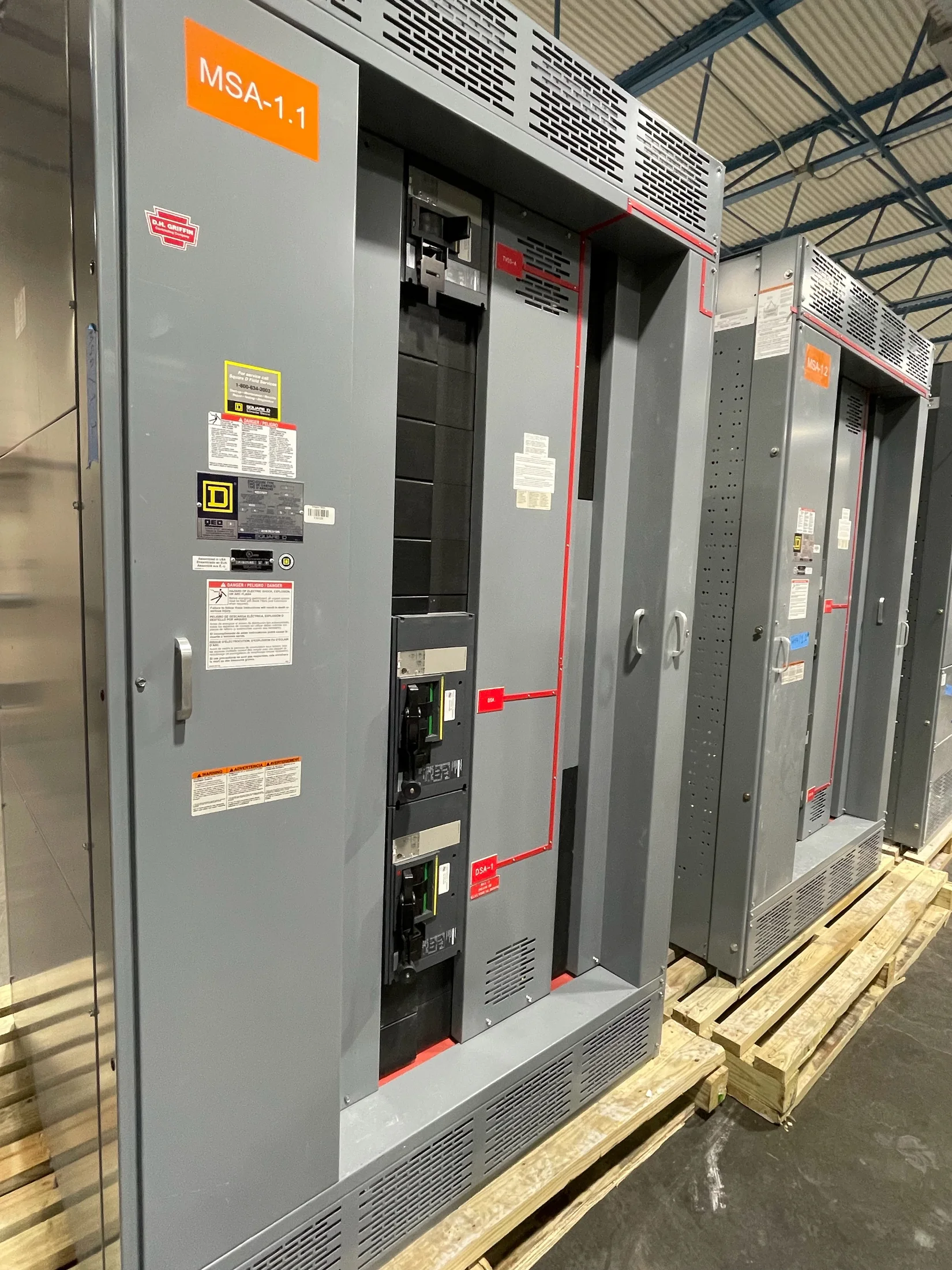
Before requesting a quote, establish which drawings and specifications define the purchase: one-line diagram, equipment schedules, project specifications, and available fault-current information. Identify whether the package is a UL 891 switchboard, UL 1558 low-voltage switchgear, or medium-voltage equipment; these are distinct equipment categories, not interchangeable labels.
Ask the electrical engineer to identify the intended service voltage, system arrangement, ampacity, interrupting or withstand requirements, metering, protection, and connection points. Confirm what remains unresolved and who owns each decision. A manufacturer can price a defined configuration more responsibly than a placeholder description such as “main switchgear.”
Set a submittal path with named reviewers
Map the submittal sequence from approved-for-construction design through manufacturer drawings, engineer review, revisions, and release to fabrication. Assign a reviewer and response target for each step, including the utility where its service or metering requirements affect the lineup. Project schedules should carry review cycles as planned activities, not assume instant approval.
Agree which documents are needed at each milestone: general arrangement, elevations, dimensions, connection details, wiring diagrams, and device or accessory data as applicable. Confirm the responsible engineer’s review does not transfer design responsibility. The construction manager should track open comments, decision dates, and whether changes affect price, interface dimensions, or release timing.
Resolve lineup configuration before release
Lineup length, section arrangement, incoming source location, outgoing feeder count, and cable or bus entry direction shape both the equipment and the room layout. Provide the latest architectural room plan, ceiling height, wall openings, and adjacent equipment locations. Identify required working clearances and egress provisions for review against applicable codes and project documents.
Confirm whether the design calls for drawout or fixed devices, a main-and-tie arrangement, protective relays, metering, control power, or provisions for future feeders. These are project-specific choices, not standard assumptions. The engineer should reconcile operational needs, fault-duty calculations, coordination requirements, and utility criteria before the construction team treats the arrangement as final.
Check the route from truck to final position
A lineup that fits the electrical room may still be difficult to deliver. Measure gates, corridors, door clear openings, turns, ramps, elevator capacity, overhead obstructions, and the path to the equipment pad. Ask the project team and manufacturer to confirm shipping sections, handling points, and any field assembly needs for the proposed configuration.
Provide the delivery address, site contact, receiving hours, unloading equipment, staging limits, and restrictions on truck access when requesting pricing. Confirm who supplies rigging, escorts, and temporary protection, and whether the site can receive the anticipated shipment arrangement. Do not assume a crane, forklift, indoor storage, or after-hours access is included.
Coordinate foundations, penetrations, and room readiness
Compare approved equipment dimensions and weights with housekeeping pads, structural supports, floor loading, anchor locations, and cable trench or conduit plans. These details depend on the final design and manufacturer drawings. The structural and electrical teams should resolve conflicts before concrete placement or embedded conduits make revisions costly.
Confirm room conditions that affect installation and operation, including access for maintenance, ventilation, lighting, drainage risk, and separation from plumbing or other services. Establish who completes housekeeping pads, sleeves, firestopping, grounding connections, and equipment anchorage. The responsible engineer and applicable authority having jurisdiction should review design and code questions.
Manage utility and upstream dependencies
Identify utility service characteristics, point of delivery, metering rules, transformer scope, and required coordination documents early. Utility decisions can affect incoming compartment arrangement, cable termination space, protection, and the sequence for energization. Confirm submittal ownership and review status with the utility rather than treating its requirements as settled from preliminary plans.
Track upstream transformer availability, primary cabling, service entrance work, and any shutdown or cutover approvals as separate schedule dependencies. Confirm who provides and installs each interface, and what information must be exchanged. Electrical designs, protection settings, and service arrangements should be checked by the responsible engineer and utility before procurement release.
Define trade handoffs and installation scope
Create an interface list covering the electrical contractor, general contractor, utility, controls contractor, and equipment supplier. State who furnishes feeder conductors, terminations, control wiring, communications connections, grounding, and field modifications. Clarify boundaries for factory-installed versus field-installed components so scope gaps do not surface when the lineup reaches the room.
Coordinate access windows with other trades working in the electrical space, including fire protection, mechanical piping, and overhead services. Protect the area from dust, water, and impact as appropriate, and preserve required access for installation and maintenance. Record sequence constraints, permits, inspections, and any owner witness points in the project schedule.
Prepare a quote package and control changes
For a useful quote, submit the current one-line, specification sections, equipment schedule, available fault-current data, voltage and system details, feeder list, metering and protection requirements, and requested options. Include room and access constraints, destination, expected delivery window, and known utility criteria. Flag alternates or unresolved items instead of presenting estimates as approved design values.
After award, route design changes through a documented review before fabrication release. A revised feeder count, entry direction, device selection, or room dimension can affect drawings, interfaces, and delivery planning. A U.S. manufacturer building with American components can provide custom fabrication, short lead times, and nationwide shipping; confirm project-specific scope and timing in the quotation.