Start with the equipment class, not the sales label
Ask each supplier to identify the equipment type and applicable product standard in its proposal. A UL 891 switchboard is not the same product class as UL 1558 low-voltage switchgear, and neither designation applies to medium-voltage equipment. Confirm the system voltage, intended application, construction, and specified standard before comparing prices.
Describe the installation clearly: service entrance or distribution use, new construction or replacement, indoor or outdoor location, and any utility or facility interface. Ask the supplier to flag assumptions and exclusions. A product name alone cannot establish suitability; the responsible engineer must verify the design against project documents and applicable codes.
Test engineering fit against the one-line diagram
Provide the current one-line diagram and load information, then check whether the proposed lineup matches the specified source arrangement, feeder count, and protective-device functions. Confirm bus configuration, neutral requirements, metering, control power, and any transfer or tie arrangement. These details affect section layout and coordination, so unresolved choices can undermine a fast quote.
Review interrupting and withstand requirements, available fault current, and protective-device coordination with the project engineer. Ask suppliers to state what inputs their selection relies on rather than infer ratings from a general catalog description. Utility data, transformer impedance, and upstream protection may be needed to validate the proposed equipment for the installation.
Compare construction and configuration in detail
Request a lineup description that identifies sections, device types and frame sizes, bus arrangement, enclosure and access assumptions, and cable entry or exit locations. Confirm whether the configuration is fixed or drawout where applicable and specified. Differences in compartment arrangement, dimensions, and wiring scope can make apparently similar offers difficult to compare.
Walk the proposed arrangement against room dimensions, working clearances, conduit routes, cable bending space, lifting access, and installation sequence. Confirm front or rear access and any environmental requirements with the project team. Treat enclosure ratings, seismic provisions, special finishes, and other nonstandard features as project-specific items to confirm, not assumed inclusions.
Verify standards, testing, and documentation scope
Ask what standard and documentation apply to the exact equipment class and proposed build. UL 891 concerns switchboards; UL 1558 concerns low-voltage switchgear. Medium-voltage equipment follows a different scope and should be evaluated against its specified standards. Do not treat a supplier’s general capability statement as proof that a particular configuration is listed or approved.
Compare the submittal package and closeout documents included in the offer. Depending on the project, request drawings, bills of material, device data, wiring diagrams, and applicable test or inspection records. Establish review milestones and document formats. The responsible engineer, utility, and authority having jurisdiction should review items that affect their approval or connection requirements.
Assess manufacturing and customization capability
For a custom lineup, ask how the supplier translates project drawings and specifications into fabrication documents, and who resolves discrepancies. A U.S. manufacturer using American components may offer a direct path for design coordination; still, confirm component availability, approved substitutions, and responsibility for changes before release. Custom fabrication should follow documented project requirements, not undocumented assumptions.
Check whether the supplier can explain its quality controls, configuration review, and handling of design revisions. Ask how field wiring, accessories, and interface points are defined in the scope. For unusual constraints, such as restricted access or integration with existing distribution, provide drawings and photographs early and obtain written confirmation of what the quoted build includes.
Compare commercial scope and quote assumptions
Normalize proposals line by line: equipment quantities, protective devices, metering, control components, accessories, drawings, and any specified options. Separate included items from allowances, exclusions, and owner-furnished components. Confirm freight, unloading, installation, startup, and field services as distinct responsibilities; a low equipment price may omit work another supplier includes.
Give every bidder the same specification, schedules, and revision level. Ask for a written list of deviations and unresolved inputs, then compare responses rather than relying on verbal assurances. A useful quote identifies the proposed equipment class, configuration, governing assumptions, and scope boundaries so procurement can assess like for like and engineering can review technical exceptions.
Evaluate schedule realism and delivery planning
Ask for the supplier’s current estimated lead time and the events that start the clock, such as approved drawings or receipt of complete technical inputs. Request milestone visibility for submittals, release, manufacturing, and shipment where available. Short lead times can matter, but they should be evaluated against scope completeness, component availability, review cycles, and the required delivery date.
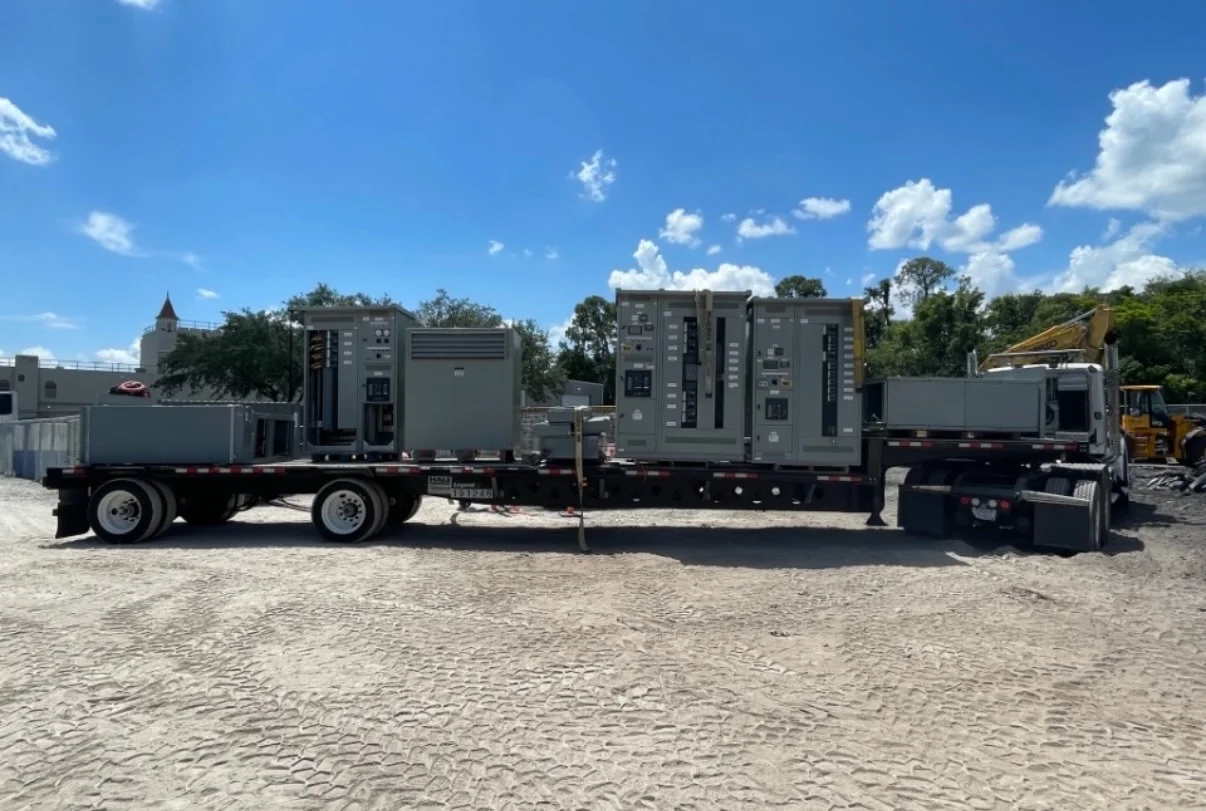
Confirm shipment destination, packaging assumptions, access constraints, and coordination needs for delivery to the site. Nationwide shipping can support projects beyond Ohio, but the buyer should establish who arranges transport, unloading, storage, and inspection on arrival. For schedule-sensitive work, identify long-lead components and decision deadlines, and document how changes may affect delivery.
Use a structured review before selecting a supplier
Score suppliers against a common checklist: equipment-class fit, engineering responsiveness, configuration clarity, documented deviations, manufacturing capability, submittal scope, schedule basis, and commercial completeness. Record open questions and assign them for resolution. This makes selection more defensible than ranking proposals by headline price and helps identify risks before purchase authorization or drawing approval.
Before release, provide final load and fault-current data, one-line diagrams, specifications, dimensions, connection requirements, and applicable utility criteria. Confirm every project-specific option in writing and route the design through the responsible engineer and relevant reviewers. A qualified supplier can clarify its proposed new equipment; design acceptance and installation suitability remain project responsibilities.