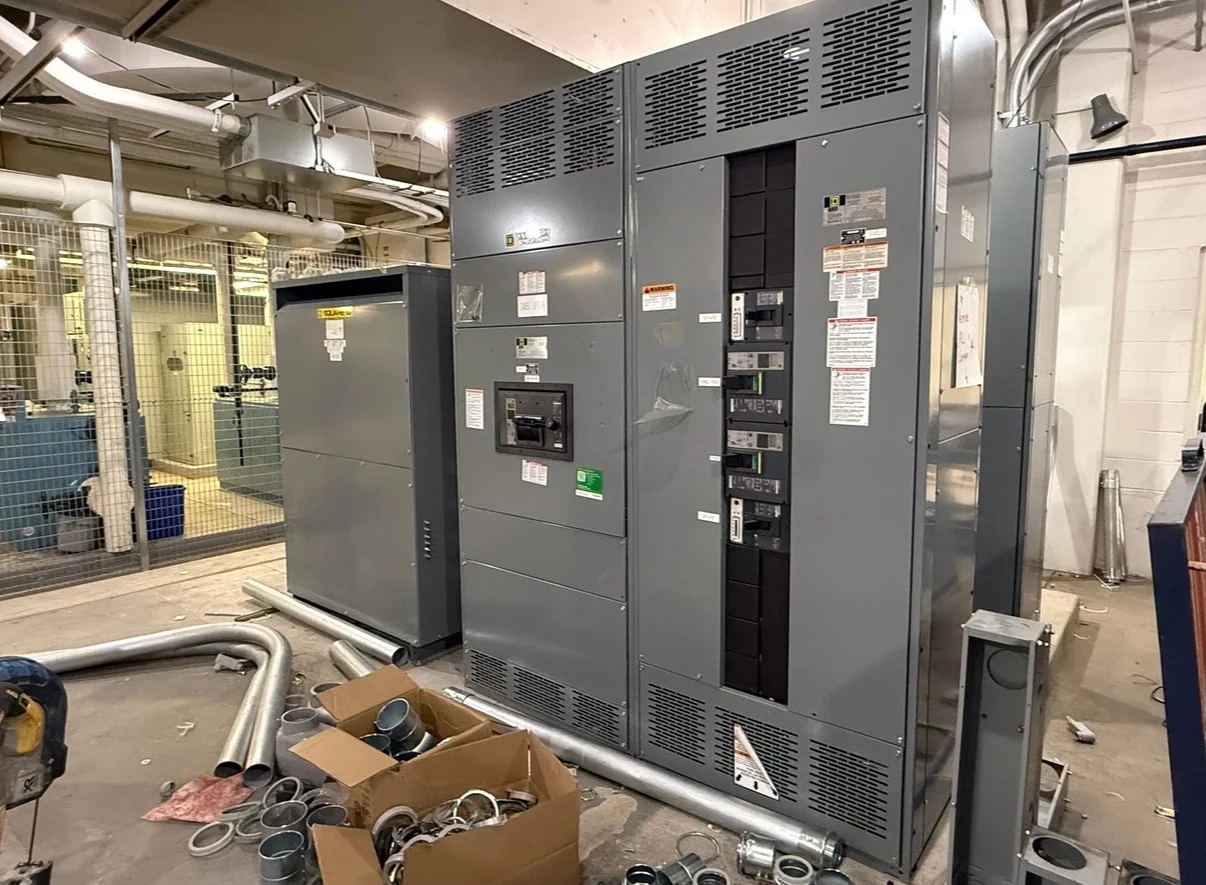
What UL 1558 Covers
UL 1558 applies to low-voltage metal-enclosed switchgear assemblies, commonly used for service entrance and distribution applications. It addresses the assembly as a coordinated product, not merely a collection of individually rated breakers and components. A specification review should therefore identify the intended standard and the complete switchgear lineup.
Keep the distinction from UL 891 clear. UL 891 is the standard for low-voltage switchboards; UL 1558 concerns metal-enclosed switchgear. Neither designation makes a medium-voltage assembly a UL 1558 product. Confirm system voltage and equipment class at the outset, then have the responsible engineer verify the specification's standard references.
Review the Assembly, Not Just the Nameplate
Assembly-specific verification matters because enclosure construction, bus arrangement, device selection, barriers, and compartment layout form an integrated design. A generic statement that equipment is “UL 1558” does not establish that every proposed lineup, option, or field modification is covered by the applicable certification or verification basis.
Ask which exact configurations and ratings are represented by the documentation for the proposed assembly. Review the intended arrangement against the manufacturer’s drawings and submittals, including any project-specific departures. Do not assume that a familiar component or a similar prior lineup automatically verifies a different assembly configuration.
System Conditions and Electrical Duties
Provide the nominal system voltage, frequency, phase and wire arrangement, grounding method, and available fault current at the equipment location. Include the source and transformer information used to determine the available fault current, along with upstream protective-device data when available. These inputs help establish the duties the assembly must meet.
Specify required continuous current and short-circuit ratings, while treating values as project requirements to confirm rather than automatic product features. Consider future load growth, motor contribution, generator or utility sources, and transfer arrangements where applicable. The engineer of record should validate calculations and coordination assumptions before the switchgear design is finalized.
Lineup, Devices, and Operating Scheme
Describe the lineup function by function: service entrance, main devices, feeder quantities, bus ties, metering, and any provisions for future sections. Identify breaker types and frame or trip requirements when known, plus control power, interlocking, and remote operation needs. Clear schedules reduce ambiguity in both engineering review and quotation.
Explain how sources and ties are intended to operate, including normal positions and any required mechanical or electrical interlocks. If the project includes generators, paralleling, automatic transfer, or load shedding, provide the operating sequence and control interfaces. Confirm that the requested scheme fits the intended assembly and protection design rather than assuming options are standard.
Enclosure, Access, and Installation Constraints
State indoor or outdoor installation, room conditions, access restrictions, and the required enclosure or environmental conditions for the application. Give available lineup width, height, depth, cable entry direction, and working-space constraints where established. These details affect section arrangement, terminations, handling, and the feasibility of placing equipment in the electrical room.
Identify seismic, special environmental, or other construction requirements only where the project documents call for them, and confirm their applicability with the design team. Note conduit locations, floor conditions, lifting paths, and site access. A requested enclosure detail or installation option should be reviewed against the assembly’s verified configuration and project drawings.
Coordination, Protection, and Documentation
Provide the one-line diagram, load schedule, protective-device requirements, and available coordination or arc-flash study inputs for review. Specify metering points, instrument transformers, communications protocols, and interfaces to building or plant systems when required. The manufacturer can use defined requirements to develop a proposed arrangement, but system studies remain the design team’s responsibility.
Request the submittals needed for project review, such as outline and elevation drawings, elementary diagrams, device schedules, and relevant assembly documentation. Confirm what verification records apply to the offered configuration and what information is available for approval. The utility and authority having jurisdiction may impose additional requirements that should be resolved before release.
What to Send for a New Equipment Quote
A useful request package includes the specification, one-line diagram, load and feeder schedules, fault-current basis, device requirements, and project drawings. Add the installation location, requested delivery point, preferred schedule, and any approved manufacturer or substitution process. If information is preliminary, label assumptions and identify decisions still pending rather than implying settled requirements.
Include project contacts, bid or project number, quantity, lineup divisions, and requested accessories or spare devices. Note whether the quote should include engineering submittals, startup support, or other defined scope, without presuming these are included. A complete package helps establish a buildable configuration and surfaces technical exceptions for review before an order.
Resolve Exceptions Before Approval
Compare the proposed drawings and exceptions against the specification line by line. Flag differences in device ratings, bus arrangement, enclosure details, metering, controls, and dimensions. Ask whether each departure affects the required assembly configuration or project function, and document accepted deviations so contractors and facility personnel work from the same approved basis.
The responsible engineer should check the final design, protection requirements, and coordination with connected equipment; the utility and AHJ should review matters within their jurisdiction. A manufacturer-built assembly is designed around confirmed project inputs, not a substitute for system engineering. Early resolution of open items supports a clear submittal and purchase decision.
Manufacturing and Delivery Considerations
New UL 1558 switchgear is engineered and built to the approved project configuration. The U.S. manufacturer uses American components and offers custom fabrication, with short lead times and nationwide shipping. Actual schedule, component availability, and shipping arrangements depend on the confirmed scope, design review, and order details; request project-specific expectations with the quote.
Before release, confirm approved drawings, final device schedules, control requirements, shipping splits, and site receiving constraints. Coordinate delivery sequencing with the electrical contractor and facility team, especially when access or installation windows are limited. Any change after approval should be reviewed for design, documentation, and verification implications before it is incorporated into the new assembly.