What the NEMA 4 Designation Tells You
NEMA 4 identifies enclosure protection intended for indoor or outdoor use, including protection against windblown dust, rain, splashing water and hose-directed water. It also addresses external ice formation. It does not establish a voltage rating, interrupting capacity, short-circuit rating, temperature limit or suitability for every washdown chemical.
Treat the designation as one input to equipment selection, not proof that an entire installation is suitable. Confirm the applicable enclosure standard and the exact construction offered for the project. The responsible engineer should evaluate the enclosure alongside electrical ratings, operating conditions, maintenance practices and the authority having jurisdiction’s requirements.
Describe the Actual Water Exposure
“Washdown” can mean anything from occasional hose cleaning to frequent, directed sprays aimed at doors, seams or cable entries. Document where water comes from, how often cleaning occurs, the direction and duration of spray, and whether operators use nozzles that concentrate flow. These details help establish whether NEMA 4 is appropriate.
Also identify water temperature, detergents, sanitizers and other cleaning agents. NEMA 4 does not by itself demonstrate resistance to corrosive or aggressive chemicals. If the process uses such substances, confirm material compatibility for the enclosure, finish, seals and hardware. A different enclosure construction or cleaning method may need engineering review.
Examine Doors, Gaskets and Closures
Water resistance depends on the assembled enclosure, including door fit, gasket continuity, hinges, latches and any removable covers. Confirm how doors close and seal, whether the specified equipment requires tools for access, and how routine opening affects gasket inspection. Repeated service access can make proper closure and maintenance especially important.
Ask how seams and penetrations are handled in the proposed configuration, rather than assuming every field modification preserves the enclosure type. Door hardware, viewing windows, operator devices and ventilation openings can change the sealing approach. Confirm acceptable options with the manufacturer before finalizing the one-line diagram, layout or purchase specification.
Coordinate Conduit and Cable Entries
Conduit hubs, cable glands and other entry fittings are part of the water boundary. Their location, type, thread engagement and installation method matter, as do unused openings and field-drilled holes. Provide the intended conduit sizes and entry directions so the enclosure layout can be reviewed before fabrication.
Consider whether conduits could carry water into the enclosure through condensation, drainage paths or exposure elsewhere in the run. Entry fittings must suit the enclosure material and installation conditions; sealing compounds or field practices should not be assumed to correct an unsuitable detail. Have the responsible engineer and installer confirm the entry plan.
Balance Sealing With Heat Removal
A tightly sealed enclosure can restrict natural heat dissipation. Internal losses from breakers, bus, transformers, drives or other equipment raise enclosure temperature, while ambient heat and solar loading can reduce the available margin. Review expected loading, duty cycle, ambient conditions and the heat generated by the selected configuration.
Do not assume that adding a fan, filter, louver or air-conditioning unit retains NEMA 4 protection. Each opening or cooling method changes the enclosure boundary and may require a specifically engineered arrangement. Confirm the permitted temperature range of components and any required thermal evaluation before accepting a sealed design.
Check the Site and Mounting Conditions
Installation suitability depends on more than spray exposure. Verify indoor or outdoor location, ambient temperature range, sunlight, altitude where relevant, vibration, available clearances and the condition of the mounting surface. Confirm access for operating handles, opening doors, cable bending, inspection and replacement of serviceable components.
For outdoor installations, consider water pooling, drainage, snow or ice, and how nearby equipment directs runoff. For washdown areas, check whether the enclosure is in the direct spray path and whether mounting height or orientation can reduce exposure. Document the site conditions rather than relying on a general description such as “wet location.”
Match Enclosure Type to Electrical Equipment
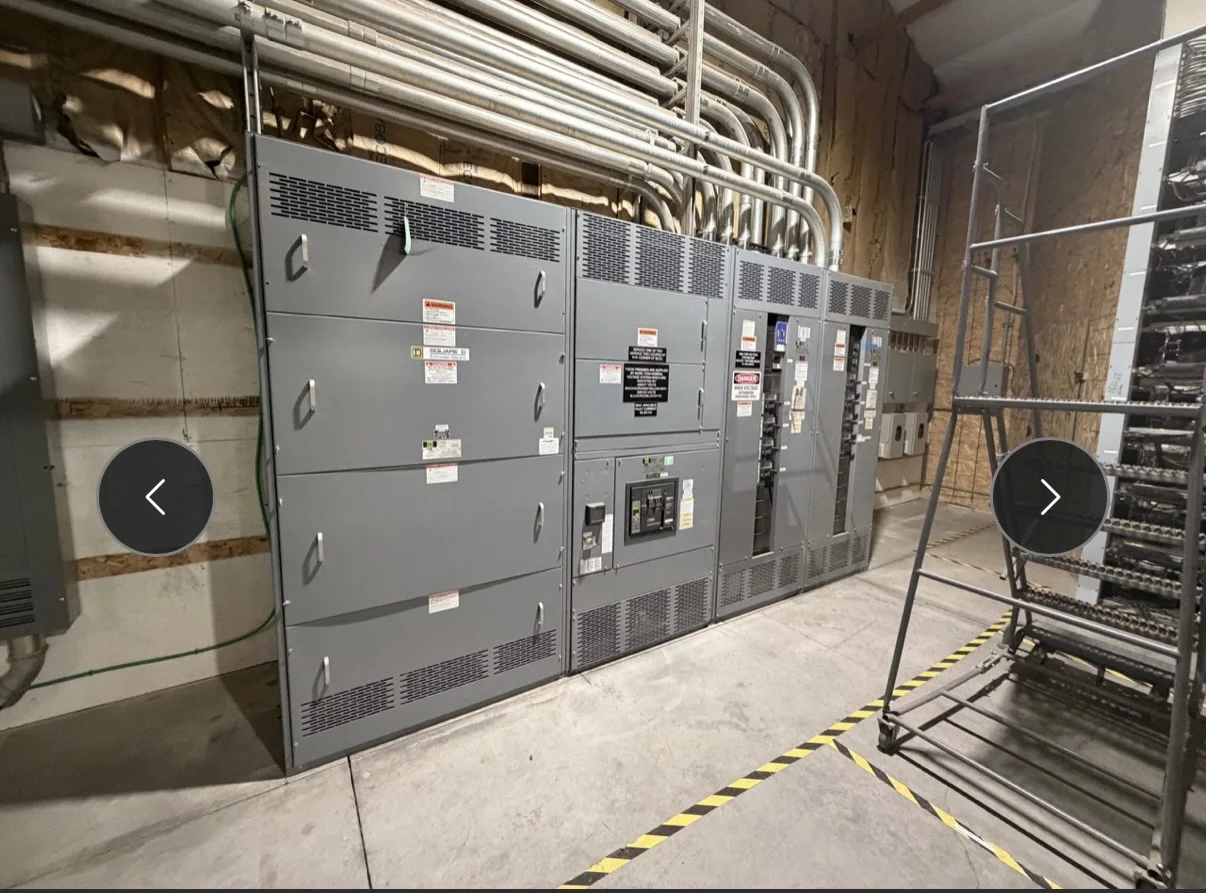
NEMA 4 describes enclosure protection; it does not define the switchboard or switchgear product standard. A low-voltage switchboard evaluated to UL 891 is distinct from low-voltage switchgear evaluated to UL 1558. Medium-voltage equipment has separate requirements, and UL 891 does not cover medium- or high-voltage equipment.
Specify the equipment function, system voltage, available fault current, bus and feeder arrangement, metering, control needs and intended installation. The final assembly’s applicable construction and markings must be confirmed for the particular build. Review the design with the responsible engineer, utility and AHJ as applicable; do not infer approvals from an enclosure type.
Prepare Project Details for a Quote
A useful quote request includes the one-line diagram, equipment ratings, indoor or outdoor location, ambient conditions, washdown description, cleaning chemicals, mounting arrangement and preferred conduit-entry locations. Include the required enclosure type and any project-specific standards, access constraints, controls or metering. Flag whether cooling or viewing provisions are being considered.
A U.S. manufacturer can review these inputs for custom fabrication of new switchgear and power distribution equipment, with short lead times and nationwide shipping. Confirm schedule, configuration, applicable construction details and shipping requirements for the specific order. Final suitability depends on the project design and field installation, not the enclosure label alone.