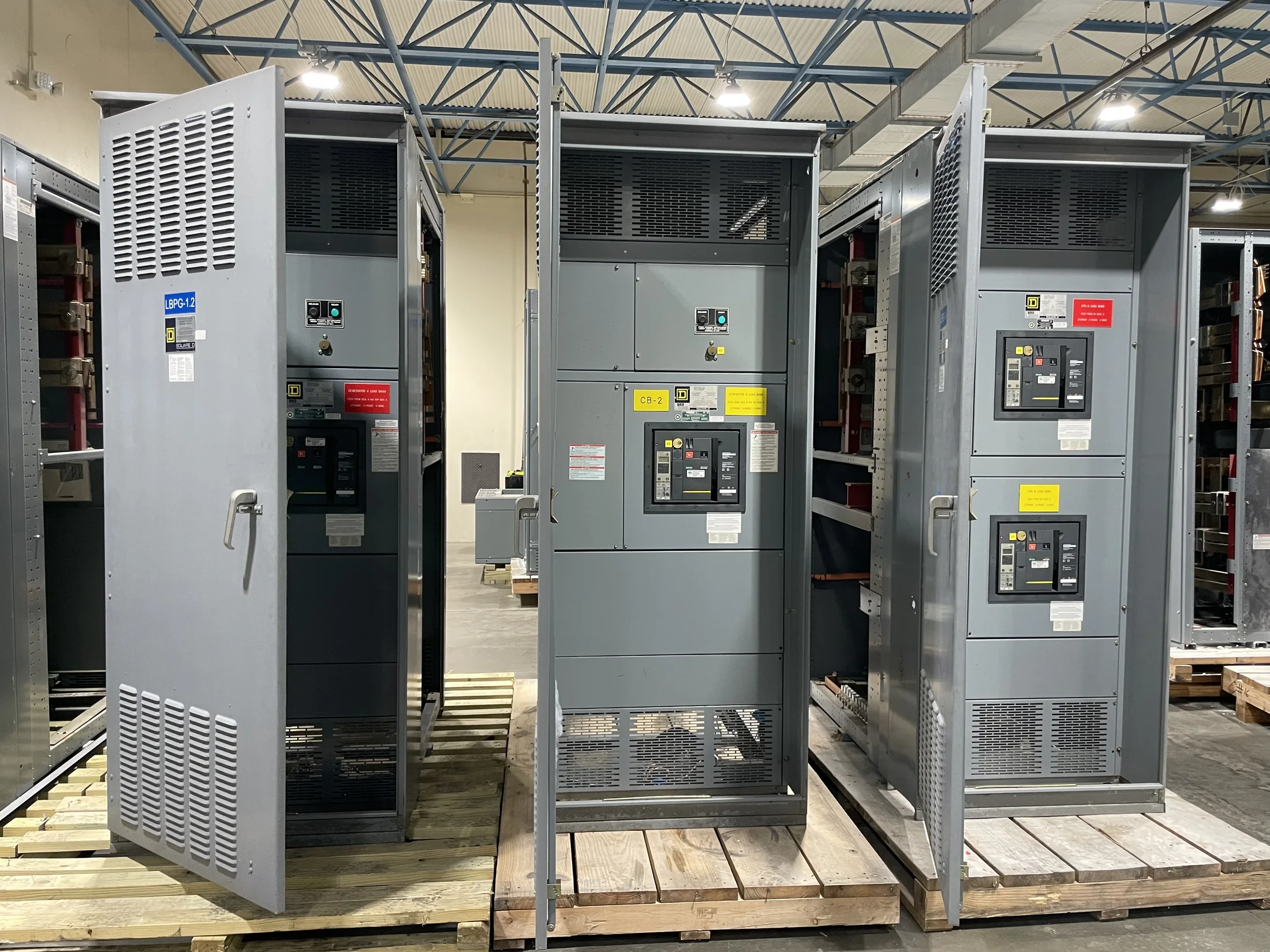
What a NEMA 3R Rating Addresses
NEMA 3R describes an enclosure intended to provide a degree of protection against falling rain, sleet, snow, and external ice formation. It is commonly considered for outdoor electrical distribution equipment, but the designation does not mean the interior is hermetically sealed or suitable for every environmental condition.
Confirm the exact enclosure requirements with the project engineer and applicable code, utility, and authority having jurisdiction. A 3R rating alone does not establish suitability for flooding, hose-directed water, corrosive atmospheres, combustible dust, or pressure washing. Where those exposures exist, identify them early and evaluate a different enclosure type or additional design measures.
Evaluate the Actual Weather Exposure
Describe the installation site rather than relying only on a broad label such as outdoor. Wind-driven rain, prevailing weather direction, snow accumulation, freezing and thawing, nearby roof edges, and runoff from canopies can affect enclosure placement and the way water reaches doors, seams, and cable-entry points.
Also consider ambient temperature, direct solar exposure, altitude where relevant, and nearby salt, chemicals, or industrial contaminants. These conditions can affect material selection, finish, internal temperature, and maintenance needs. Provide the manufacturer with site photographs or drawings and identify unusual exposure so the proposed configuration can be reviewed against project requirements.
Choose a Mounting Arrangement
NEMA 3R equipment may be installed on a pad, structural steel, a wall, or another engineered support, depending on equipment dimensions and project design. Confirm the available footprint, mounting elevation, anchorage approach, access clearances, and the weight and center of gravity of the configured assembly before finalizing the support.
A raised installation can help keep the enclosure clear of routine surface water or accumulated snow, but elevation must preserve safe access and comply with electrical working-space requirements. Coordinate the base or support with the equipment outline, conduit locations, door swing, lifting provisions, and site grading. The responsible engineer should verify structural and seismic requirements where applicable.
Plan Drainage Without Compromising Protection
Water should not be directed toward enclosure seams or allowed to collect around the base. Review pavement slope, roof discharge, trench drains, nearby landscaping, and the potential for snowmelt or ponding. Keep drainage paths clear of equipment foundations and avoid site details that channel water toward conduit entries or door openings.
Drainage provisions must be appropriate to the enclosure design and preserve its intended protection. Do not assume field-drilled openings, unapproved drains, or improvised weep paths are acceptable. Identify any requested ventilation or drainage features for engineering review, and confirm how the installation will handle condensation without creating an unintended path for rain or debris.
Coordinate Cable and Conduit Interfaces
Cable entry locations influence both layout and weather resistance. Confirm whether feeders enter from below, through a side, or by another approved arrangement, and provide conduit sizes, conductor information, and routing constraints. Bottom entry is often practical for outdoor equipment, but the actual configuration depends on the foundation, cable bending space, and equipment design.
The field interface should account for sealing methods, fittings, grounding and bonding, and access for installation and termination. Keep penetrations clear of structural members and internal components. Provide a dimensioned conduit plan and identify whether the utility or contractor has specific connection requirements; final details should be checked by the responsible engineer and coordinated with the AHJ.
Match Enclosure Layout to the Equipment
An outdoor enclosure must accommodate the specified distribution function, not just fit a nominal footprint. Identify whether the project calls for a UL 891 switchboard, UL 1558 low-voltage switchgear, or medium-voltage equipment; these are distinct equipment categories with different design and application considerations. A NEMA 3R designation does not determine voltage class or equipment standard.
Confirm service voltage, system configuration, ampacity, fault-duty requirements, incoming and outgoing arrangements, metering, protective devices, and control needs. These factors affect compartment layout, dimensions, heat dissipation, and access. The manufacturer can use project drawings and a one-line diagram to develop a custom-fabricated new equipment configuration for engineering review.
Preserve Safe Service and Operating Access
Outdoor location does not reduce the need for safe working space and maintainable access. Check door swing, operating handle reach, removable panels, cable termination areas, and the route technicians will use to approach the equipment. Coordinate barriers, bollards, fencing, and adjacent equipment so they do not obstruct operation or required clearances.
Consider how snow removal, landscaping, vehicle traffic, and routine site work could affect access over the equipment’s service life. Confirm lighting and any project-specific egress or security provisions with the design team. The enclosure arrangement should support the intended maintenance tasks while meeting applicable electrical and workplace requirements; the AHJ can clarify local enforcement.
Information to Provide for a Quote
A useful quotation package includes the one-line diagram, equipment type and applicable standard, voltage and current requirements, fault-duty basis, device schedule, metering and control details, and desired enclosure dimensions or site limits. Include a site plan, mounting details, conduit-entry plan, environmental notes, and any utility or owner specifications that affect interfaces.
State the required delivery location, requested schedule, submittal expectations, and constraints for shipping or handling. Identify open decisions rather than treating assumptions as approved requirements. The manufacturer builds new equipment in the United States using American components, offers custom fabrication, short lead times, and nationwide shipping; final design details remain subject to project review and approval.