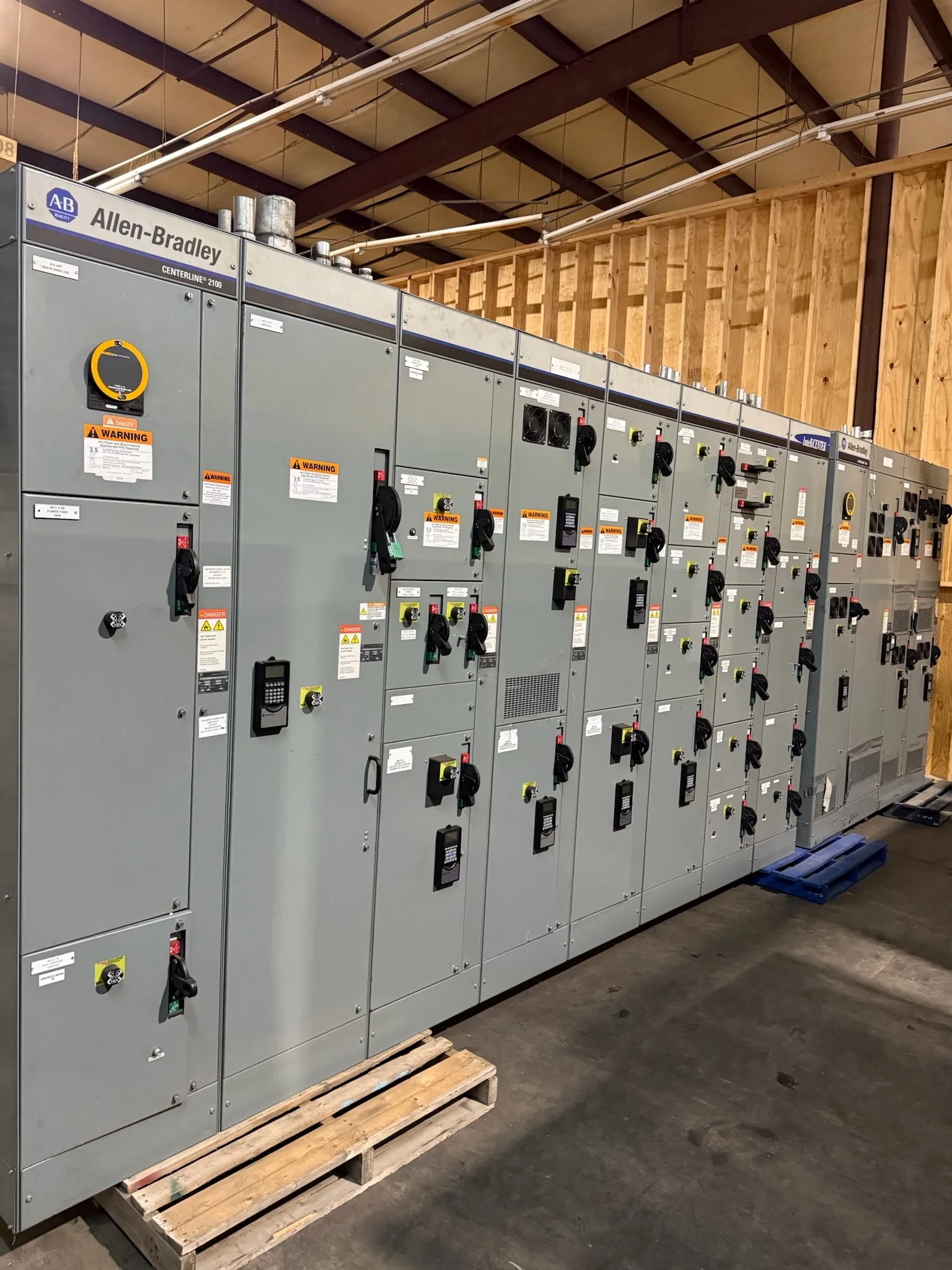
What NEMA 12 Is Intended to Address
NEMA 12 is an enclosure type intended for indoor use where protection is needed against circulating dust, falling dirt, lint, fibers, and dripping or light splashing noncorrosive liquids. For switchgear and distribution assemblies, it can be a relevant specification in manufacturing spaces, utility rooms, and other controlled industrial interiors.
The designation describes enclosure protection, not the electrical ratings or construction standard of the equipment inside. A low-voltage assembly may be designed to UL 891 as a switchboard or UL 1558 as low-voltage switchgear; neither classification is replaced by specifying NEMA 12. Medium-voltage equipment requires separate application review.
Describe the Actual Indoor Exposure
A suitability review begins with the conditions at the proposed installation point, not a general label such as “industrial.” Identify the kinds of dust or debris, whether they are airborne or deposited, and whether nearby processes create recurring lint, fibers, or falling dirt. Describe normal operation as well as cleaning and maintenance activities.
Clarify liquid exposure by source and direction: condensation, overhead drips, occasional splashing, or washdown are not interchangeable conditions. NEMA 12 should not be assumed suitable for hose-directed cleaning, frequent heavy spray, immersion, outdoor weather, or corrosive liquids. If any exposure falls outside the intended indoor conditions, request an engineering review of other enclosure options.
Consider Condensation and Temperature
Indoor equipment can still encounter condensation when ambient temperature changes, humid air reaches cooler surfaces, or ventilation patterns shift. Share expected room conditions, seasonal temperature swings, and any known moisture events. An enclosure type alone does not control internal humidity, prevent condensation, or establish a permissible operating temperature for the electrical assembly.
Thermal review must account for the switchgear configuration, connected load, heat-producing components, enclosure dimensions, and the room’s ability to remove heat. Ventilation openings or cooling provisions can affect dust protection and may change the enclosure design. Confirm acceptable temperature rise, clearances, and any monitoring or conditioning requirements with the responsible electrical engineer.
Match the Enclosure to the Assembly
A NEMA 12 requirement should be reviewed alongside the equipment’s function and construction: service entrance or distribution use, bus arrangement, incoming and outgoing devices, metering, control circuits, and future provisions. The requested enclosure type does not establish voltage, interrupting rating, short-circuit withstand, or accessibility; those remain project-specific electrical decisions.
For a switchboard, confirm whether the specified basis is UL 891 and provide the system voltage, service conditions, and required sections. For low-voltage switchgear, clarify whether UL 1558 construction is required. If the project involves medium voltage, identify the equipment class and application separately; do not treat NEMA 12 as a medium-voltage product standard.
Check Doors, Access, and Room Layout
Enclosure selection has to work with how personnel operate and maintain the equipment. Confirm which doors or covers need routine access, where operators stand, and whether the room layout permits the required working space and egress. Include obstructions such as piping, cable tray, structural members, and adjacent equipment in the layout information.
The manufacturer can review dimensions, section arrangement, cable entry, and access needs when developing a custom-fabricated assembly. Project requirements for front or rear access, floor mounting, conduit locations, and shipping splits should be stated early. The responsible engineer and authority having jurisdiction should confirm installation clearances and applicable electrical and building requirements.
Review Materials and Process Chemicals
NEMA 12 does not mean an enclosure is suitable for every indoor atmosphere. Cleaning agents, oils, process residues, or airborne chemicals may affect materials and finishes, particularly where deposits remain on surfaces. Identify chemical names when available, concentration or dilution, cleaning frequency, and whether the enclosure receives direct contact.
Where corrosion or chemical exposure is possible, have the design reviewed for material and finish compatibility rather than relying on the type number alone. Also explain whether the equipment is near food processing, metalworking, paper production, or another process that creates unusual residues. These details help determine whether the specified enclosure is appropriate or needs a different solution.
Provide Complete Information for a Quote
A useful quote request identifies the equipment type, applicable construction standard, system voltage, main and branch device requirements, bus details, metering, control needs, and the requested NEMA 12 enclosure. Include one-line diagrams, schedules, specifications, available fault-current information, and any required dimensions or site constraints when they are available.
Add the installation location and a concise exposure description: dust type, liquid source, cleaning method, ambient conditions, and any chemical contact. State preferred cable entry, access, future spaces, delivery destination, and project schedule. The U.S. manufacturer builds with American components, offers custom fabrication, short lead times, and nationwide shipping; timing depends on scope and confirmed requirements.
Confirm Suitability Before Final Specification
Treat NEMA 12 as an application choice to verify, not a blanket assurance for an entire facility. Compare the stated enclosure intent with observed conditions, foreseeable maintenance practices, and any changes planned for the room. If exposure is uncertain or may include heavier liquid ingress, outdoor conditions, or corrosive substances, resolve that uncertainty before design release.
The responsible engineer should coordinate the enclosure specification with equipment ratings, protection, heat management, installation details, and applicable codes. Obtain utility input where service requirements are involved and AHJ review where required. A clear, project-specific specification supports accurate fabrication and helps avoid choosing an enclosure solely because its type number appears familiar.