Start with the Actual Installation Environment
An indoor equipment room and an outdoor pad may serve the same electrical system, but they expose equipment to different conditions. Begin by describing where the gear will sit, what surrounds it, how it connects to the building or process, and whether the location is permanent or temporary. These details shape configuration decisions.
For a quote, provide the project location, site plan or room layout, intended installation date, and a description of normal operating conditions. Identify unusual heat, dust, moisture, corrosive substances, vibration, or washdown. Do not assume an indoor label means climate-controlled or that outdoor equipment faces only ordinary weather.
Room Conditions and Building Interfaces
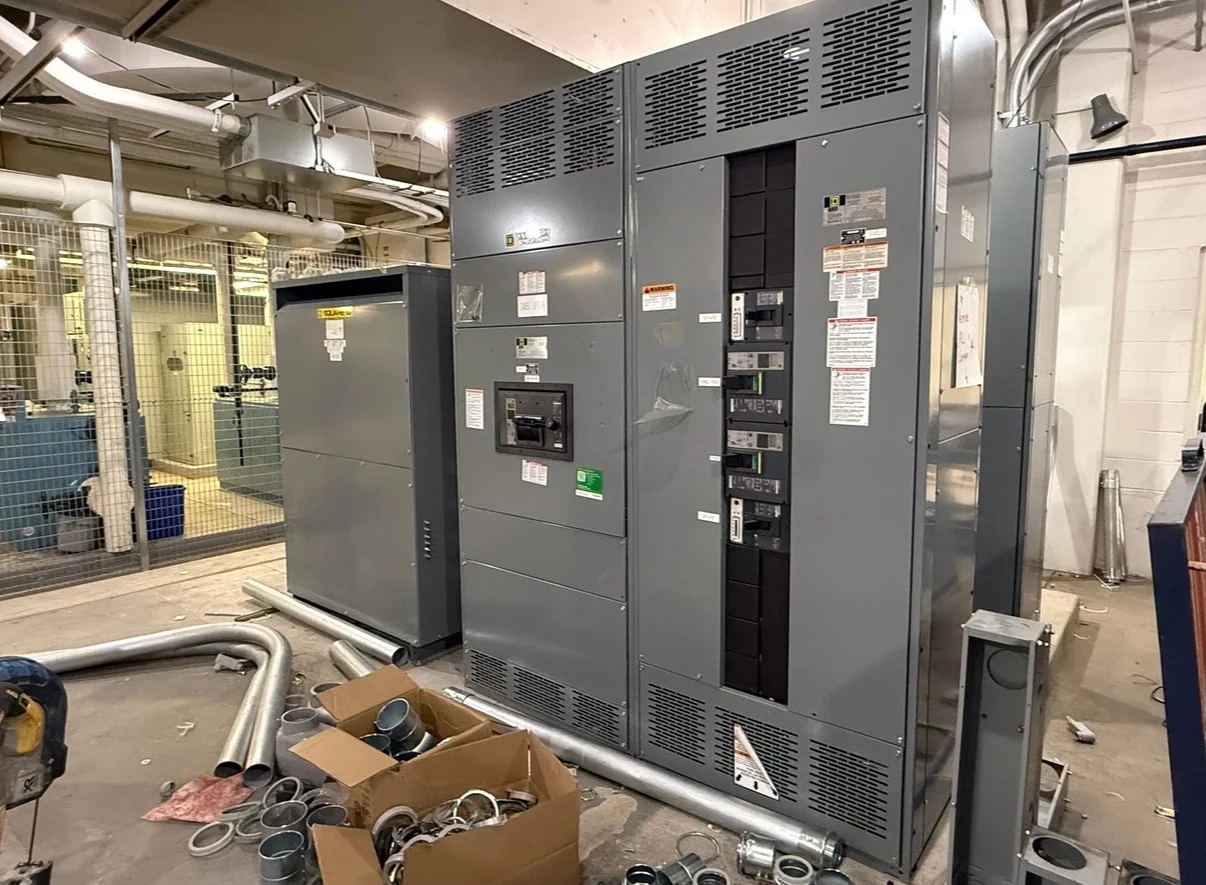
Indoor installations rely on the room’s construction and building systems. Confirm ceiling height, floor loading, ventilation or cooling approach, drainage, lighting, and nearby piping or other services. Heat from electrical equipment and surrounding loads may affect room temperature, so the responsible engineer should assess the complete installation rather than treat the room as a neutral enclosure.
Document wall and floor openings, cable trenches, conduits, and the intended entry directions for incoming and outgoing conductors. Identify fire-rated partitions or other building constraints that affect placement. Room dimensions alone do not establish feasibility: the equipment footprint, working clearances, cable-bending space, and route from delivery entrance to final position all matter.
Outdoor Exposure Is More Than Rain
Outdoor sites may expose equipment to wind-driven rain, snow, ice, solar heating, temperature swings, airborne dust, salt, chemicals, or flooding. Describe the actual site and foreseeable exposure, including whether equipment is near a coastline, roadway, process exhaust, cooling tower, or irrigation. These conditions can influence enclosure selection and installation details.
Provide available environmental data and identify any site-specific requirements for corrosion resistance, sun exposure, drainage, snow clearance, or protection from impact. The equipment configuration and enclosure provisions must be determined for the application; no generic outdoor description establishes a particular rating or guarantees suitability. Have the responsible engineer review environmental assumptions and applicable codes.
Enclosure and Equipment Configuration
An indoor location may allow a room-based arrangement, while an outdoor installation may require an enclosure suited to exposure and access conditions. The appropriate construction depends on the project’s electrical design and environment. Confirm equipment type and applicable standards: UL 891 applies to switchboards, UL 1558 to low-voltage switchgear, and medium-voltage equipment follows separate requirements.
Specify voltage, system configuration, current and fault-duty requirements, feeder count, metering, protective devices, and control interfaces as defined by the project. State whether the design calls for a particular lineup arrangement or future provisions. These are engineering inputs, not assumed standard features; the manufacturer can review custom fabrication needs against the approved project documents.
Service Access, Working Space, and Safety
Plan service access before fixing the equipment location. Identify the working side or sides, door or compartment access, likely maintenance tasks, and whether personnel need to reach the gear during normal facility operations. Show adjacent equipment, walls, barriers, traffic paths, and any restrictions that could obstruct inspection or safe operation.
Applicable working clearances and access provisions depend on the installation, equipment, and governing requirements. The responsible engineer should verify them with the authority having jurisdiction where appropriate. For outdoor sites, also consider gate widths, secure access, snow storage, standing water, and whether service vehicles or lifting equipment can reach the installation.
Delivery Route, Placement, and Connections
A suitable final location is not enough if the equipment cannot be delivered and set in place. Share entrance dimensions, corridor turns, elevator or loading-dock limits, overhead obstructions, floor transitions, and available staging space. For outdoor placement, identify the access road, pad dimensions, crane or forklift restrictions, and the sequence for installing foundations and conductors.
Provide connection drawings or preliminary routing for busway, cable, conduit, grounding, and control wiring. Note whether connections enter from above, below, or another specified direction. Actual arrangements need review against equipment dimensions, conductor bend requirements, field installation plans, and structural supports; do not rely on a location sketch alone to confirm fit.
Information That Makes a Quote Useful
A useful quote package identifies the indoor room or outdoor site, environmental conditions, available layout, electrical one-line, equipment schedule, and required project documents. Include known dimensions, connection directions, access constraints, delivery limitations, and requested standards or specifications. Clearly mark items still under design review so assumptions can be distinguished from confirmed requirements.
Also state the project schedule, shipping destination, preferred submittal process, and any coordination needs with the contractor or engineer. Missing details do not automatically prevent an initial discussion, but they can affect scope and configuration. The manufacturer builds new equipment in the United States using American components and can consider custom fabrication for defined project needs.
Review Conditions Before Finalizing the Design
Before release, compare the approved equipment documents with the latest room or site plan. Confirm clearances, mounting and support details, cable routes, ventilation assumptions, environmental provisions, and service access. Check that building work, foundations, conduits, and delivery arrangements align with the equipment configuration rather than relying on early planning dimensions.
Have the responsible engineer review electrical design and installation conditions, and coordinate with the utility and AHJ where relevant. Requirements can vary by application and jurisdiction. Once project inputs are clear, the manufacturer can prepare equipment for the specified installation and coordinate nationwide shipping; final suitability depends on the reviewed design and site conditions.