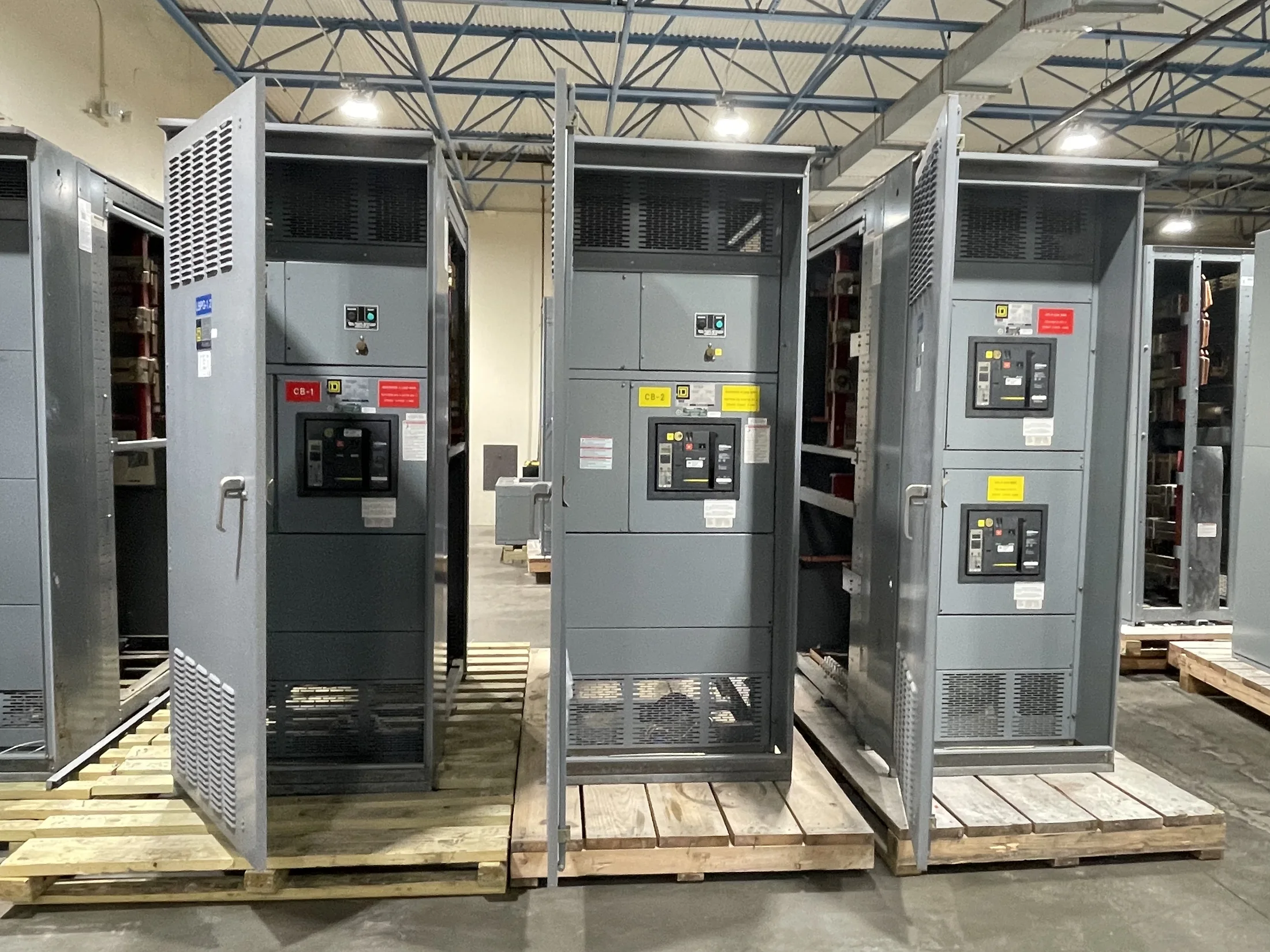
Start by separating product and installation requirements
A switchgear specification draws on different kinds of requirements. Applicable IEEE C37 standards describe equipment design, ratings, construction, and performance for defined types of switchgear. The National Electrical Code addresses electrical installations, including how equipment is selected, connected, protected, and installed. One does not replace the other.
For a new-equipment quote, identify which standards and code editions the project documents require, and who has authority to resolve conflicts. Project specifications, utility criteria, and the authority having jurisdiction may add requirements. The responsible engineer should confirm how those inputs apply to the particular system and installation.
Identify the equipment class before citing C37
IEEE C37 is a family of standards, not a single blanket approval or specification. Applicable documents depend on equipment type, voltage class, switching devices, and intended service. Medium-voltage metal-clad switchgear, for example, has different product considerations from low-voltage distribution equipment. Avoid citing a C37 document without checking its scope.
For low-voltage assemblies, distinguish UL 891 switchboards from UL 1558 low-voltage switchgear; they are not interchangeable labels. Neither standard should be presented as covering medium- or high-voltage equipment. Tell the manufacturer the required assembly type, nominal system voltage, and any specified product standard so the quote addresses the intended construction.
Specify system conditions and ratings for evaluation
A useful equipment specification states the system voltage, frequency, phase, grounding arrangement, and available fault current at the equipment location. Identify required continuous-current and short-circuit ratings, including the basis and duration where applicable. These values depend on the system study and equipment design; they should not be assumed from a typical installation.
For IEEE-governed equipment, relevant requirements can vary with the switching device, enclosure configuration, and service conditions. Provide ambient temperature, altitude, indoor or outdoor location, and unusual environmental exposures when known. The responsible engineer must verify ratings and conditions against the system study, utility information, applicable standards, and project documents.
Use the NEC to describe installation constraints
NEC requirements affect the installation around the equipment, not just the assembly specification. Confirm working space, access, egress, conductor routing, grounding and bonding, overcurrent protection, and any applicable provisions for the equipment type and location. The adopted NEC edition and local amendments matter, so identify the jurisdiction and project basis.
Installation constraints can influence enclosure dimensions, cable entry locations, termination arrangements, and service access. Share room layouts, one-line diagrams, conduit plans, and known obstructions for review. The manufacturer can evaluate requested equipment configuration, but the electrical designer and installer remain responsible for code-compliant layout, wiring, and field installation.
Coordinate utility and project-specific requirements
Utility service rules may establish metering, service entrance, protection, grounding, or access requirements beyond the general project description. Obtain the utility's current criteria and identify the service point, ownership boundaries, and any required interface equipment. Utility acceptance is separate from conformity to an equipment standard or compliance with the NEC.
Project documents may also call for particular compartments, interlocks, control power, instrumentation, communications, or protective relaying. State whether these are mandatory, preferred, or still under engineering review. Include relevant control schematics and relay settings criteria when available, while recognizing that final coordination and utility approval depend on the project.
Define configuration and interfaces for a quote
A quote is more useful when it reflects the actual lineup and connections. Provide a current one-line diagram, feeder and main-device schedule, bus arrangement, incoming and outgoing cable details, and any tie or transfer scheme. Identify the number of sections, preferred arrangement, and whether future provisions are part of the design.
Also specify enclosure location, access needs, cable entry direction, termination space, and required finish or environmental considerations. Mark assumptions and unresolved choices rather than allowing them to be mistaken for confirmed requirements. A U.S. manufacturer building new equipment with American components can review custom fabrication options and nationwide shipping needs against the project information.
Resolve documentation, inspection, and acceptance expectations
List the submittals and records required for engineering review, construction, and turnover. Depending on the project, these may include outline drawings, elementary diagrams, bills of material, nameplate data, and operation or maintenance documentation. State the review schedule and required format; do not assume every requested document is included in every configuration.
Clarify inspection, witness, and acceptance requirements before release for manufacture. Applicable IEEE provisions, project specifications, and procurement documents may define distinct expectations. Identify the responsible parties and any required hold points. Any stated test or listing requirement should be confirmed for the proposed build rather than inferred from a generic product description.
Build a review package that supports decisions
Before requesting pricing, assemble the governing IEEE references, NEC edition and jurisdiction, utility criteria, one-line diagram, system study data, and equipment schedule. Note the required delivery location, requested shipping window, and project milestones. Short lead times may be available, but feasibility depends on confirmed scope, design review, and component availability.
Ask the responsible engineer to verify the equipment class, ratings, and installation assumptions, then route code questions to the AHJ and service questions to the utility. This review separates product-standard compliance from installation compliance and exposes gaps early. The resulting package gives the manufacturer a clear basis for evaluating a new, project-specific equipment proposal.