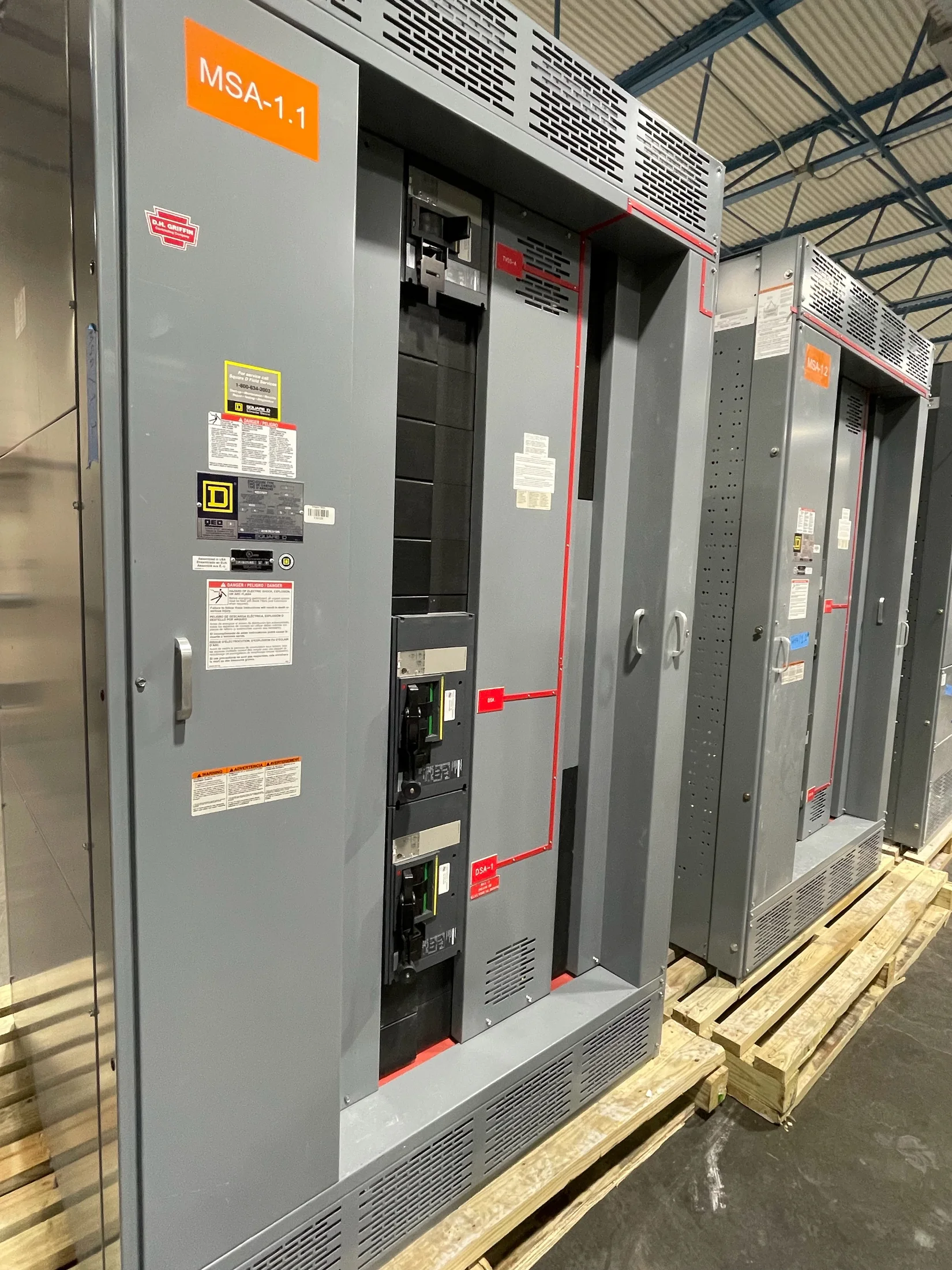
Start with the installed environment
An enclosure designation helps describe protection against defined environmental conditions, but it does not replace an installation review. Record whether equipment will be indoors or outdoors, exposed to rain, washdown, dust, condensation, corrosive agents, or temperature swings. Consider both normal operation and maintenance conditions, including doors opened for access.
Exposure can vary across one facility. A switchboard in a conditioned electrical room faces different conditions from equipment near a loading dock, process line, or outdoor service entrance. Identify the actual location and nearby activities before selecting a designation; assumptions based on the building type alone may miss localized water, debris, or chemical exposure.
Understand what a designation does—and does not—say
In the United States, NEMA enclosure type designations are commonly used to describe enclosure suitability for specified environmental conditions. They distinguish, for example, certain indoor and outdoor applications and forms of protection from water or dust. The designation should be interpreted against its defined scope, not treated as a general measure of equipment quality.
An enclosure designation does not establish every attribute of the complete electrical installation. It does not by itself determine interrupting ratings, short-circuit withstand, temperature rise, arc-resistant construction, or suitability for a hazardous location. Confirm those requirements separately through applicable codes, equipment standards, project documents, and review by the responsible engineer.
Match protection to the exposure mechanism
Describe how moisture or contaminants can reach the equipment. Occasional dripping, wind-driven rain, directed hose spray, airborne dust, and corrosive mist are different exposures and may call for different design decisions. Specify cleaning methods and frequency, too: a routine washdown can create a more demanding condition than incidental splashing.
Also consider what the enclosure must protect against in its particular setting. Outdoor placement may involve sunlight, windblown material, standing water, or ice, while indoor locations can still experience condensation, lint, conductive dust, or chemical vapors. These factors require project-specific evaluation; do not infer that a single designation addresses every environmental concern.
Account for the complete equipment arrangement
Protection depends on the assembled equipment and its openings, not simply on the cabinet outline. Review doors, seams, cable-entry areas, ventilation paths, louvers, operator devices, meters, and any external controls. Cable routing and conduit entries can affect how the completed installation handles exposure, so installation details must be coordinated with the equipment design.
For multi-section switchboards or low-voltage switchgear, confirm whether the requested designation applies to each section and to the assembled lineup. Barriers, transition sections, access provisions, and field-installed accessories can affect the overall arrangement. Discuss modifications before release for fabrication, since a change to ventilation or access may affect both environmental protection and thermal design.
Balance enclosure protection with heat management
Reducing openings can influence heat dissipation, while electrical equipment produces heat under load. The design review must consider enclosure construction alongside equipment ratings, loading, ambient temperature, ventilation approach, and any required cooling provisions. A more protective enclosure should not be assumed to resolve thermal needs without evaluating the complete configuration.
Provide expected operating load and ambient conditions, including unusual peaks or nearby heat sources, when requesting a design. Identify whether the installation has space constraints that limit ventilation or service access. The responsible engineer should review thermal suitability and applicable requirements; the manufacturer can use the project information to assess feasible construction choices.
Check codes, location rules, and project documents
The applicable enclosure requirements can depend on the adopted electrical code, installation location, owner specifications, utility requirements, and the authority having jurisdiction. Hazardous locations may require equipment evaluated and marked for the specific classification and conditions; an ordinary enclosure designation alone does not establish that suitability.
Before specifying equipment, reconcile the drawings, schedules, specifications, and site standards. Ask the responsible engineer to resolve conflicts and confirm the required designation and any separate certifications or markings. The utility and AHJ should be consulted where their requirements apply, especially for service equipment, outdoor installations, or locations with special use conditions.
Prepare useful information for a quotation
A quote request should identify equipment type, system voltage, lineup arrangement, service conditions, and the requested enclosure designation, if already established. Include indoor or outdoor location, exposure sources, ambient range, washdown practices, corrosive agents, cable-entry direction, and installation constraints. Attach relevant drawings and specifications rather than relying on a brief label.
State which requirements are mandatory and which are preferred, and identify the party responsible for final design approval. Note accessories, operator devices, metering, ventilation, and field connections that may affect the enclosure. Clear inputs help the manufacturer evaluate custom fabrication options and prepare a build proposal without assuming unconfirmed ratings or features.
Confirm the final design before release
Review the proposed equipment configuration against the exposure conditions and project documents before approving fabrication. Confirm the designation applies to the requested arrangement, including accessories and entry provisions, and clarify what installation work must be completed in the field. Do not treat an enclosure label as a substitute for correct mounting, sealing, or maintenance.
A U.S. manufacturer building new switchgear and power distribution equipment with American components can work from project-specific requirements, provide custom fabrication, and ship equipment nationwide. Lead time depends on scope and current production conditions. Final design decisions remain subject to engineering review and applicable utility and AHJ requirements.