Start with the Equipment and Installation
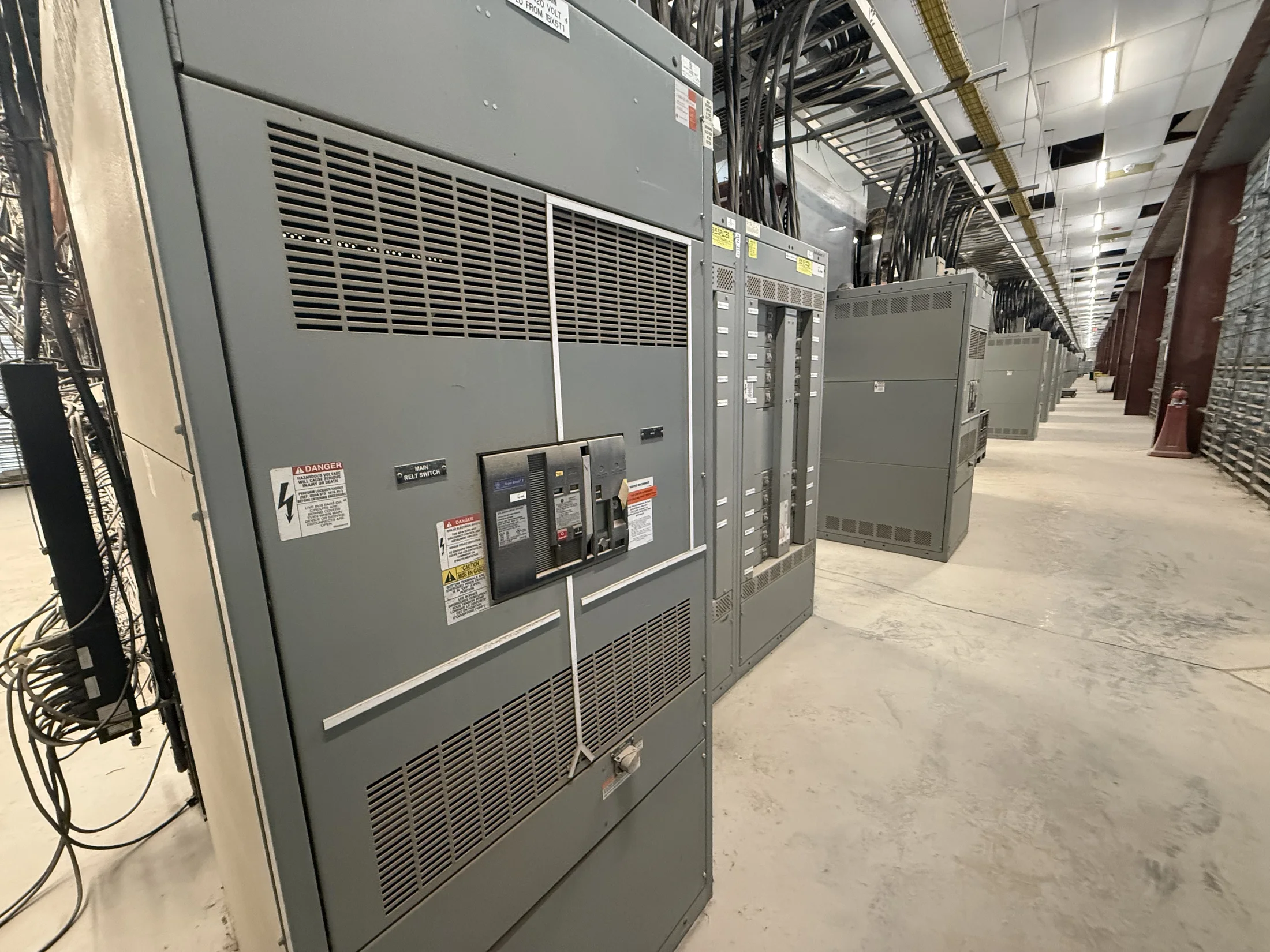
Enclosure material selection begins with what the enclosure must contain and how it will be installed. A switchboard, low-voltage switchgear lineup, or control section may require different structural support, door arrangements, lifting provisions, and access clearances. Material alone does not establish suitability for the complete assembly.
Identify indoor or outdoor placement, floor or wall mounting, lineup dimensions, cable entry direction, and any shipping or rigging limits. These details influence panel construction and handling. The responsible electrical engineer should verify that the proposed design fits the installation and applicable project requirements.
Compare Mechanical Strength and Rigidity
Steel is commonly considered when enclosure stiffness and resistance to dents or handling damage are priorities. Gauge, formed geometry, reinforcement, door size, and internal framing all affect the finished structure, so a material label cannot substitute for reviewing the configuration and mechanical requirements.
Aluminum can reduce enclosure weight, but its strength and stiffness depend on alloy, thickness, shape, and support design. Stainless steel selection also requires attention to thickness and fabrication details. Confirm expected loads, lifting points, door operation, mounting method, and transport conditions before specifying a material.
Match Corrosion Resistance to the Site
Corrosion exposure varies substantially between a conditioned electrical room, a washdown area, a coastal location, and an industrial process space. Moisture, salt, cleaning agents, airborne chemicals, and temperature cycling can affect enclosure surfaces and hardware. Describe the actual exposure rather than relying only on a broad environment label.
Stainless steel may be considered for demanding corrosive environments, while coated carbon steel can suit many indoor or controlled outdoor installations. Aluminum is another possible choice, but dissimilar metals and contact conditions need review. Confirm cleaning methods, chemical exposure, drainage, and maintenance expectations with the project team.
Account for Weight and Handling
Material density affects enclosure weight, but overall assembly mass also depends on dimensions, internal equipment, bus, barriers, and structural design. Lower enclosure weight can matter where access is restricted or lifting capacity is limited; it does not by itself determine whether a design is appropriate.
Provide shipping-piece dimensions, site access constraints, crane or forklift capacity, and any floor loading limits when requesting a quote. A long lineup may be divided into sections according to electrical and transport requirements. Confirm section splits, lifting arrangements, and reassembly needs before finalizing the layout.
Specify the Finish for Service Conditions
Finish selection should reflect exposure, appearance expectations, and the way the equipment will be cleaned and maintained. Painted steel may require a defined color and coating approach; stainless steel can have different surface finishes, and aluminum may receive a specified treatment. Confirm the desired finish rather than assuming a standard.
Consider whether the enclosure is visible to occupants, adjacent to process equipment, or exposed to routine washdown. Coating compatibility, edge coverage, and hardware materials can matter in corrosive settings. The project specification should identify finish requirements, color references, and any special preparation or inspection expectations.
Check Electrical and Thermal Constraints
Enclosure material is one part of an electrical assembly design. Bus arrangement, component mounting, clearances, ventilation, heat dissipation, and access for maintenance remain central considerations. A material change can affect fabrication and thermal behavior, so it should be reviewed against the actual equipment configuration rather than treated as a cosmetic substitution.
For switchboards, distinguish the applicable UL 891 requirements from UL 1558 low-voltage switchgear requirements. Medium-voltage equipment follows different standards and design considerations; UL 891 does not cover medium- or high-voltage equipment. Confirm the intended equipment type, ratings, and project standards with the responsible engineer.
Coordinate Fabrication and Material Compatibility
Custom enclosure fabrication may involve cutouts, flanges, doors, mounting features, and provisions for cable access. Each affects structural continuity and finish coverage. Specify instrument locations, conduit or cable entry points, hardware preferences, and interface dimensions early so the material and construction can be evaluated together.
Where multiple metals meet, ask the design team to review compatibility in the site environment and consider suitable isolation or hardware choices. This is particularly important where moisture or salts can create corrosion concerns. Provide drawings, interface details, and any owner standards when requesting a new equipment build.
Prepare a Complete Material Specification
A useful quote request states the equipment type, indoor or outdoor location, enclosure dimensions, mounting method, exposure conditions, preferred material, finish, and relevant mechanical limits. Include one-line diagrams, layout drawings, cable-entry requirements, and project standards when available. Note which items are mandatory and which are preferences.
A U.S. manufacturer building new equipment with American components can review custom fabrication needs and arrange nationwide shipping. Final material selection remains project-specific: confirm the design with the responsible engineer, utility, and authority having jurisdiction where applicable. Do not assume a particular rating, listing, or finish without written confirmation for the build.