Start with the Study and the Work Task
Arc flash mitigation begins with a qualified analysis of the electrical system and the tasks people must perform. Incident energy depends on available fault current, protective-device clearing time, working distance, system configuration, and other inputs. A specification should identify the study basis and the operating conditions engineers must evaluate.
Clarify whether the objective is reducing incident energy at selected work locations, limiting exposure through remote operation, or both. These are different design problems. The responsible engineer should assess normal and alternate feeds, tie positions, maintenance states, and foreseeable switching arrangements rather than relying on a single operating snapshot.
Choose Equipment by Voltage Class and Application
For low-voltage distribution, identify whether the project calls for a UL 891 switchboard or UL 1558 low-voltage switchgear. They are distinct equipment categories, and the specification should follow the applicable construction standard and project requirements. Neither standard is a medium-voltage equipment standard.
Medium-voltage lineups require a separate application review, including system voltage, insulation requirements, protective devices, switching duties, and utility criteria. Do not transfer low-voltage assumptions to medium-voltage equipment. Provide one-line diagrams and available fault-current data so the manufacturer can review the requested configuration with the project team.
Evaluate Protective-Device and Coordination Options
Faster protective-device clearing can reduce calculated incident energy in some conditions, but settings must still coordinate with upstream and downstream devices and meet equipment protection requirements. Ask the engineer to evaluate trip functions, short-time delays, instantaneous response, and ground-fault protection against the actual fault-current range.
A maintenance or energy-reduction mode may permit a temporary setting change during qualified work, depending on the selected trip unit and equipment design. The specification should define activation, indication, access control, procedures, and restoration to normal settings. Confirm compatibility with the protection study and applicable codes before requiring this feature.
Consider Arc-Resistant Construction Separately
Arc-resistant equipment is intended to manage effects of an internal arcing fault under defined conditions; it is not a substitute for reducing fault likelihood, incident energy, or safe work practices. Where considered, identify the applicable equipment category, access conditions, lineup arrangement, and installation requirements for engineering review.
The project team should confirm whether the intended construction and configuration meet the applicable standard and the owner's operational needs. Doors, covers, barriers, cable compartments, ventilation, and adjacent equipment can affect the evaluated arrangement. Do not assume a requested feature applies to every lineup or operating position without confirmation.
Review Remote Operation and Work Practices
Remote racking, remote switching, or other controls can move an operator away from equipment during selected operations. Their value depends on which devices are included, control-station location, required interlocks, control power, communications, and the tasks performed. Specify the operations to be performed remotely rather than naming a feature alone.
Remote operation does not by itself establish an acceptable risk level for inspection, troubleshooting, or maintenance. Confirm operating procedures, worker training, boundaries, labeling, and required personal protective equipment with the employer's electrical safety program. The responsible engineer and safety personnel should align equipment options with the facility's documented practices.
Protect Coordination, Reliability, and Future Operation
Mitigation choices can affect selectivity, continuity of service, motor starting, transformer energization, and coordination with utility protection. A setting that reduces clearing time in one case may cause unwanted trips or fail to preserve required downstream coordination. Evaluate representative operating modes and contingencies before locking in device functions or settings.
Document who will furnish final settings, who will verify them during commissioning, and how changes will be controlled. If future loads, tie operation, or utility conditions may change, identify those assumptions. Equipment can be configured to project requirements, but its suitability depends on approved engineering and the final system study.
Provide Complete Inputs for a Useful Quote
A quotation review is more effective with the one-line diagram, voltage and frequency, bus and feeder schedule, available fault-current data, source and tie details, and required equipment standard. Include enclosure and environmental conditions, access orientation, cable-entry needs, control-voltage preferences, and any specified protection or remote-operation functions.
Also provide the arc flash study or clearly identify which study information is available and which remains pending. Share required construction documents, project specifications, preferred manufacturers or device constraints, schedule milestones, and shipping destination. These inputs help define scope; final ratings, options, and compliance remain subject to engineering review and approval.
Coordinate Submittals, Fabrication, and Approval
Submittals should make the proposed lineup, protective devices, control interfaces, and requested mitigation options reviewable against the project documents. Identify exceptions and unresolved assumptions early. Changes to fault-current data, feeder loads, device settings, or lineup arrangement can require renewed study and may affect fabrication details or the equipment selection.
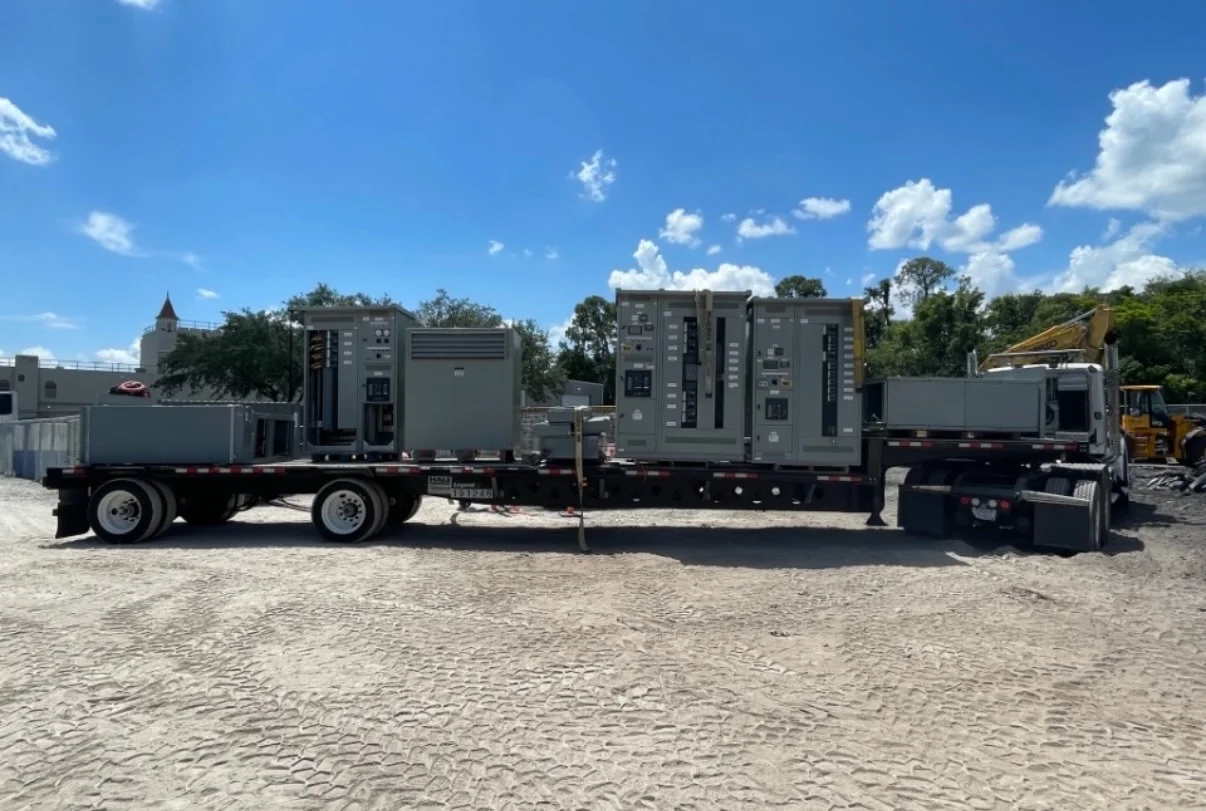
The manufacturer builds new equipment in the United States using American components, offers custom fabrication, and ships nationwide, including to Ohio projects. Lead time depends on the approved scope and current requirements. Have the responsible engineer, utility where applicable, and authority having jurisdiction review the design before release and installation.