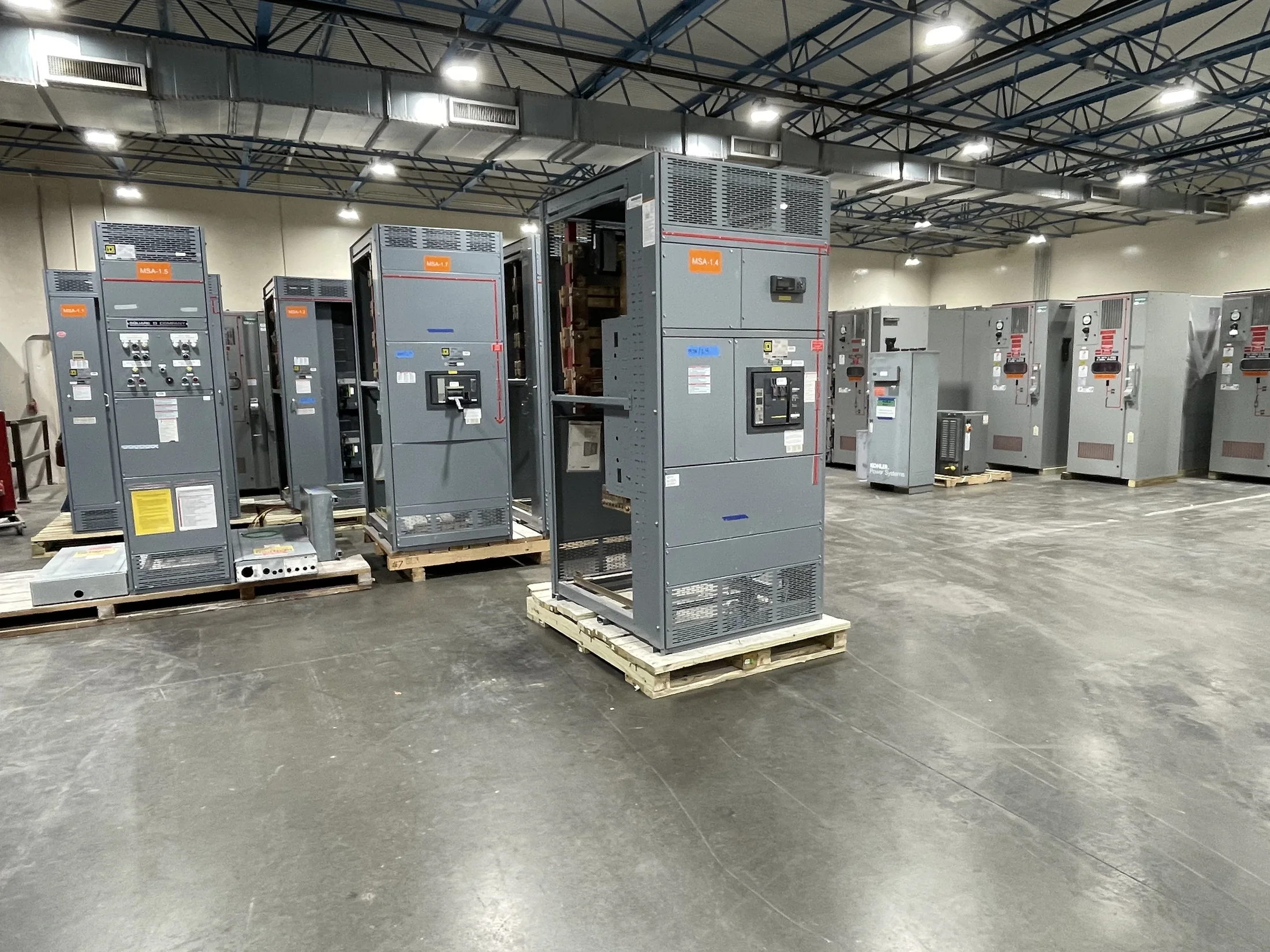
Define the Temperature the Equipment Will Actually See
Ambient temperature is the air temperature surrounding electrical equipment, not the temperature of a conductor or bus. For a switchboard or switchgear lineup, establish the expected conditions at the equipment location, including normal operation, seasonal extremes, and any sustained periods when the room or enclosure becomes unusually warm.
A building-wide thermostat reading may not represent a switchgear room exposed to roof heat, process exhaust, sunlight, or adjacent equipment. Record the installation location and expected minimum, maximum, and typical temperatures. Note whether values are measured, specified design conditions, or estimates, and identify the duration and frequency of extremes.
Separate Room Conditions from Enclosure Conditions
Temperature inside an enclosure can differ from the surrounding room because of heat generated by current-carrying components and the enclosure’s ability to release that heat. A compact lineup in a restricted space may experience different internal conditions than equipment with comparable loading in an open, conditioned electrical room.
For outdoor or process-area installations, document enclosure location, exposure to sun, nearby heat sources, airflow restrictions, and any planned shading or weather protection. Confirm whether equipment will sit in a conditioned room, an unconditioned building, or a separate housing; these distinctions inform thermal review and suitable configuration.
Check Ratings Against the Application
Do not assume a published or nameplate rating applies unchanged under every ambient condition. Verify the applicable product documentation and rating basis for the specific equipment, configuration, and installation. Temperature can affect permissible loading and the performance limits of components, so the responsible engineer should review the complete assembly and operating duty.
For low-voltage distribution, distinguish a UL 891 switchboard from UL 1558 low-voltage switchgear when identifying the equipment and its applicable documentation. Medium-voltage equipment has separate standards and rating considerations; UL 891 does not cover medium- or high-voltage equipment. Confirm the specified temperature conditions with the manufacturer and design team.
Evaluate Heat, Loading, and Ventilation Together
Ventilation review should consider more than room temperature. Current loading, simultaneous operation, component arrangement, enclosure construction, and the heat released by connected equipment all influence internal temperature. Provide the anticipated operating profile, including continuous loads, peak demand, and expected future expansion, rather than relying only on the service rating.
Where room cooling or mechanical ventilation is part of the design, confirm its capacity and operating assumptions with the facility team. Identify whether cooling is continuous, backed by an alternate system, or unavailable during certain conditions. The equipment specification should not assume ventilation performance that the project has not designed, provided, or verified.
Account for Site Elevation and Operating Conditions
Temperature is one part of the installation environment. Elevation, humidity, dust, corrosive contaminants, and restricted airflow may also affect equipment selection or the validity of rating assumptions. These factors should be considered together rather than treating an acceptable room temperature as proof that every application condition is covered.
For equipment installed in a high-elevation location, ask the responsible engineer and manufacturer to review whether applicable rating adjustments or other design checks are required. Provide the actual site elevation and environmental conditions early. Utility requirements and the authority having jurisdiction may also affect the final design or documentation.
Choose Configuration with Thermal Constraints in Mind
When space is limited, layout decisions can influence access for service and the path available for ventilation. Confirm working clearances, cable entry, adjacent walls, overhead obstructions, and the position of heat-producing equipment. A requested footprint should be reviewed alongside the intended loading and ambient conditions, not treated as an isolated dimension.
Custom fabrication can address project-specific dimensions and arrangements, but any change must remain consistent with the equipment’s applicable design and rating basis. Identify required sections, incoming and outgoing connections, metering, protection, and future provisions. The manufacturer can review these details while developing a configuration for newly built equipment.
Provide Useful Information for a Quote
A useful request for quotation states the equipment type and voltage class, system voltage, current requirements, installation location, expected ambient range, and whether the equipment will be indoors or outdoors. Include available drawings, one-line diagrams, load information, enclosure requirements, and any project specifications that define environmental limits.
Also describe cooling or ventilation provisions, site elevation, unusual heat sources, anticipated operating cycles, and planned expansion. Flag uncertain values rather than presenting estimates as guaranteed conditions. These inputs allow the manufacturer to identify questions, review the proposed configuration, and clarify what ratings or documentation need confirmation before an order is finalized.
Verify Assumptions Before Release and Installation
Before equipment release, compare the ambient assumptions in the specification, drawings, and purchase documents. Resolve conflicts about room temperature, enclosure location, loading, ventilation, or rating basis. The responsible electrical engineer should review the design, while the utility and AHJ should be consulted where their requirements apply.
At installation, confirm that actual site conditions match the reviewed assumptions, including clearances and the operation of specified cooling systems. If conditions have changed, seek engineering review before energizing or revising the equipment application. U.S.-built equipment with American components, custom fabrication, short lead times, and nationwide shipping can support projects when requirements are defined clearly.