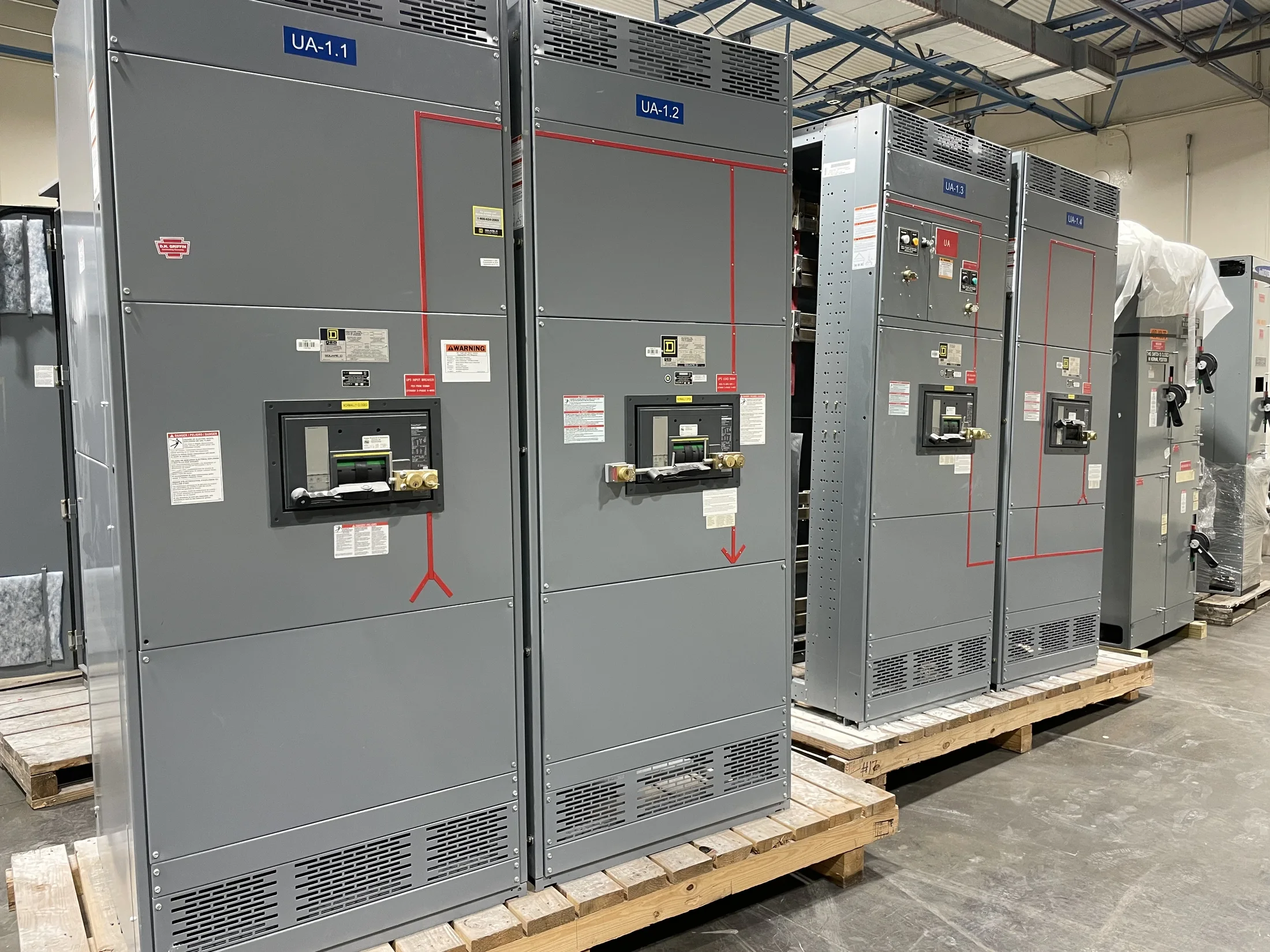
Elevation Changes the Design Conditions
Switchgear is selected for a defined electrical and environmental duty, not voltage alone. At higher elevation, thinner air provides less dielectric strength than air at lower elevations. This can affect insulation coordination and clearances, so equipment suitability should be confirmed for the actual installation altitude rather than assumed from a standard catalog description.
Elevation can also influence cooling because air density falls as altitude increases. The extent of any thermal impact depends on equipment design, heat sources, enclosure, loading, and ambient conditions. A design acceptable at a lower site elevation may need a different evaluation when installed in a mountain facility or elevated industrial location.
Start With the Highest Installed Elevation
For a quote or design review, provide the installation elevation above sea level for each switchgear location. If a project has multiple buildings, outdoor substations, or sites at different elevations, identify them separately. Include the highest expected elevation along the equipment route when the final installation point is not yet fixed.
Do not substitute a nearby city’s elevation without checking the actual site. Grade changes, rooftop rooms, and remote process areas can matter, particularly where the project specification sets a maximum elevation. The responsible engineer should confirm the reference elevation and any required design basis, then share that information with the manufacturer.
Review Insulation and Dielectric Requirements
At altitude, reduced air density can affect the dielectric performance of air gaps and insulation systems. The manufacturer needs to review the proposed equipment design against its applicable ratings and construction details. Confirm the system voltage, insulation requirements, indoor or outdoor application, and any specified withstand criteria rather than relying on a generic altitude statement.
Insulation coordination is a system-level engineering task. Switching devices, bus arrangements, terminations, and connected equipment may have different limitations or instructions. Ask whether the proposed configuration is suitable at the stated elevation and whether adjustments or additional design review are necessary. The engineer of record remains responsible for confirming the project’s electrical requirements.
Account for Heat Removal and Loading
Higher elevation may reduce the effectiveness of air-based heat transfer, but temperature rise cannot be inferred from elevation by itself. Loading profile, ambient temperature, enclosure ventilation, internal losses, bus configuration, and installation clearances all affect thermal behavior. Share expected continuous load and operating patterns so the manufacturer can assess the intended application.
Identify nearby heat-producing equipment, solar exposure for outdoor installations, room ventilation, and any restrictions on airflow. These details help distinguish an altitude concern from a broader thermal constraint. Do not assume that a standard current rating applies unchanged in every environment; obtain written manufacturer guidance for the specific equipment and conditions.
Identify Equipment Type and Construction
The applicable product standard depends on the equipment category. UL 891 applies to switchboards; UL 1558 applies to low-voltage switchgear. Medium-voltage equipment is a separate category with its own design and rating considerations. Altitude review does not change these distinctions, and UL 891 should not be treated as a medium- or high-voltage standard.
Provide the requested equipment type, nominal voltage, system configuration, protective-device requirements, and indoor or outdoor enclosure arrangement. Also identify whether the design is fixed or drawout where applicable, and note unusual bus or compartment requirements. These facts allow the manufacturer to evaluate the actual construction instead of offering a broad, potentially misleading altitude assumption.
Consider the Full Installation Environment
Altitude is only one input to suitability. Temperature range, humidity, condensation, contamination, corrosive agents, seismic conditions, and enclosure exposure can affect equipment selection and operating conditions. State which environmental conditions are known and which remain uncertain. For outdoor installations, describe exposure and site constraints that could influence ventilation, access, or enclosure design.
Coordinate equipment placement with building and electrical plans. Room dimensions, cable entry direction, working space, ventilation provisions, and nearby obstructions can affect installation and heat management. The contractor and facility team should verify these details early; the responsible engineer should resolve conflicts between environmental assumptions, project specifications, and applicable codes.
Prepare a Useful Quote Package
A useful request for quotation includes site elevation, equipment type, voltage, required ratings, load information, environmental conditions, and the governing project specification. Attach one-lines, schedules, and relevant room or site plans when available. Flag any owner standards, utility requirements, or stated altitude correction criteria that the design must address.
Where information is preliminary, mark assumptions and identify when final values will be available. Ask the manufacturer to state what configuration is being quoted and what conditions still require engineering confirmation. U.S.-built equipment with American components and custom fabrication can be supplied nationwide; project-specific lead time and shipping details should be confirmed with the quote.
Close Open Questions Before Release
Before approving submittals, compare the proposed equipment data with the site elevation, specified insulation and thermal requirements, and the equipment’s intended duty. Resolve deviations through documented review rather than informal assumptions. If the project changes elevation, loading, enclosure, or ventilation after selection, request a new assessment before construction or energization.
The manufacturer can provide guidance on its proposed equipment, but selection must align with the complete installation design. Have the responsible electrical engineer review the design, consult the utility where service conditions warrant, and obtain AHJ review as applicable. Clear coordination helps ensure the supplied configuration addresses the project’s actual altitude and operating environment.