Start With the Process Duty
A starter for a steel-processing motor must suit the work the motor performs, not just its nameplate horsepower. Conveyors, pumps, fans, roll drives, and auxiliary equipment experience different load profiles, starting frequency, and consequences of interruption. For Youngstown projects, document the process sequence and operating conditions before selecting a configuration.
Confirm motor voltage, full-load current, service factor where applicable, enclosure needs, and manufacturer data. Also identify whether the load starts empty or loaded, its acceleration requirements, and expected starts per hour. These facts inform starter selection and thermal considerations; they should not be inferred from a general equipment description.
Choose the Starting Method Deliberately
Across-the-line starting is straightforward but can produce substantial inrush and mechanical shock. Reduced-voltage methods, including soft starters or variable-frequency drives, may be appropriate when the process needs controlled acceleration, adjustable speed, or reduced starting impact. Their suitability depends on the motor, driven load, electrical system, and operating sequence.
Confirm whether the project calls for a combination starter, a soft-starter assembly, or a drive-based arrangement, and establish bypass requirements if applicable. Verify starting torque, acceleration time, stopping behavior, and allowable voltage dip with the responsible engineer. Do not assume a reduced-voltage option will meet process needs without reviewing load characteristics.
Define How Operators and Automation Control It
Control requirements shape the starter lineup and its interfaces. Establish whether operation is local, remote, or both; identify start, stop, jog, and reset functions; and clarify which operating modes are permitted. Steel-processing sequences may include interlocks between material handling, process equipment, and upstream or downstream machinery.
Provide the control voltage, PLC or control-system interface requirements, desired status points, and any hardwired permissives or emergency-stop interfaces. Identify who supplies field devices and control wiring. The design team should distinguish a command to run from a safety function and coordinate safety-related requirements with the responsible controls and safety engineers.
Coordinate Protection Across the System
Motor overload protection, short-circuit protection, and feeder protection serve different purposes and must be coordinated with the motor and upstream distribution. Selection depends on motor data, conductor sizing, available fault current, protective-device characteristics, and applicable electrical requirements. A starter should not be specified in isolation from its feeder and the facility system.
For a proposed build, provide the one-line diagram, protective-device information, motor list, and available fault-current data when known. Confirm coordination objectives and any selective-coordination requirements with the responsible engineer. The engineer should evaluate settings and device combinations for the actual installation, rather than relying on generic assumptions about the plant.
Account for Starting Frequency and Heat
Repeated starts, long acceleration periods, high ambient temperatures, and closely grouped equipment can affect thermal performance and component selection. A motor that starts infrequently under light load may present a different duty from one that cycles throughout a production shift. Capture actual operating patterns, including expected starts, stops, and periods of continuous operation.
Confirm enclosure location, ambient conditions, ventilation constraints, and whether equipment will be installed in a clean electrical room or a harsher process environment. Dust, heat, vibration, and access for maintenance may influence construction details. These conditions require project-specific review; no enclosure or thermal capability should be presumed from the application label alone.
Plan the Starter Lineup and Interfaces
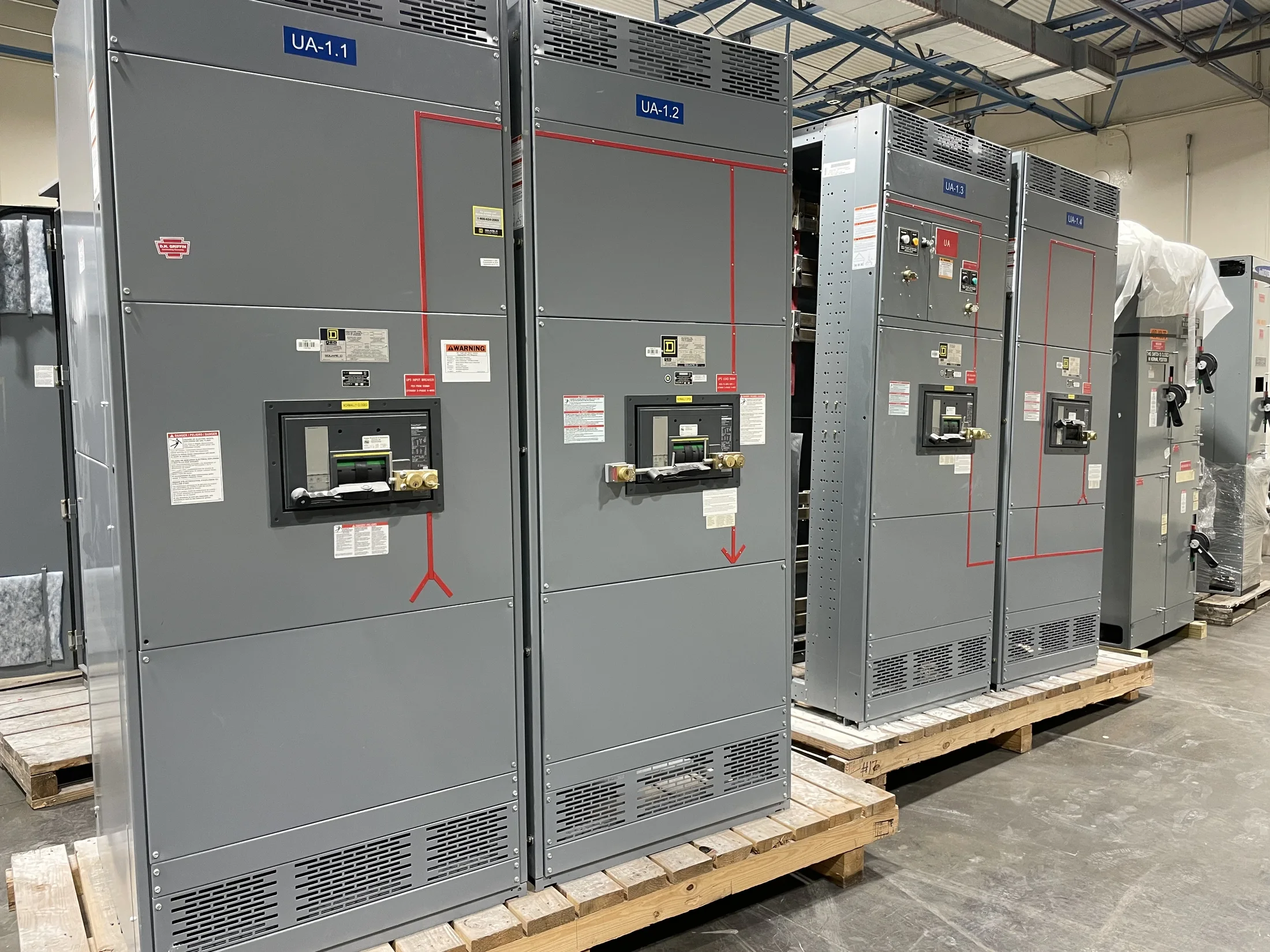
A starter may be supplied as part of a motor-control center, a switchboard-related distribution arrangement, or a separate control assembly, depending on project scope and equipment requirements. Define the number and types of motor circuits, spare provisions, incoming supply, cable entry, and physical constraints before layout is finalized.
Equipment standards and product categories matter. UL 891 applies to switchboards, while UL 1558 applies to low-voltage switchgear; neither should be treated as a general designation for medium-voltage equipment. Confirm the required equipment type, voltage class, applicable standards, and any project-specific approval needs for the proposed build.
Prepare a Complete Quote Package
A useful request for quotation identifies each motor and load, operating voltage, control method, starter type preference if known, duty cycle, and required protective functions. Include drawings, line diagrams, control schematics, communications requirements, installation constraints, and the desired equipment delivery point whenever available.
Flag unresolved engineering decisions rather than filling gaps with assumptions. Note whether the project involves a new installation, replacement within an existing lineup, or a broader distribution upgrade, and provide relevant interface dimensions and site restrictions. Clear scope helps determine fabrication details, component selection, and realistic schedule expectations for new equipment.
Build for the Youngstown Project Conditions
We manufacture new electrical switchgear and power distribution equipment in the U.S. using American components, offer custom fabrication, and ship to Youngstown and customers nationwide. Project-specific starter assemblies can be developed around documented motor duties, control interfaces, and distribution requirements, with configuration details confirmed during engineering and quotation.
Before release, have the responsible electrical engineer review the design against the facility system, motor data, and applicable requirements. Coordinate utility information and authority having jurisdiction review where relevant. To begin a quote, share the motor schedule, one-line diagram, control expectations, site conditions, and target project timing.