Map the treatment process before selecting equipment
Emergency switching is a process-continuity decision, not simply a choice between two incoming sources. Identify the loads that protect water quality, maintain required treatment stages, support monitoring, and preserve safe shutdown. For a Mansfield facility, document which equipment must operate continuously and which can wait through an interruption.
Build a load schedule by process area, including pumps, mixers, controls, analyzers, ventilation, and essential building services. Record normal and emergency operating conditions, starting methods, and any sequencing limits. The responsible engineer should determine the critical-load boundary and verify it against operating procedures and applicable requirements.
Define the alternate source and transfer boundary
The alternate source may be a generator, a second utility feed, or another engineered supply; its availability and capacity must be established for the specific site. Confirm source voltage, phase, grounding arrangement, fault contribution, and operating limits. Do not assume an existing source can support treatment loads merely because it can energize the plant.
Decide where normal and alternate sources meet and which equipment performs transfer. A main-transfer arrangement may serve a dedicated emergency bus, while distributed transfer points may suit separated process areas. The one-line diagram should show source isolation, interlocks, bypass provisions if required, and the boundary between supplied and unsupplied loads.
Separate essential loads and coordinate distribution
A dedicated essential-load section can help operators distinguish emergency-fed circuits from ordinary plant distribution. Its outgoing feeders should correspond to identified process loads, with circuit identification that matches drawings and operating documentation. Confirm whether loads require separate buses, priority tiers, or controlled shedding as source capacity becomes constrained.
Feeder sizing and protective-device selection depend on conductor routes, load characteristics, available fault current, and coordination objectives. Motor starting can create demand beyond steady-state consumption, particularly when several pumps restart together. The engineer should assess starting sequence, voltage drop, interrupting ratings, and selective coordination for both source conditions.
Choose transfer behavior around process needs
Transfer can be open transition, with the load briefly disconnected, or another arrangement suited to the sources and connected equipment. Confirm whether a short interruption is acceptable for each process, whether controls retain state, and whether motors need restart delays. Closed-transition operation, when contemplated, requires careful source synchronization and utility approval where applicable.
Specify the intended response to source loss, source restoration, and a failed alternate source. Decide what is automatic, what requires operator action, and what alarms or status indications are necessary at the switchboard or remote control point. These choices should reflect plant procedures and control-system interfaces, not an assumed standard sequence.
Account for site conditions and maintainability
The equipment arrangement must fit the electrical room or outdoor location, including access for installation, cable entry, working clearances, ventilation, and future service. Document environmental exposure, ambient conditions, elevation where relevant, and contamination concerns. Confirm whether the installation is indoors or outdoors and what enclosure requirements the project documents establish.
Operators and maintenance staff need a practical way to identify source status, isolate equipment, and understand transfer conditions. Consider labeling, metering, control power, test access, and maintenance bypass needs as project-specific decisions. Review the proposed layout against egress, service access, and the facility’s maintenance practices before releasing fabrication drawings.
Select equipment standards for the application
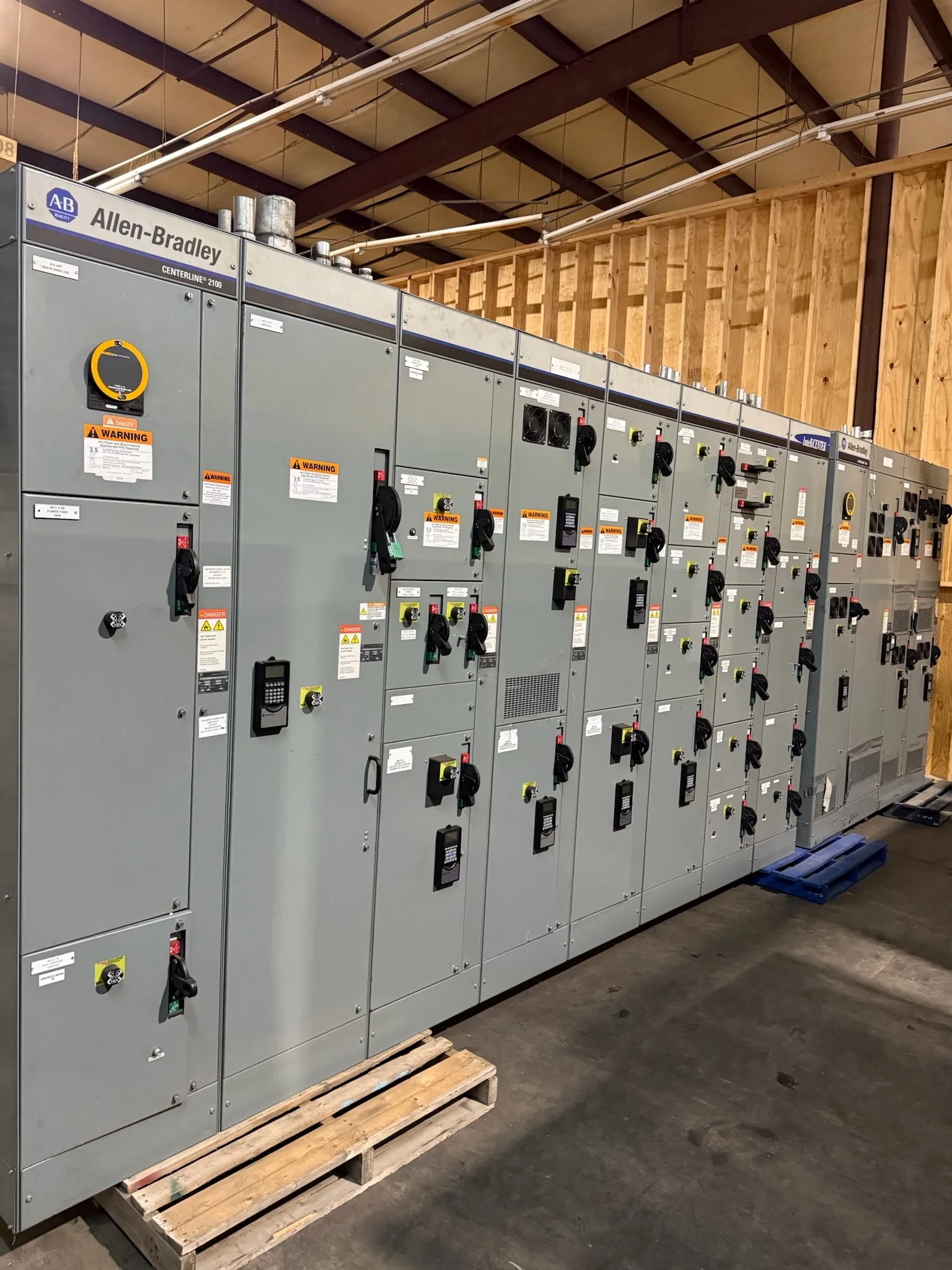
For low-voltage distribution, distinguish a UL 891 switchboard application from UL 1558 low-voltage switchgear; they are different equipment categories, not interchangeable labels. The engineer should establish the required construction and applicable standards from system characteristics, project specifications, and the intended installation.
Medium-voltage switching is a separate equipment scope and is not covered by UL 891. If the alternate source or plant service involves medium voltage, confirm the voltage class, protection scheme, and interface to downstream low-voltage equipment. The responsible engineer, utility, and authority having jurisdiction should review applicable requirements and approvals.
Prepare project information for a useful quotation
A quotation package should include the current one-line diagram, load list, source data, system voltage, available fault-current information, and preferred transfer sequence. Provide feeder quantities and sizes, control interfaces, required metering, enclosure location, and project specifications. Identify known constraints and open design questions rather than relying on assumptions.
Also share schedule milestones, delivery location, drawing-submittal expectations, and any required coordination with a generator supplier or controls contractor. A U.S. manufacturer can review custom fabrication options and nationwide shipping needs, but final ratings and features depend on approved project documents. Request clarification where utility data or field conditions remain unverified.
Coordinate review, installation, and operating procedures
Before construction, reconcile equipment drawings with the facility one-line, feeder routes, protective-device settings, and control logic. The engineer of record should confirm design adequacy; the utility should review service interactions where relevant; and the AHJ should determine applicable code and inspection requirements. Field conditions must be checked before installation.
Commissioning plans should define how normal and alternate sources, transfer logic, alarms, and load restoration will be verified without disrupting treatment unnecessarily. Establish who authorizes tests and how operating staff are informed. Update procedures and drawings after approved changes so emergency switching remains understandable to operators and maintainers.