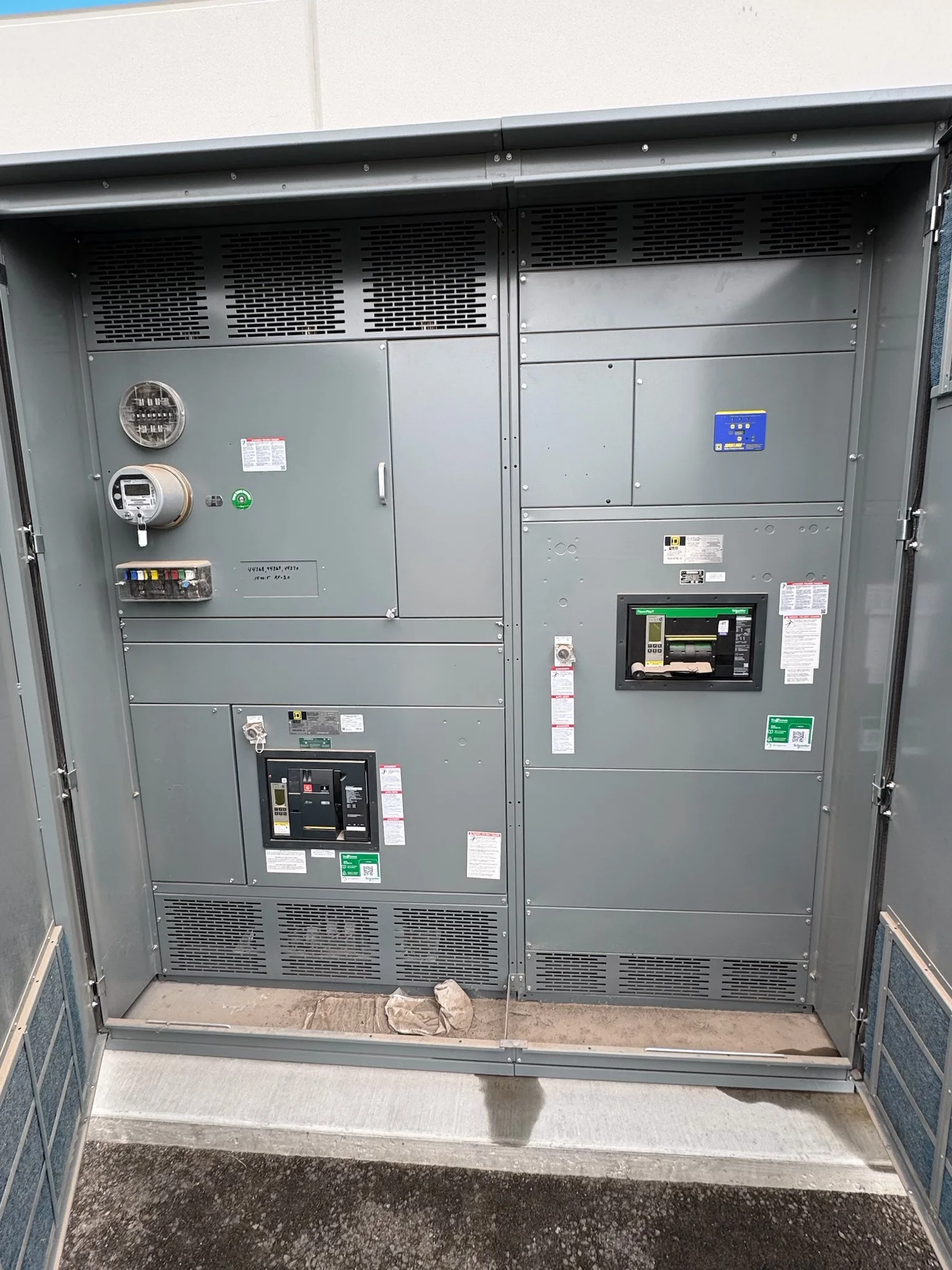
Define What a Spare Unit Must Do
A spare starter unit is useful only when it can serve the intended motor and fit the motor control center lineup. Start by identifying whether the unit is for a like-for-like replacement, a planned process expansion, or recovery from a specific maintenance scenario. Those purposes can lead to different electrical and mechanical requirements.
For a replacement spare, document the existing starter type, motor horsepower and full-load current, system voltage, control voltage, and required starting method. For future capacity, confirm the expected motor and process duty with the responsible engineer. Do not assume a spare will suit every future motor simply because it fits the lineup.
Match the New Unit to the Lineup
Mechanical compatibility depends on the motor control center design and the particular vertical section: unit dimensions, mounting arrangement, bus interface, door and operating mechanism, and connection details all matter. A unit made for another lineup may not be interchangeable, even if its starter components appear similar or have matching nominal ratings.
Provide the manufacturer, model or lineup designation, section and unit identification, and available drawings or nameplate photographs when requesting a new spare. If the lineup is being designed now, specify spare-unit locations and intended unit sizes during engineering. The equipment builder can review the information and identify what needs confirmation before fabrication.
Specify Starter Type and Protection
Select the starter arrangement for the motor and driven load, such as across-the-line, reduced-voltage, or another engineered method. The choice affects the unit configuration, components, wiring, and available space. Confirm the motor’s starting requirements, load characteristics, starts per hour, and any process limits with the project engineer.
Protection and control details also need deliberate review. Identify the required overload protection approach, short-circuit protective device, control circuit voltage, control scheme, and interface to plant systems. Available fault current, coordination objectives, and applicable codes influence design decisions. The manufacturer should receive project requirements rather than assumptions about a standard unit.
Plan for Future Process Changes
A spare intended for expansion should be based on a credible future motor schedule, not merely an open bucket space. Record anticipated loads, operating duty, control functions, and the section locations under consideration. Check lineup capacity, bus ratings, heat dissipation, and available distribution provisions as part of the overall design review.
If future loads are not yet defined, discuss whether a physical space, a configured starter unit, or a separately specified future unit best fits the project. These are not equivalent provisions. Have the responsible electrical engineer assess system loading, protective-device coordination, and available fault current, with utility or AHJ input where applicable.
Store Units to Preserve Readiness
A new spare starter unit should be stored in a clean, dry, secure location protected from dust, moisture, corrosive contaminants, impact, and temperature extremes. Keep it in its original protective packaging when practical, and follow the manufacturer’s handling and storage instructions. Avoid placing materials on the unit or exposing it to construction debris.
Assign an inventory identifier and retain its drawings, configuration records, and inspection instructions with the maintenance documentation. Before installation, qualified personnel should check for shipping damage, contamination, corrosion, and signs of moisture. Storage duration and site conditions can affect the inspection steps needed before energization; follow the applicable equipment instructions.
Build Maintenance into the Plan
A spare does not replace preventive maintenance for the operating motor control center. Establish inspection and service intervals using the equipment instructions, site conditions, operating history, and facility maintenance program. Record unit identifiers, motor assignments, control changes, and any component replacements so a future spare can be matched to the current design.
Before a spare is installed, a qualified electrician should verify the unit’s identity and configuration against approved documents, inspect it, and follow required isolation and work practices. Confirm protection settings and control logic before returning equipment to service. Maintenance planning should include safe work procedures and any site-specific commissioning checks.
Prepare Complete Information for a Quote
A useful quote request includes project location in Lima, Ohio, desired quantity, required delivery timing, and whether the spare is part of a new lineup or intended for an existing one. Include motor data, starter type, system voltage, control voltage, unit size or compartment information, and relevant drawings or schedules.
Also identify the applicable project specifications, enclosure requirements, control interfaces, protective-device expectations, and any requested documentation. For existing equipment, provide legible nameplate details and lineup records rather than relying on appearance alone. Missing or conflicting information should be resolved before the manufacturer finalizes a configuration or lead-time estimate.
Coordinate the New MCC Project
For a new motor control center, decide early how many spare units the facility needs and whether they should be fully configured. That decision can affect lineup arrangement, space allocation, wiring plans, documentation, and procurement. Review the proposed equipment against project drawings and operating needs before release for fabrication.
The manufacturer builds new equipment in the United States using American components, offers custom fabrication, and ships nationwide, including to Lima-area projects. Project-specific features, compliance requirements, and delivery expectations must be confirmed for the order. Have the responsible engineer review the design and coordinate with the utility and AHJ where required.