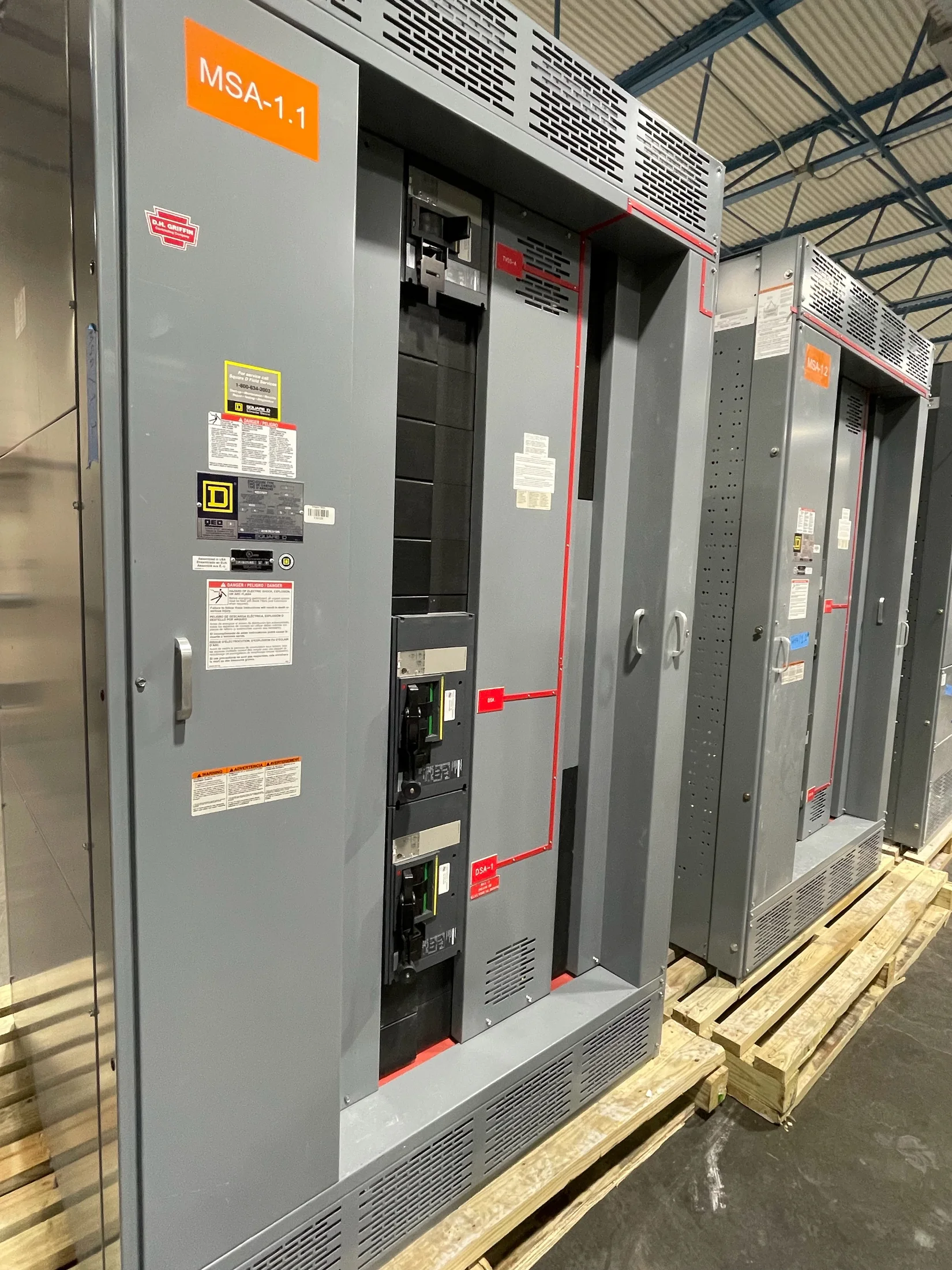
Start with the Actual Exposure
An enclosure classification should follow the conditions at its installation point, not simply the building’s general description. In Lima, a control panel may sit inside a dry production area, near washdown, in a dusty process space, or outdoors exposed to precipitation and seasonal temperature changes. Identify the specific location and nearby processes.
Record whether water arrives as occasional drips, condensation, directed spray, or routine hose cleaning. Note dust, fibers, oil mist, chemical vapors, and airborne debris, including how often they occur. These observations help distinguish an environmental protection need from a hazardous-location requirement, which follows different criteria.
Match NEMA Type to Conditions
NEMA enclosure types describe protection against specified environmental conditions, such as access to hazardous parts, falling dirt, water, or corrosion. The type number alone does not mean an enclosure is suitable for every exposure. Compare the applicable type definition with the actual installation and operating conditions, including whether the enclosure is indoors or outdoors.
Do not select a rating solely because a neighboring cabinet carries it. Door construction, seams, ventilation openings, operator devices, and field-installed fittings can affect the completed assembly. Confirm the intended configuration and installation details with the responsible engineer, and check that accessories and penetrations do not undermine the required protection.
Account for Rain, Washdown, and Condensation
Outdoor Lima installations require attention to rain, wind-driven moisture, sunlight, and temperature cycling. Indoor equipment can face equally demanding exposure when production lines are washed down or steam and condensation are present. Clarify spray direction, cleaning pressure and frequency, water temperature, detergents, and whether operators direct a hose at doors or cable entries.
Moisture protection must be considered alongside heat removal. A sealed enclosure can limit water entry but may retain heat from drives, transformers, or other components. Provide load losses, ambient temperature range, duty cycle, and proposed mounting arrangement so the design can address thermal needs without assuming an opening or cooling method is acceptable.
Evaluate Dust and Corrosion Sources
Dust from material handling, grain, powders, or machining can accumulate on seals and interfere with cooling or operation. Describe particle size and whether dust is merely present, settles heavily, or becomes airborne during normal work. If dust may be combustible, treat that as a hazardous-material question requiring qualified classification, not just a request for a dust-resistant cabinet.
Corrosion exposure may come from wash chemicals, process fumes, salt-bearing materials, or persistent humidity. Identify substances by name when known, along with concentration, temperature, and likely contact duration. Discuss enclosure material and finish as project-specific choices; no single material or coating should be presumed suitable without reviewing the environment and maintenance practices.
Treat Hazardous Locations Separately
If flammable gases, vapors, combustible dust, or ignitable fibers may be present, obtain the area classification from the project’s qualified electrical design team. The relevant Class, Division or Zone, material group, and temperature code must be established from the process and applicable requirements. Ordinary environmental enclosure types do not by themselves authorize hazardous-area use.
Confirm the exact location and equipment function before requesting a hazardous-location configuration. Required markings, protection method, temperature limits, wiring practices, and component suitability depend on the classification and governing rules. The responsible engineer, facility safety personnel, and authority having jurisdiction should resolve uncertain classifications before equipment is specified.
Configure the Complete Assembly
A useful enclosure specification describes more than the cabinet shell. List the switchgear or control equipment, operating devices, meters, displays, heaters, ventilation needs, cable entry direction, and access clearances. Identify whether equipment is wall-mounted, floor-standing, or integrated into a larger distribution assembly, and indicate any limits on footprint or service access.
Every cutout, gland plate, conduit hub, window, or field modification can affect environmental protection and may constrain internal layout. Provide cable sizes and entry locations, door-swing requirements, mounting details, and preferred service access. Custom fabrication can accommodate project layouts, subject to engineering review of component fit, heat, wiring, and applicable construction requirements.
Gather Information for a Quote
For a useful quotation, provide the project location, quantity, one-line diagram or equipment schedule, voltage and current requirements, fault-duty information, and the intended enclosure classification. Include available drawings, dimensions, mounting orientation, cable-entry plan, ambient conditions, cleaning procedures, and any written hazardous-area documentation relevant to the installation.
Also identify the applicable specifications, inspection expectations, requested delivery window, and whether the assembly must interface with existing equipment. Flag details that remain undecided instead of treating assumptions as requirements. The manufacturer can review the information, identify open questions, and determine whether a proposed configuration can be built as specified.
Review Before Release and Installation
Before approving drawings, check the enclosure type, material, dimensions, internal heat assumptions, access, and all openings against the project documents. Verify that equipment ratings and protective-device selections suit the electrical system. UL 891 applies to low-voltage switchboards; it is not a medium-voltage or high-voltage enclosure standard, and switchgear classifications require their own review.
Final suitability depends on the completed equipment and its installation, not the quote description alone. Have the responsible engineer verify the design, coordinate utility requirements where applicable, and consult the AHJ on code or inspection questions. U.S.-built equipment with American components, custom fabrication, short lead times, and nationwide shipping can support Lima projects, with timing confirmed for each order.