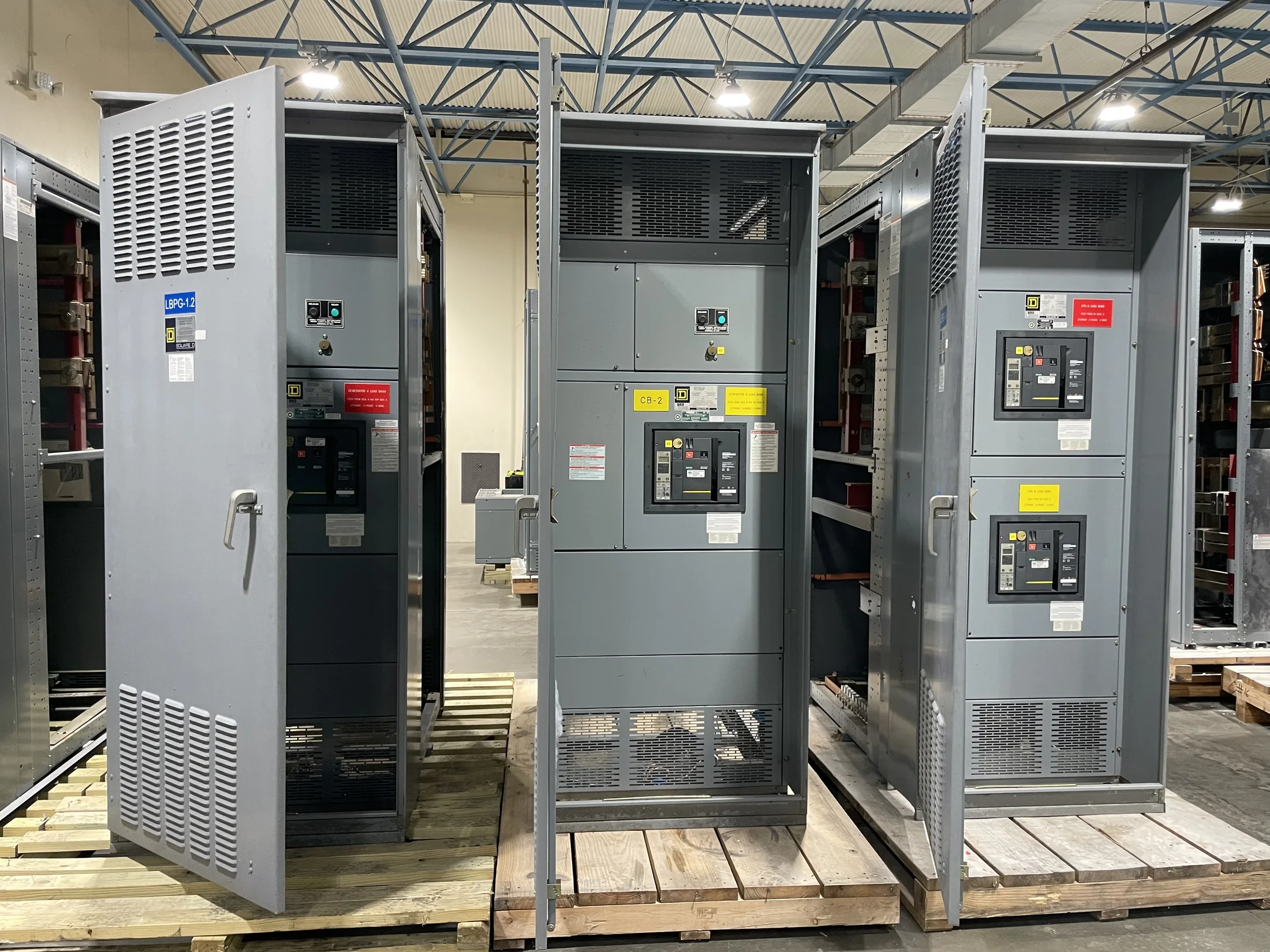
Start with the Existing Installation
Before selecting a replacement panelboard, establish what the existing installation serves and how it is supplied. Record the building area, panel location, source equipment, nominal voltage, phase, wire configuration, and any available short-circuit information. Nameplate photos and current drawings help reveal discrepancies that a site walk can resolve.
In Kettering, renovation conditions may vary from one facility to another, including access constraints, operating schedules, and the age of records. Treat these as project-specific findings, not assumptions. The responsible electrical engineer should verify system data and coordinate with the utility or authority having jurisdiction when required.
Build a Circuit Schedule You Can Trust
A directory that says “lights” or “receptacles” may not identify the served rooms, equipment, or actual load. Trace circuits using safe, approved procedures, then document breaker position, pole count, destination, voltage, and connected equipment. Mark uncertain circuits clearly rather than turning a guess into a permanent label.
Coordinate tracing with facility staff so essential loads, controls, and equipment are not interrupted unexpectedly. Check for shared neutrals, multiwire branch circuits, dedicated loads, and circuits that appear to serve more than one area. A verified schedule gives the manufacturer a usable basis for circuit count, arrangement, and labeling.
Measure the Space Before Choosing a Layout
Replacement dimensions involve more than the existing cabinet width and height. Measure available wall area, enclosure depth, mounting conditions, working space, and the path from delivery point to installation location. Note nearby piping, doors, structural members, and equipment that could obstruct access, conduit entry, or cover removal.
Capture the existing enclosure dimensions and a clear view of its interior, but do not assume the new panelboard can use the same footprint. Feeder entry locations, conductor bend space, breaker arrangement, and code-required working clearances affect fit. Confirm field measurements against approved drawings before fabrication.
Match Protection to Existing Branch Circuits
Document each branch circuit’s conductor material and size, insulation condition where visible, connected load, and existing overcurrent-device rating. Confirm breaker poles and any special device requirements with the circuit design. A replacement should not simply repeat an old rating if the conductors, load, or applicable requirements do not support it.
Determine whether ground-fault, arc-fault, or other protective functions apply to particular circuits under the project’s adopted code and use. Existing wiring condition and equipment compatibility matter when selecting devices. The responsible engineer should evaluate protection, coordination, and any changes to circuits rather than assuming every legacy branch circuit is suitable as found.
Select a Configuration for the Actual System
Panelboard configuration depends on verified voltage, phase, wire arrangement, feeder capacity, circuit count, and the required balance of spare positions. Also identify main-breaker or main-lug requirements, incoming conductor arrangement, neutral and ground provisions, and any metering or control needs. These details should come from project documents and field verification.
Do not treat a panelboard renovation as a switchboard or low-voltage switchgear substitution. Equipment type and applicable standards depend on system design and application; UL 891 applies to switchboards, while UL 1558 addresses low-voltage switchgear. Neither designation should be assigned to a panelboard without confirming the equipment category and applicable requirements.
Plan the Changeover and Keep Loads Accounted For
A panel replacement can affect production, building services, security, and life-safety loads. Identify circuits that require planned outages, temporary arrangements, or sequencing with other trades. The facility team and contractor should agree on shutdown windows, access, notifications, and responsibilities before the replacement equipment arrives.
Prepare a circuit-by-circuit transition plan that ties the verified directory to the new layout. Account for conductors requiring extension or replacement, conduit changes, and any wiring defects discovered during removal. Work practices, testing, and re-energization steps belong to the project team’s safety and commissioning plan, not an assumed equipment feature.
Assemble the Information for a Useful Quote
For a quote, provide the existing panelboard nameplate, measured enclosure and wall-space dimensions, feeder details, circuit schedule, breaker ratings and poles, and photographs of the interior and surrounding area. Include drawings, available fault-current data, required protective devices, requested labeling, and any known access or outage constraints.
Identify what is confirmed and what still needs engineering review. Note desired spare circuit positions or future loads, but distinguish planning allowance from a specified requirement. The manufacturer can use complete, current information to evaluate a custom-fabricated new panelboard configuration; unresolved field conditions should be listed for confirmation before release.
Coordinate Review, Fabrication, and Delivery
Before approval, have the responsible engineer check ratings, protection, conductor compatibility, clearances, and drawings against the installation and applicable codes. Coordinate with the utility and Kettering-area AHJ where their review or requirements apply. Confirm enclosure details and connection points with the installing contractor before the equipment is built.
A U.S. manufacturer supplying new distribution equipment can support custom fabrication, short lead times, and nationwide shipping, subject to the project’s confirmed scope and schedule. These are planning considerations, not guaranteed delivery dates or a substitute for field checks. Align shipment timing with site readiness, unloading capability, and the planned outage.