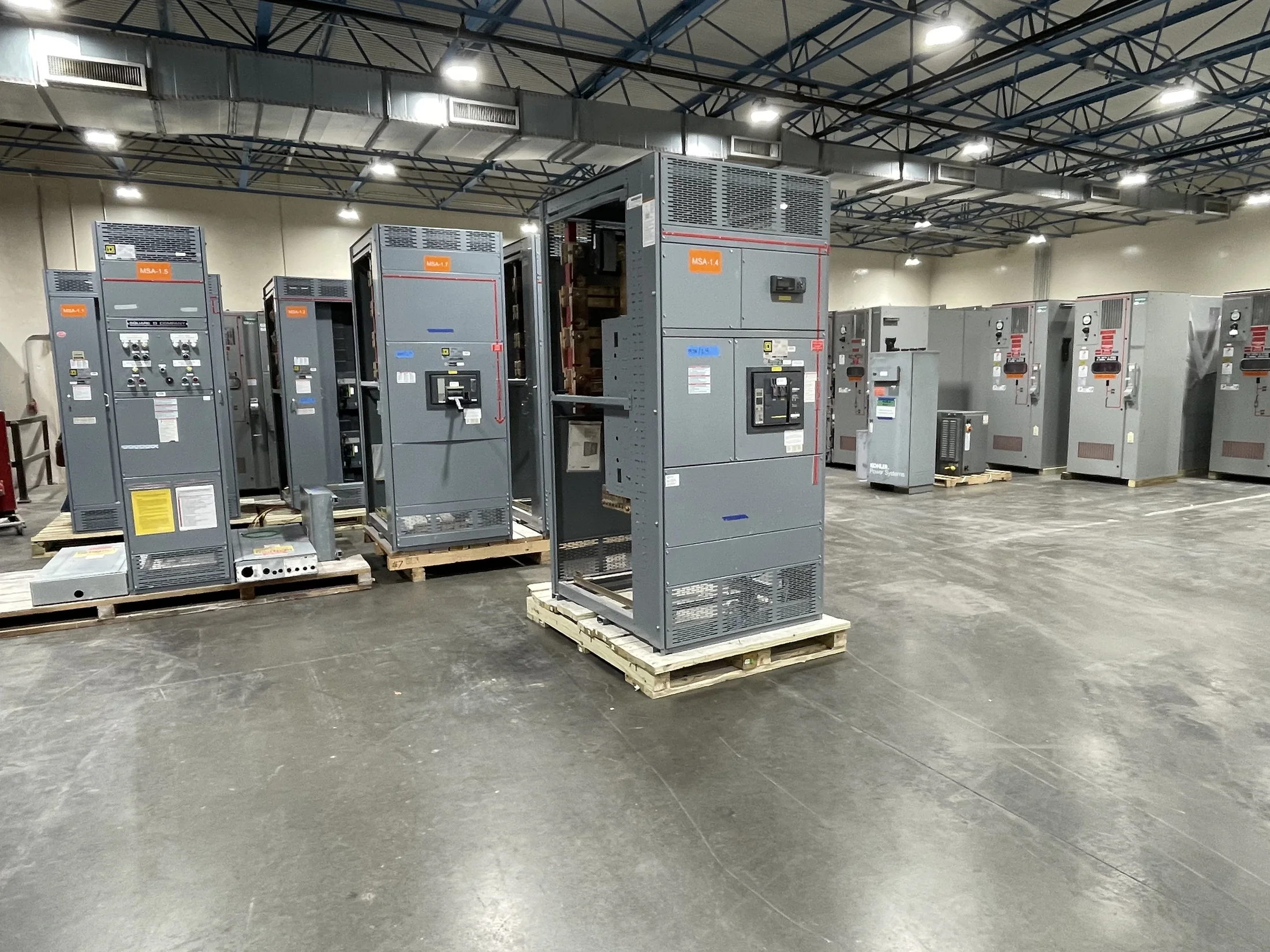
Start with the service and site conditions
A Columbus switchgear inquiry should identify the project address, service voltage, available fault current, utility source and the equipment’s location in the distribution system. Confirm whether the installation is new construction, a service upgrade, a replacement or an expansion; each can impose different constraints on utility coordination, shutdown planning and physical fit. The utility’s service requirements and the responsible engineer’s one-line diagram are important starting documents, not assumptions to fill in later.
Record indoor or outdoor exposure, ambient conditions, altitude where relevant, room dimensions, access routes and any environmental concerns such as dust or moisture. In an existing facility, photographs and field measurements can help identify obstructions, working clearances, conduit entry points and removal paths. Verify code requirements and site-specific conditions with the responsible engineer and the authority having jurisdiction (AHJ).
Distinguish the equipment class before specifying it
The term switchgear is often used broadly, but equipment classes are not interchangeable. A UL 891 switchboard is a low-voltage assembly with its own construction and application considerations. UL 1558 applies to low-voltage switchgear. Medium-voltage equipment is a separate category with different voltage classes, insulation, switching devices and protection requirements; UL 891 does not cover medium- or high-voltage equipment. Identify the intended class and applicable specification before requesting pricing.
The right choice depends on system voltage, available fault current, continuity needs, operating practices, maintainability and project specifications. Ask the engineer to define the required assembly type, protective-device approach and coordination criteria. If the service includes a medium-voltage primary and low-voltage distribution, document the boundary between those systems and specify each assembly appropriately rather than treating the whole lineup as one generic switchgear package.
Build an accurate load and feeder schedule
A useful quote package includes connected and calculated loads, feeder quantities, conductor information where established, and the function of each outgoing circuit. Identify major motors, HVAC systems, process equipment, elevators, emergency loads, electric vehicle charging or planned additions. Note which loads are continuous, cyclical or expected to operate together. For Columbus facilities with phased construction or changing occupancy, distinguish immediate requirements from future provisions so the manufacturer can price the requested scope rather than an undefined allowance.
Confirm main-device and feeder-device requirements against the engineer’s design, including trip functions, sensor or rating selections, accessory needs and coordination objectives. Provide the available fault-current information and the source of that value. Do not infer interrupting or withstand requirements from nominal voltage alone. The responsible engineer should review protective-device selections and system studies; the equipment supplier can use the approved criteria to develop a buildable configuration.
Coordinate utility, metering and service details
Utility coordination can affect service arrangement, metering provisions, equipment location and the sequence for energization. For a Columbus-area project, obtain the serving utility’s current service requirements directly and confirm who is responsible for utility-furnished components, revenue metering, service conductors and associated interfaces. Requirements can vary with service type and project circumstances, so a previous project’s arrangement is not a reliable substitute for current approval.
Include utility correspondence, service drawings and metering requirements in the procurement package when available. Clarify whether the switchgear supplier is expected to provide compartments, provisions or wiring associated with metering, and identify any utility review milestones. The engineer, utility and AHJ should resolve applicable service and installation requirements before the design is released for fabrication; late changes can affect layout, documentation and schedule.
Check lineup layout and building interfaces
A one-line diagram describes electrical relationships, but a quotation also needs a physical arrangement. Share room plans, elevation views, lineup orientation, wall and column locations, ceiling height, cable-trench details, and top or bottom entry preferences. Confirm front, rear and side access needs, working clearances, door swing and the path for moving equipment into the electrical room. Existing buildings may require sectionalized shipping or a particular sequence of placement, subject to the final design and transport constraints.
Discuss how the assembly connects to transformers, bus duct, cable systems and downstream panels. Identify whether neutral arrangements, grounding provisions, control wiring or tie sections are required by the design. The manufacturer can review proposed dimensions and interfaces, but field verification remains important when replacing equipment or working from legacy drawings. Resolve conduit locations and connection details early enough for the electrical contractor to coordinate site work.
Specify controls, metering and future provisions
List the monitoring and control functions the facility actually needs: local indication, remote status, communications, metering points, alarms or integration with a building or industrial control system. Provide the preferred protocol and identify who supplies network hardware, programming and field connections. Avoid vague notes such as “communications ready” without defining the required data, interfaces and responsibility boundaries. These details help prevent gaps between switchgear scope and controls commissioning.
Future capacity should also be described precisely. A requirement might involve reserved physical space, spare feeder positions, provisions for later devices or a defined expansion interface; these are different commitments. Confirm which items are included in the requested build and which are options. Any spare capacity, device compatibility or expansion plan should be checked against the equipment design and project specifications rather than presumed from an available enclosure space.
Make procurement and schedule assumptions explicit
For a complete quote request, provide the latest drawings and specifications, load and feeder schedules, utility criteria, required equipment class, fault-current data, physical constraints, accessories, documentation needs and requested delivery location. Identify the project stage and note outstanding design decisions. A U.S. manufacturer that builds and supplies switchgear and power distribution equipment can discuss domestic components, custom fabrication and nationwide shipping for project planning; actual scope, sourcing and schedule depend on the specified build and current requirements.
Ask the supplier to identify assumptions, exclusions, submittal expectations and information needed before fabrication. Short lead times may be a procurement objective, not a guaranteed duration; timing depends on configuration, component availability, approvals and project readiness. Agree on delivery conditions, unloading responsibilities, packaging and shipment sequencing with the contractor. Reconcile quoted scope with the engineer’s documents before purchase so that price comparisons reflect equivalent equipment and responsibilities.
Plan review, installation and closeout
Before release, route equipment drawings and technical submittals to the responsible engineer for review and coordinate utility or AHJ review where applicable. Review device arrangement, ratings, dimensions, connection points, controls and the approved one-line diagram together. A drawing approval is not a substitute for checking the complete design against site conditions, applicable codes, utility requirements and the project’s protection and coordination studies.
Installation planning should cover receiving inspection, storage, access, placement, anchoring, terminations, labeling and required field connections. Define who performs inspection, testing and commissioning, and what records must be delivered at closeout. Requirements depend on the project and equipment; confirm any specified field tests, operating procedures and documentation in the contract. For an occupied Columbus facility, coordinate shutdown windows and temporary service with facility operations well before delivery.