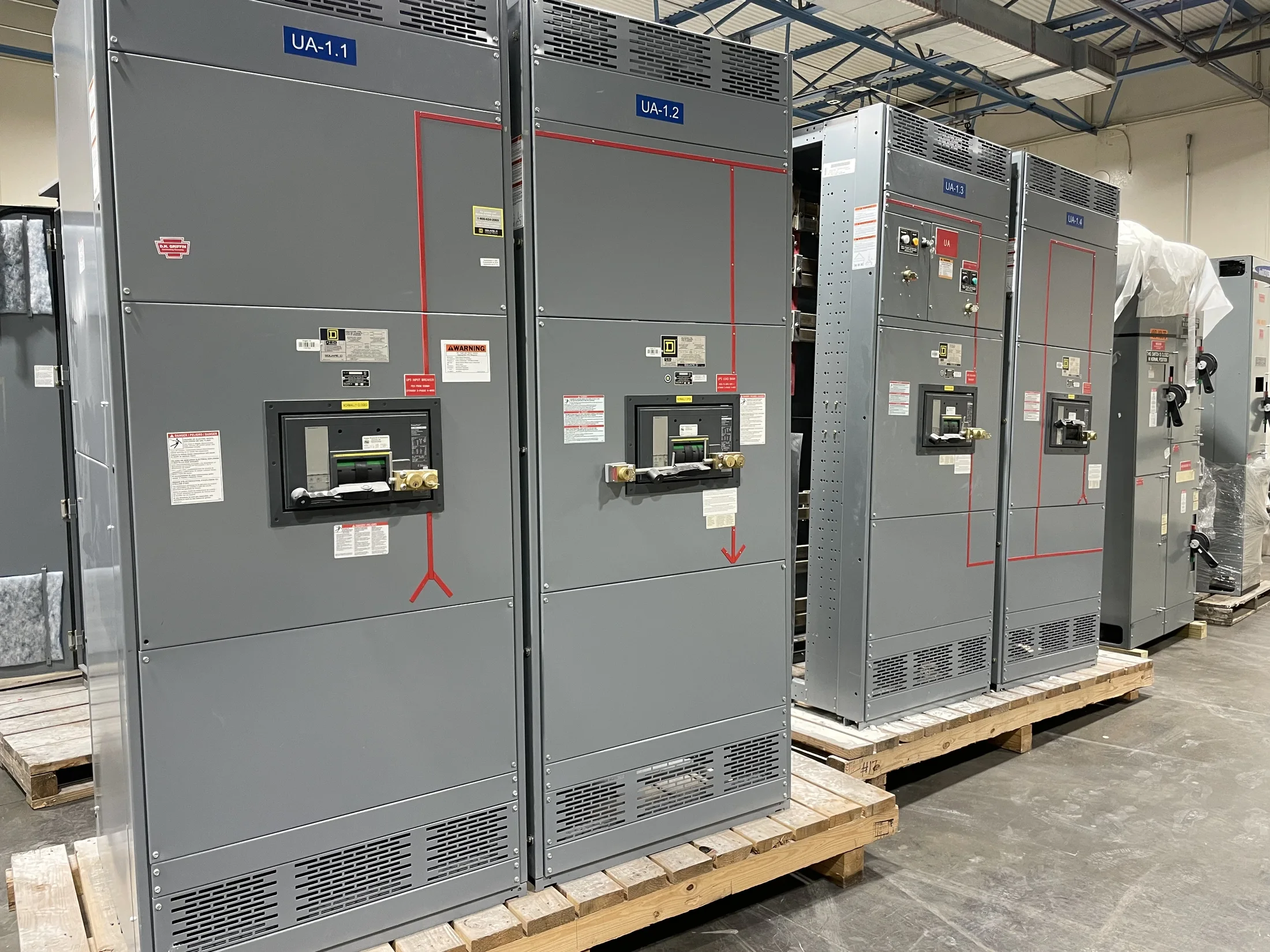
Map the Exposure at the Actual Installation Site
Cleveland projects can face rain, snow, freeze-thaw cycling, road salt, and airborne contaminants, but exposure varies substantially by location. A cabinet near a salted roadway, loading area, cooling tower, or lakefront may need a different corrosion strategy from equipment sheltered within an industrial campus.
Document whether the installation is fully exposed, under a canopy, or subject to washdown, standing water, or salt spray. Note prevailing wind, nearby chemical processes, irrigation, and splash zones. These observations help the responsible engineer define the environment and avoid treating the city name as a complete enclosure specification.
Choose Enclosure Material for the Site and Service
Carbon steel can be a practical enclosure material when its surface preparation and protective finish suit the exposure and maintenance plan. Stainless steel or aluminum may be worth evaluating for particular corrosive settings, but neither is an automatic answer; alloy, fabrication details, strength, cost, and compatibility with adjoining components matter.
Specify material by enclosure location and function, including doors, roofs, bases, hardware, and internal barriers where relevant. Dissimilar metals in contact can create galvanic corrosion under wet conditions. Ask the equipment manufacturer to review material transitions, fasteners, and cut edges as a system rather than choosing a metal solely by its name.
Specify Coatings as a Complete Finish System
A coating is only as dependable as the preparation and application behind it. Confirm the intended surface preparation, primer and topcoat system, coverage of welds and edges, and treatment of drilled or machined areas. Field modifications can expose bare substrate, so installation instructions should address touch-up and repair materials.
Describe expected exposure and cleaning practices when requesting a finish recommendation. Coating thickness, color, gloss, and qualification requirements should be stated where the project documents call for them. Do not assume a standard paint system is appropriate for road salt, chemical fumes, persistent moisture, or abrasive cleaning without reviewing those conditions.
Prevent Water Retention and Protect Openings
Water management is part of corrosion control. Roof geometry, drip edges, door seals, mounting orientation, and a suitable base can influence whether moisture collects at seams or runs toward openings. Confirm the required enclosure rating and installation details for the specified location; an enclosure rating does not by itself establish corrosion resistance.
Cable entries, conduit hubs, ventilation openings, and field-installed accessories deserve particular attention because they interrupt the enclosure surface. Locate entries to avoid direct runoff and standing water where the equipment layout permits. Confirm sealing methods and any drainage provisions with the manufacturer and responsible engineer, while preserving required cooling and access.
Coordinate Outdoor Configuration with Electrical Requirements
Corrosion-conscious construction must still accommodate the electrical duty and installation. Identify whether the project requires a UL 891 switchboard, UL 1558 low-voltage switchgear, or medium-voltage equipment; these are distinct equipment categories, and UL 891 does not cover medium- or high-voltage equipment.
Provide system voltage, phase, frequency, available fault current, main and feeder arrangement, metering needs, and applicable service conditions. Confirm ampacity, temperature limits, short-circuit requirements, clearances, and utility interface with the responsible engineer. Outdoor enclosure changes can affect layout, heat dissipation, access, and component selection, so those constraints belong in early review.
Plan Access, Installation, and Long-Term Inspection
Maintenance access influences enclosure layout and finish life. Consider door swing, working space, snow clearance, equipment lifting, and whether personnel can inspect surfaces without disturbing energized parts. The owner should identify cleaning methods and inspection intervals appropriate to the exposure, with qualified personnel following site safety procedures.
Avoid specifying coatings or materials that conflict with routine cleaning agents or repair practices. Ask how scratches, damaged seams, and replacement hardware should be addressed after installation. The project team should also decide who maintains exterior surfaces and records observed deterioration; these responsibilities are operational details, not assumptions about the equipment.
Assemble the Information for a Buildable Quote
A useful quote request includes a one-line diagram, equipment category, electrical ratings, enclosure location, available footprint, cable-entry direction, and required accessories. Add site photographs or a written exposure description, including salt, chemicals, washdown, shelter, and expected maintenance conditions. Identify required documents, finish preferences, and project schedule without treating estimates as guarantees.
State the governing project specifications and any required standards, inspections, or submittals for the specific build. Note utility requirements and the authority having jurisdiction where applicable. The manufacturer can then assess custom fabrication, material and coating options, and layout implications against the provided design basis before preparing a proposal for new equipment.
Review the Design Before Releasing Equipment
Before release, compare the proposed enclosure construction with the site conditions and confirm that coating, material, seals, hardware, and mounting details match the project documents. Check door access, conduit locations, ventilation, and maintenance clearances against architectural and electrical plans. Resolve conflicts before fabrication rather than relying on field changes.
The responsible engineer should verify electrical design, ratings, and coordination; the utility should confirm service-interface requirements, and the AHJ should be consulted where applicable. A U.S. manufacturer building with American components can provide custom-fabricated new equipment and ship nationwide, with lead time confirmed for the particular scope.