Start With the Pumping Duty
Agricultural pumping can serve irrigation, drainage, livestock water, washdown, or process needs, and each duty shapes the control design. Before selecting equipment, document what each pump moves, its operating schedule, expected flow or pressure requirements, and whether it runs continuously, intermittently, or in response to a level or pressure condition.
For a Bowling Green facility, identify the pump locations, environmental exposure, and relationship between the electrical room and field equipment. Long motor or control-cable runs, wet or corrosive areas, seasonal shutdowns, and limited access can affect enclosure selection, wiring methods, maintenance access, and the practical placement of disconnecting and control equipment.
Choose a Starting Method for the Motor
Motor nameplate voltage, full-load current, horsepower, starting characteristics, and driven-load requirements inform the choice of across-the-line, reduced-voltage, or variable-frequency starting. Across-the-line starting is straightforward, but its inrush current and mechanical effects should be checked against the supply and pump system before it is specified.
Reduced-voltage starters or adjustable-speed drives may suit particular electrical or process constraints, but they are not automatic upgrades. Confirm whether flow control is actually needed, how the pump responds at reduced speed, and whether the utility or facility distribution system limits starting current. The responsible engineer should verify coordination with the available service.
Coordinate Protection With the Motor
Motor protection should be selected from the motor data, starting method, application, and applicable code requirements. Overload protection addresses sustained overcurrent conditions; short-circuit and ground-fault protection require separate coordination decisions. Confirm the intended protective devices, settings, and coordination with upstream equipment rather than assuming a standard combination fits every pump.
Pump-related conditions may call for additional monitoring, such as loss of phase, abnormal voltage, dry-run indication, or winding temperature inputs, where compatible with the motor and operating plan. Identify which conditions should stop a pump, raise an alarm, or permit continued operation. Final protection and control settings belong to the responsible engineer.
Map the Control Sequence and Wiring
A clear sequence of operation helps translate field needs into control wiring. Specify whether pumps start by hand, automatically, or in both modes; what level, pressure, or process signal initiates operation; and how operators acknowledge alarms and return equipment to service after a trip.
For multiple pumps, define lead-lag selection, alternation, standby response, and whether simultaneous operation is permitted. Identify hardwired interlocks, PLC or supervisory-system interfaces, and required status points. Provide instrument types, signal ranges, cable destinations, and preferred terminal identification so the control design can be reviewed against field wiring plans.
Select an Appropriate Equipment Arrangement
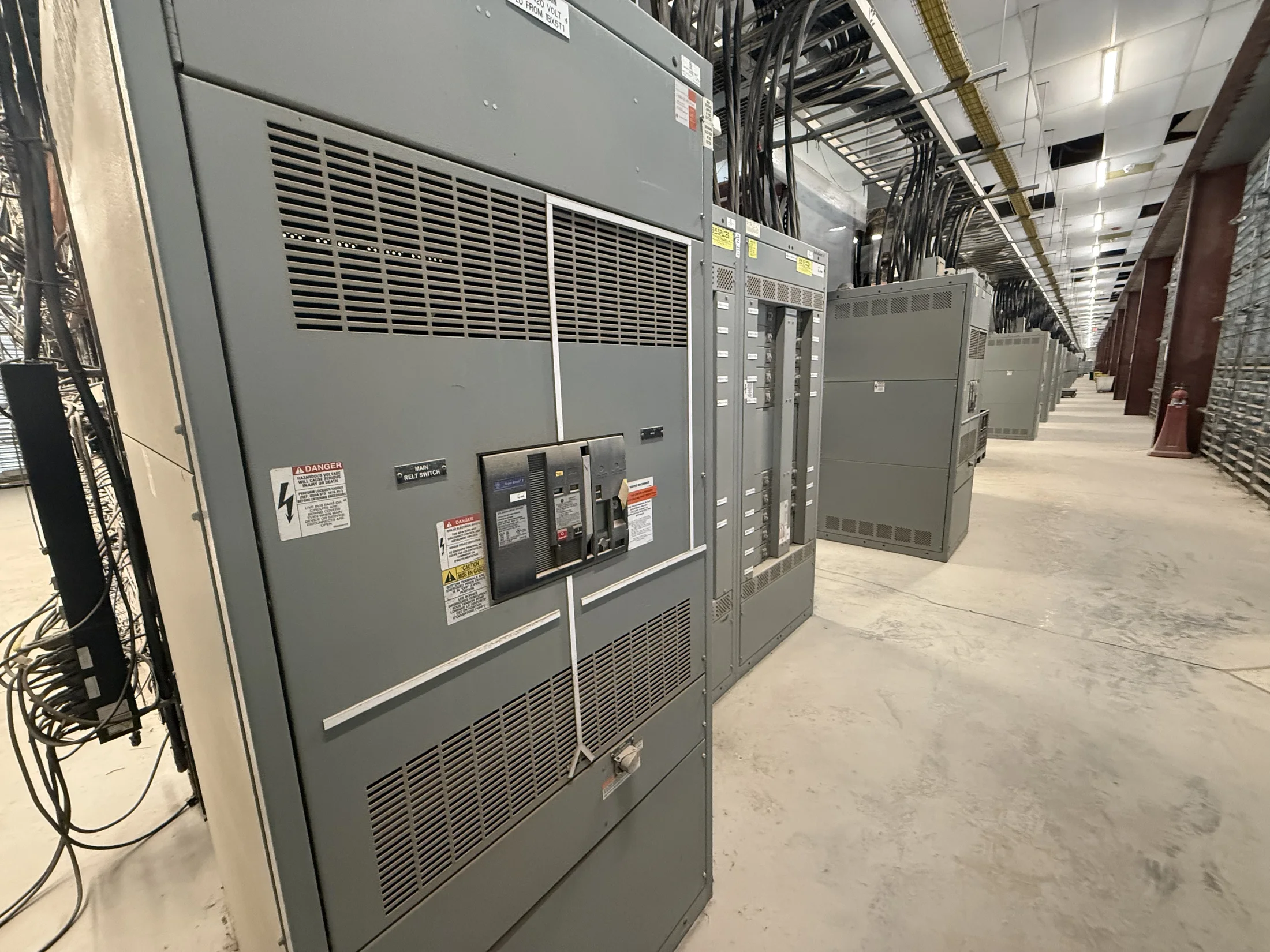
The equipment arrangement depends on the service voltage, feeder configuration, motor count, available fault current, installation location, and maintenance approach. A project may call for a switchboard, motor-control equipment, or a combination of distribution and control assemblies. Confirm the intended function and applicable product standard; UL 891 applies to switchboards, not medium-voltage equipment.
Where low-voltage switchgear is under consideration, distinguish it from a UL 891 switchboard and establish the project’s required construction and documentation. Medium-voltage pumping applications require equipment suited to the specified voltage class and separate engineering review. Do not infer a product category, rating, or listing from a general description of “pump controls.”
Account for the Agricultural Site
Agricultural facilities can expose electrical equipment to moisture, dust, temperature swings, washdown, fertilizer-related corrosion, or vibration. Confirm the actual conditions at the proposed installation point, including whether the assembly is indoors or outdoors and how it will be protected. Enclosure type, materials, ventilation, and location should follow those conditions and the applicable installation requirements.
Also review access for operation and service, working clearances, cable entry direction, conduit routing, and separation of power and control wiring. If drives or electronic controls are proposed, evaluate heat dissipation and the installation environment. Site drawings, photographs, and equipment-room dimensions help identify fit and routing issues before fabrication.
Prepare Complete Information for a Quote
A useful quote package includes a one-line diagram, service voltage and phase, available fault-current information, feeder and motor schedules, and pump nameplate data. Include the number of pumps, starter preferences if established, operating sequence, protective-device requirements, and any specified standards or project documents that govern the assembly.
Add enclosure location and environmental details, approximate dimensions, incoming and outgoing cable arrangements, control-power expectations, and interfaces to instruments or plant systems. Note required drawings, labeling, accessories, and delivery destination. If a requirement remains undecided, identify it as an engineering question rather than treating an assumption as a guaranteed equipment feature.
Review, Fabrication, and Delivery
We manufacture and supply new electrical switchgear and power-distribution equipment in the United States using American components, with custom fabrication for project-specific requirements. Once the scope is defined, review the proposed arrangement, device schedule, control diagrams, and interfaces with the responsible engineer and installing contractor before equipment is released for fabrication.
Lead time depends on the approved scope, component availability, and project requirements; confirm the schedule for the specific order rather than relying on a generic duration. We ship equipment nationwide, including to Bowling Green. The facility team, utility, and authority having jurisdiction should review applicable service, installation, and approval requirements.