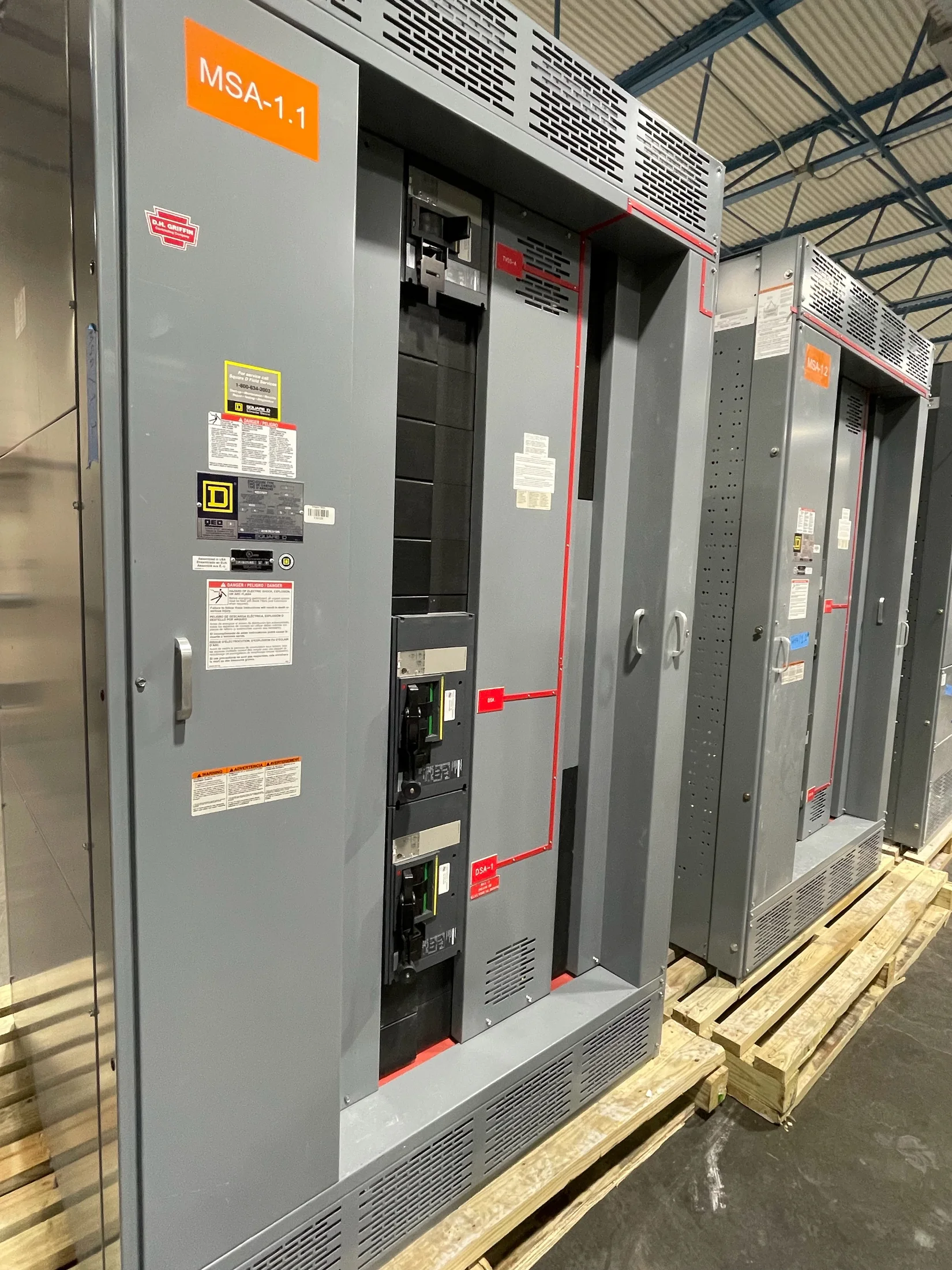
Set the witness test purpose before scheduling
A witness test lets purchaser representatives observe specified factory tests on newly manufactured equipment. It is not automatically a full repeat of design verification, nor does attendance alone establish compliance. First identify the decision the witness event must support: observing routine checks, confirming selected functions, reviewing records, or resolving a defined concern.
The purchaser and supplier should agree whether the event is a hold point, a notification point, or an optional observation. A hold point requires written release before work proceeds; a notification point gives the purchaser a chance to attend without stopping production if no representative arrives. Put the agreed consequence of absence in the purchase documents.
Define the exact equipment and test boundaries
Identify the lineup, sections, shipping splits, and included devices covered by the event. Record the approved drawing revision and relevant bill of materials, including breaker types, protective relays, metering, control power, and specified accessories. Configuration matters: an observed check on one section does not automatically represent every section or optional device.
Establish what lies inside the test boundary and what depends on site installation. Factory checks may address assembly, wiring, mechanical operation, and specified electrical tests, while utility interfaces, field interlocks, external cables, and installed grounding may require separate verification. Confirm any exclusions and required field checks with the responsible engineer and project team.
Choose tests against the equipment standard
Tie each witnessed activity to the equipment type, purchase specification, and applicable standard. A low-voltage switchboard built to UL 891 is distinct from low-voltage switchgear built to UL 1558; medium-voltage equipment has different standards and test considerations. Do not assume a test plan for one category applies to another.
Separate routine production tests from optional inspections or project-specific functional demonstrations. Identify the test procedure, sample or section coverage, instruments where relevant, and expected evidence for each requested item. Confirm with the manufacturer what is practical for the selected construction and what requires separate engineering review, rather than treating every requested test as included.
Write measurable acceptance criteria
Acceptance criteria should be objective and traceable to approved documents, applicable standards, and agreed procedures. Specify which drawing revision controls, which values or operating results are acceptable, and how discrepancies will be handled. Avoid vague wording such as “satisfactory operation” unless the parties define the expected sequence and observable result.
Distinguish a failed test from a documentation gap, a drawing deviation, or an item requiring engineering disposition. Agree who may approve a correction, whether affected tests are repeated, and what written closure is needed. Final acceptance remains subject to the contract and responsible parties; witness attendance should not silently waive unresolved exceptions or later field obligations.
Agree on attendance, notice, and logistics
Name the purchaser’s witness, supplier contact, and any invited engineer or inspector, then set the notice period and method for confirming attendance. Clarify whether remote observation is acceptable, what camera views or secure access are available, and how questions or objections are documented. The factory schedule should be coordinated with equipment readiness, not assumed from an order date.
Confirm visitor requirements, permissible photography, personal protective equipment, safety briefing, and access restrictions before travel. Establish the planned duration only after the test list is understood; complex configurations or demonstrations may require additional coordination. If shipping dates are affected by a hold point, state how release, rescheduling, and unresolved items affect the production and delivery plan.
Specify records and their delivery
Agree in advance on the record package: completed test sheets, results, applicable instrument information, identified deviations, and sign-off fields, as appropriate to the scope. State whether records are provided at the event or after review, and identify the required format and recipients. Do not presume that every internal manufacturing record is part of the witness package.
Use consistent equipment identifiers so records can be matched to lineup sections, nameplates, drawings, and shipping documents. If photographs, marked-up drawings, or a summary report are needed, list them before quotation. Define how corrections are issued and retained, including whether the purchaser needs a controlled revision or a formal deviation closure.
Plan for findings without disrupting decisions
A finding should be logged with the affected section or device, observed condition, applicable criterion, and disposition owner. Separate immediate stop-work concerns from items that can proceed under an agreed engineering review. The supplier should not substitute an undocumented field adjustment for a design change or purchaser-approved disposition.
For each open item, agree on response timing, required evidence, and who has authority to accept the proposed resolution. Retesting may be limited to the affected function or may need broader coverage, depending on the issue and engineering assessment. Keep the shipping release process explicit so unresolved findings are neither overlooked nor treated as closed by default.
Provide the information needed for a quote
To price and schedule witness support, provide the equipment type, quantity, approved or current drawings, specification, requested tests, proposed acceptance criteria, and desired attendance format. Identify project standards, required record formats, hold points, purchaser review steps, and any requested third-party participation. These details let the manufacturer assess scope before committing to event arrangements.
Also state the project location, delivery constraints, target dates, and whether the witness event must precede a particular milestone. The manufacturer builds new equipment in the United States using American components, offers custom fabrication, short lead times, and nationwide shipping; actual scope and schedule depend on configuration and review. Have the responsible engineer, utility, and AHJ confirm applicable design requirements.