Start With the System Grounding Arrangement
Neutral bus design begins with the one-line diagram and grounding scheme, not a default assumption about cabinet construction. Confirm whether the neutral is grounded at the service, at a separately derived source, or elsewhere in the distribution system. The arrangement determines where neutral-to-ground connections belong and where they must remain separated.
For a service switchboard, downstream distribution board, transformer secondary, or generator assembly, identify the equipment’s role and supply configuration. A neutral bus may be required, isolated from the enclosure, bonded to it, or omitted, depending on the applicable design. Have the responsible engineer verify the scheme against project documents and governing requirements.
Size for the Expected Neutral Current
Neutral current depends on the connected loads and their operating patterns. Review phase loading, expected imbalance, and nonlinear loads such as electronic power supplies, variable-frequency drives, and lighting controls. Harmonic currents can add in the neutral rather than cancel as a simple balanced-load calculation might suggest, so the load study matters.
Provide the design basis and any specified neutral rating when requesting a configuration. The engineer should establish the required capacity using applicable codes, equipment standards, load calculations, and system conditions; do not assume a reduced neutral is appropriate from phase-bus size alone. Confirm whether future load additions or continuous operation affect the selected design.
Define Neutral Terminals and Feeder Connections
Terminal count and arrangement should match the incoming and outgoing conductors shown on the drawings. Identify feeder quantity, conductor material, size range, and whether each connection needs a lug, mechanical terminal, or another specified interface. Include parallel conductors and any neutral connections from transformers, generators, or transfer equipment.
Check termination space, conductor bending room, access for installation, and the location of barriers or wireways. Confirm whether terminals must accommodate field wiring from the top, bottom, or another direction, and whether the neutral bus needs provisions for multiple circuits. These details help avoid a bus layout that fits electrically but conflicts with the installation.
Keep Neutral and Grounding Functions Distinct
A neutral carries normal return current; an equipment grounding conductor provides a fault-current path. Their connection is controlled by the system grounding design, so bonding the neutral bus to the enclosure at the wrong point can create parallel current paths. Conversely, isolating a neutral where a bond is required can leave the assembly inconsistent with the intended scheme.
Mark each assembly location as service equipment, a downstream panel or switchboard, or equipment associated with a separately derived system. State which neutral-to-ground bond is intended and where grounding conductors terminate. The responsible engineer, utility, and authority having jurisdiction should review applicable requirements, particularly where system boundaries or transfer arrangements complicate the installation.
Coordinate Isolation and Bonding Hardware
An isolated neutral bus requires suitable supports and clearances from the grounded enclosure and other conductive parts. A bonded arrangement requires the specified connection between neutral and enclosure or grounding bus. The exact hardware and assembly details depend on the equipment configuration; they should be confirmed for the particular design rather than presumed.
When several sections ship as an assembly, determine how the neutral bus connects across section joints and how bonding continuity is maintained where required. Note whether field-installed links or connections are part of the project documents. Review transition sections, removable barriers, and service access so installation steps do not defeat the intended isolation or bonding.
Account for Switching and Source Transitions
Transfer switches and multiple sources can change how the neutral is treated. Confirm whether the transfer arrangement switches the neutral, whether sources are separately derived, and where each source’s grounding connection is made. Generator, utility, and transformer details should be coordinated with the complete distribution design, not specified as independent equipment assumptions.
For paralleling systems or other complex source arrangements, provide the approved one-line and sequence of operation for review. Neutral paths, bonding points, and ground-fault sensing must be coordinated with the protection and control design. Have the engineer check the complete system and confirm utility and AHJ expectations before final equipment documents are released.
Specify the Equipment Type and Applicable Standard
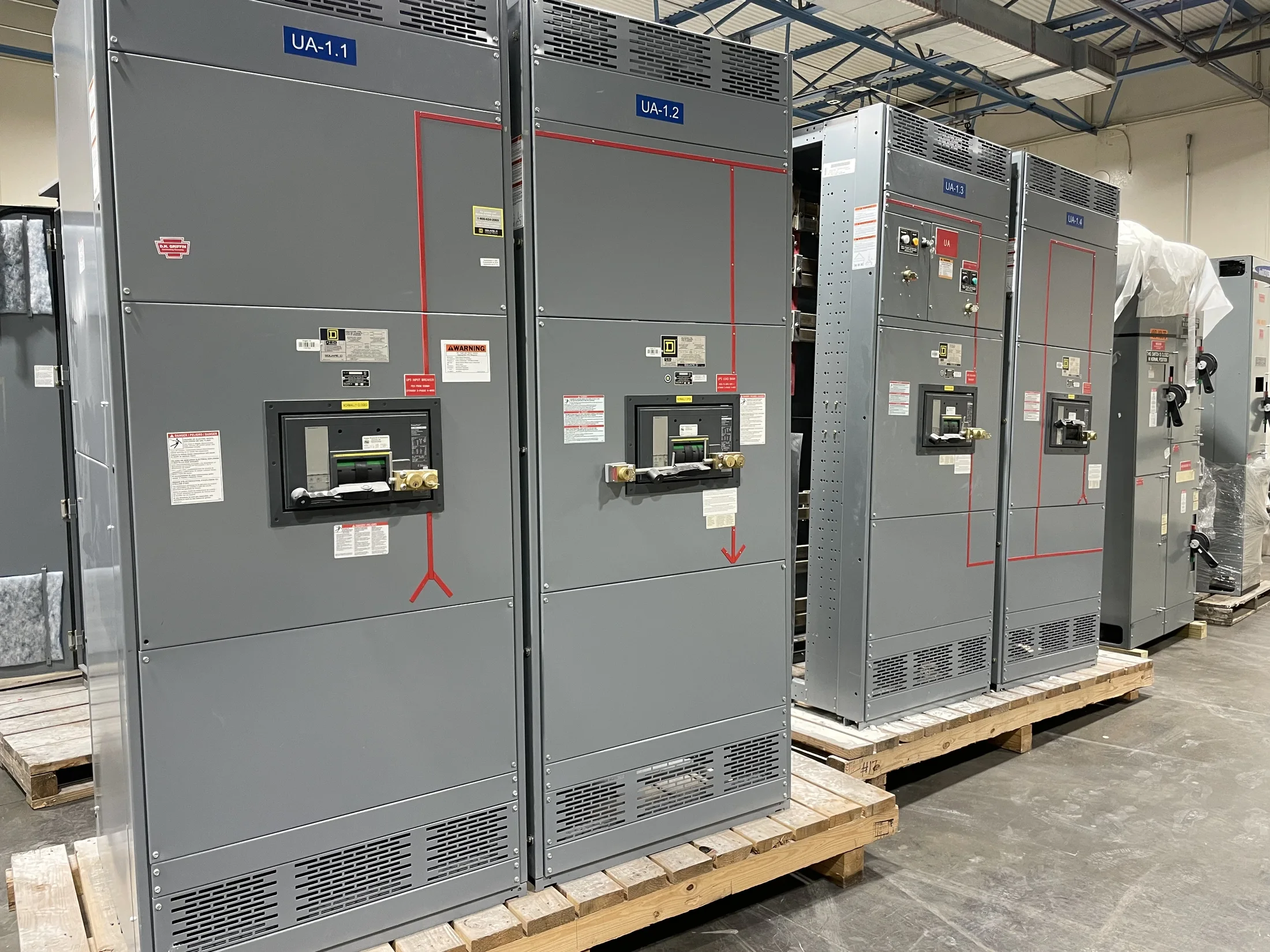
Identify whether the neutral bus belongs in a UL 891 switchboard, UL 1558 low-voltage switchgear, or a medium-voltage assembly. These are distinct equipment categories with different construction and application considerations; UL 891 applies to switchboards and does not cover medium- or high-voltage equipment. State the voltage class and intended use clearly.
Provide the project specification, equipment schedule, one-line diagram, and relevant drawings with the request for quotation. Include required system configuration, bus details, terminal information, enclosure arrangement, and any project-specific documentation or inspection needs. Applicable construction and listing details must be confirmed for the actual equipment design and cannot be inferred from a category name alone.
Prepare a Complete Quote Package
A useful quote package states the neutral rating or design basis, grounding scheme, bond location, isolation requirements, conductor quantities and sizes, terminal orientation, and incoming and outgoing cable directions. Include load information where available, especially nonlinear-load assumptions, plus source and transfer details that affect neutral current or grounding.
Our U.S. manufacturing team builds new switchgear and power distribution equipment with American components, offers custom fabrication, and ships nationwide. Send the drawings, specifications, delivery destination, and requested schedule for review. Final configuration, lead time, and equipment details are project-specific; have the responsible engineer verify the design and coordinate approvals before procurement.